
Borjomi town: the spa resort and a mountain base
Borjomi spa town in its wooded gorge: the mineral-water park, the Likani palace, the old railway and a base for Bakuriani and Borjomi-Kharagauli.
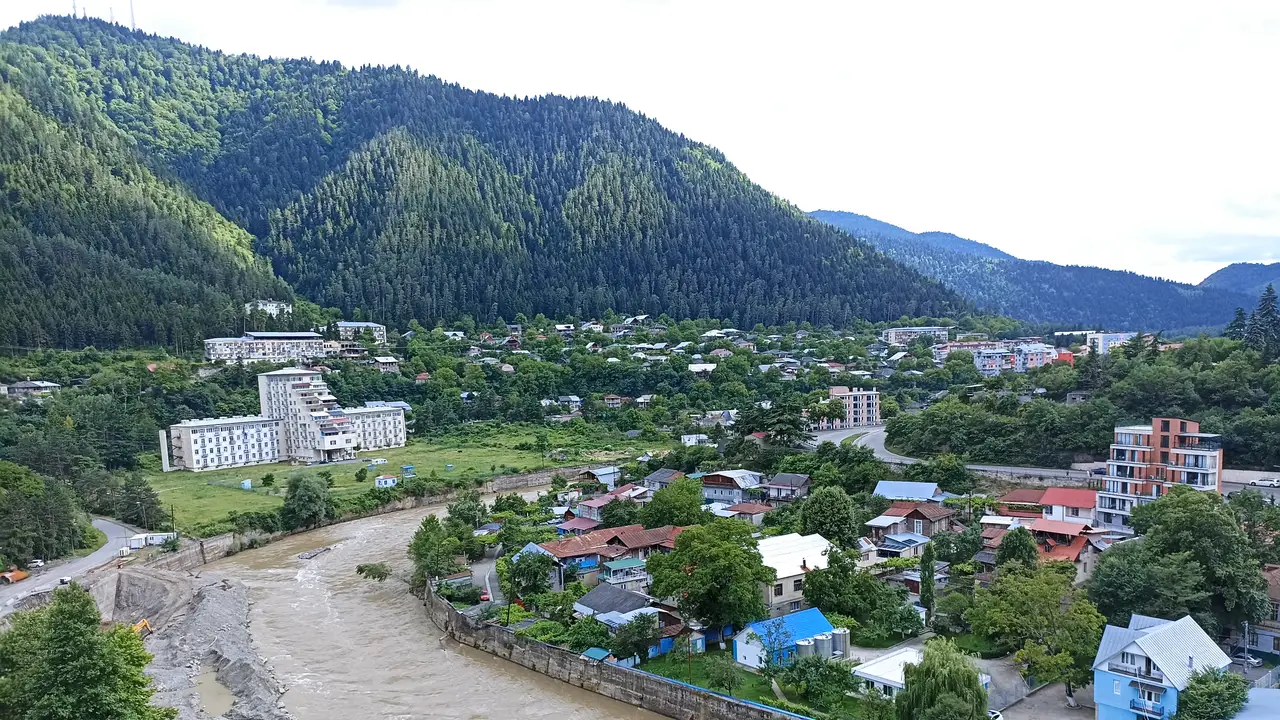
Borjomi is Georgia’s best-known spa town, strung out along the Mtkvari (Kura) river deep in a forested gorge in the Samtskhe-Javakheti region, about 160 km west of Tbilisi at around 800 metres. People come for the mineral water that wells up in the central park, for the cool pine air, and — increasingly — to use the town as a comfortable base for the mountains around it.
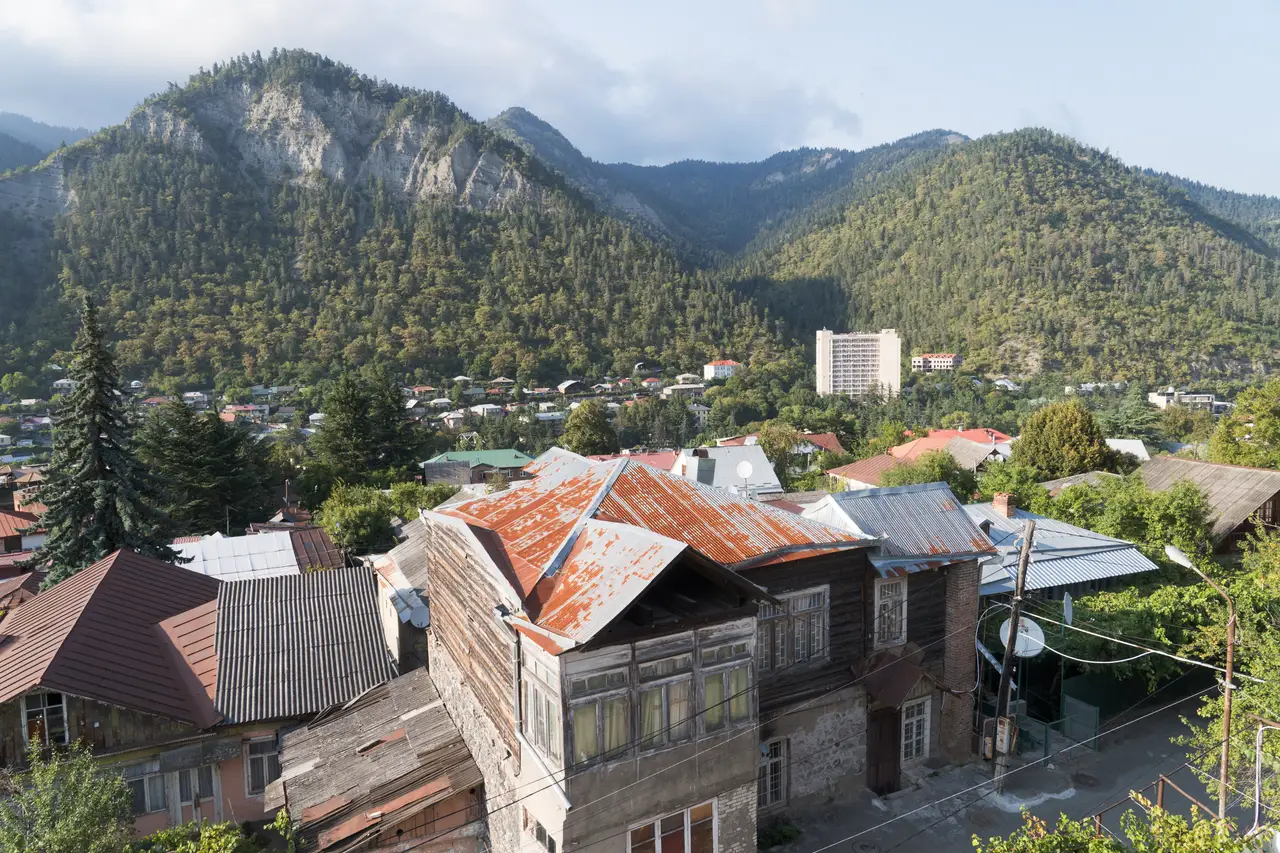
Getting there and getting around
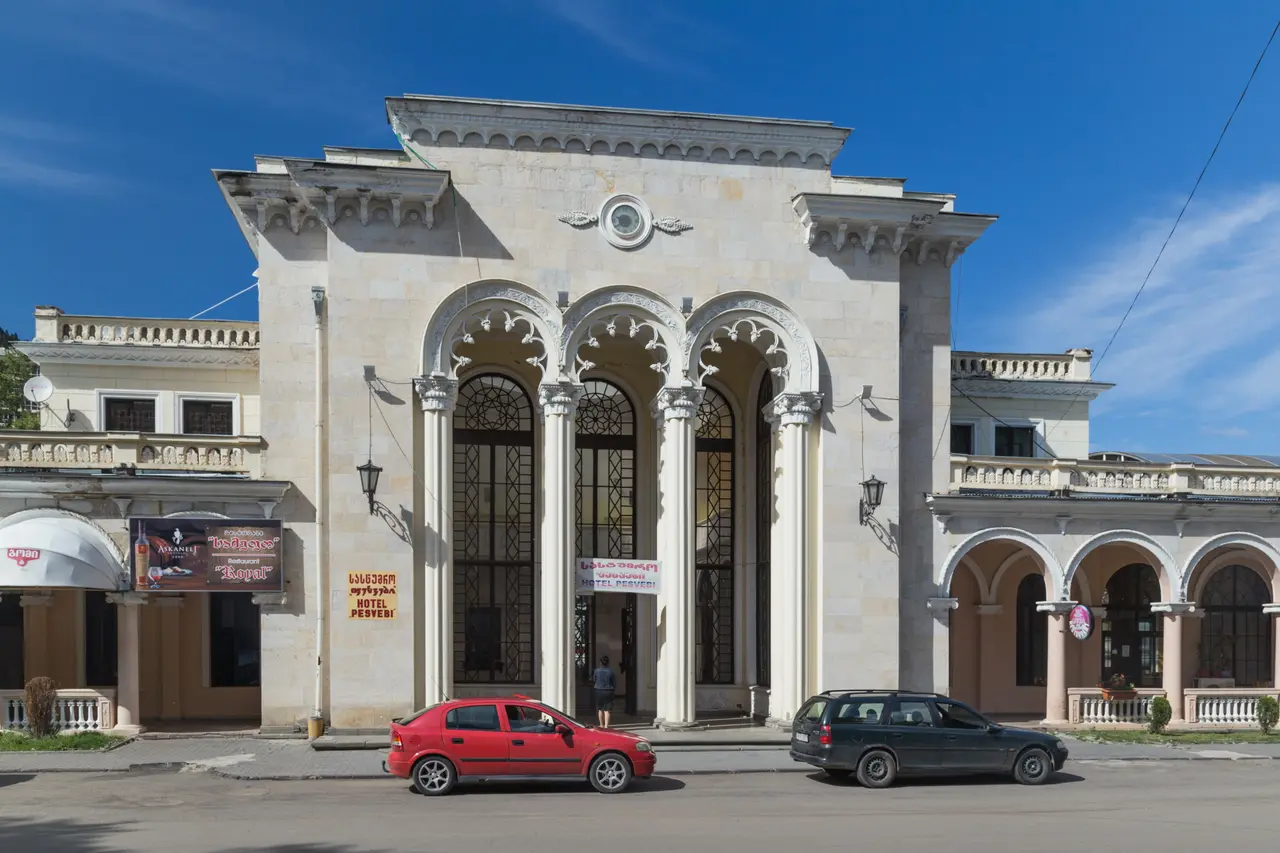
Borjomi is easy to reach: frequent marshrutkas and a direct train run from Tbilisi (about 2.5 hours), and it’s a straightforward drive. Trains pull in at the town’s ornate old station — a relic of the resort’s late-19th-century heyday. The town stretches along the river, so it helps to know which end you’re staying at: the park, the station and most cafés are in the centre, and Likani lies a little to the west.
Mineral water and the park
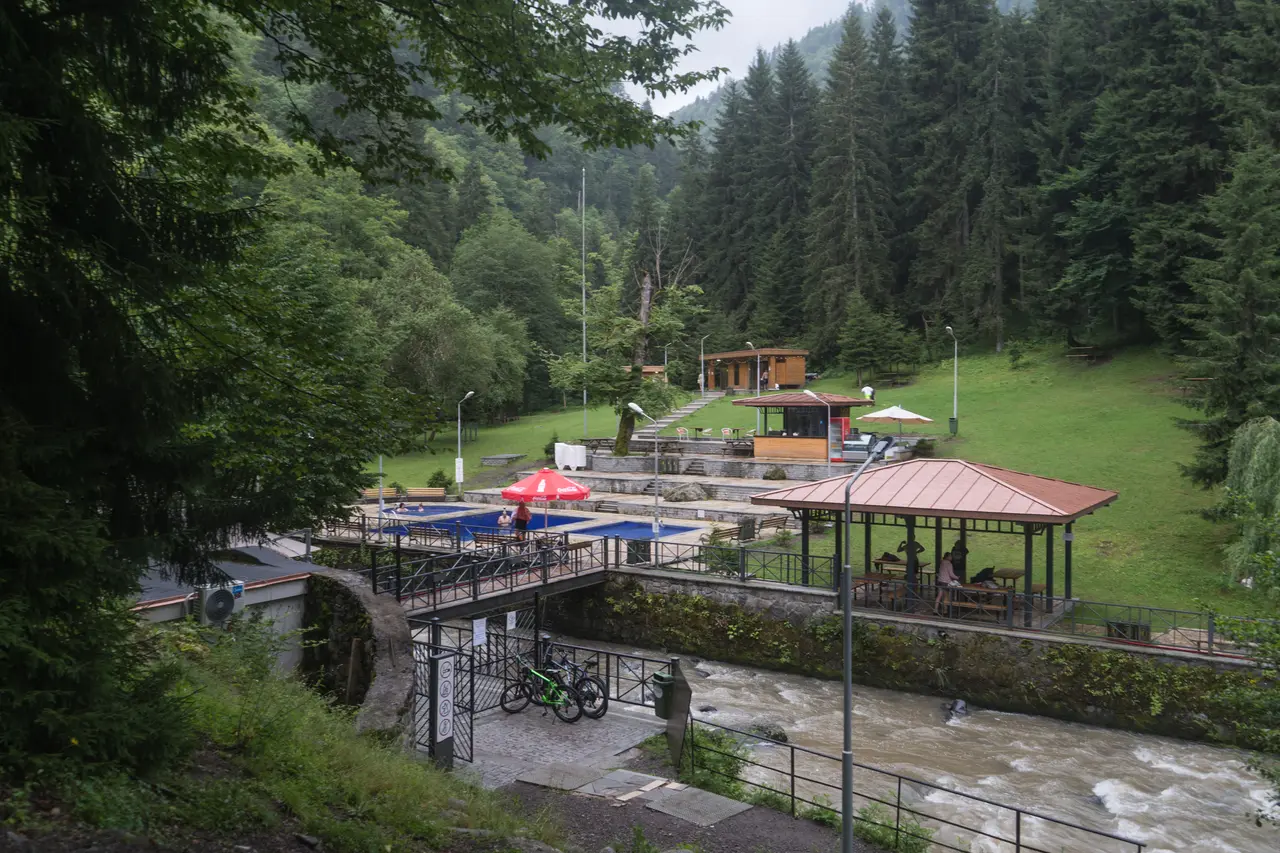
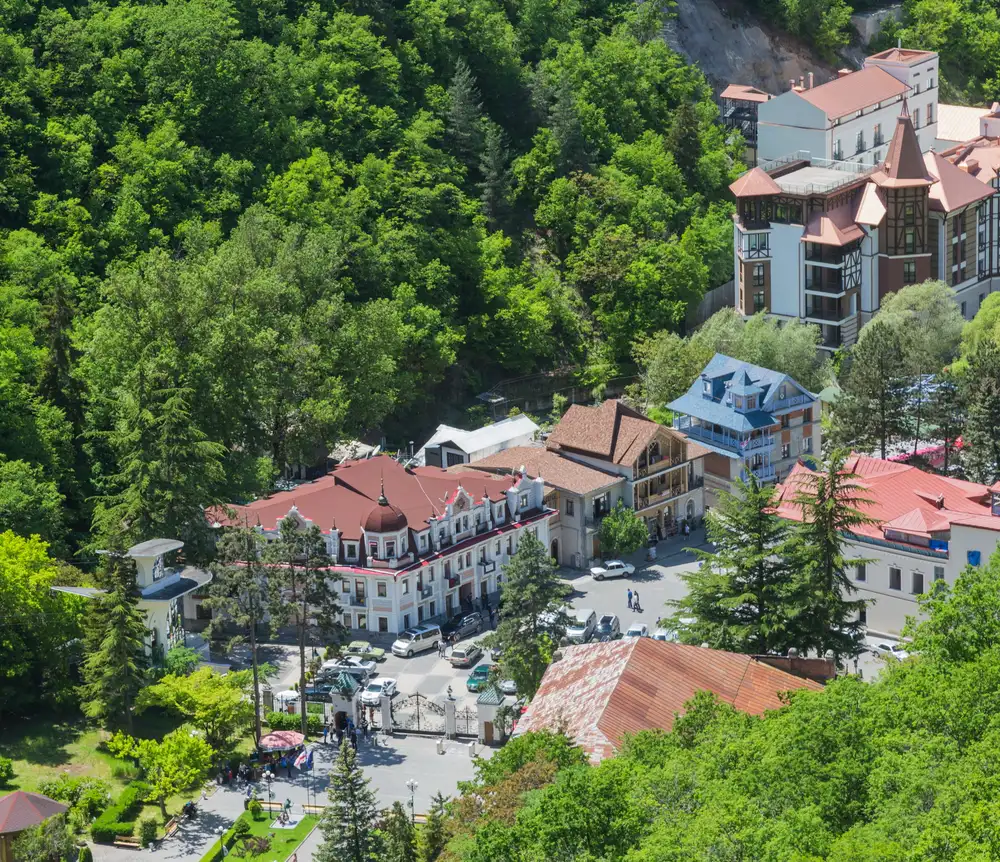
The heart of town is the central park, where warm, slightly salty mineral water flows from a drinking pavilion and a cable car lifts you to a viewpoint over the gorge — that side of Borjomi is covered in detail in our guide to the Borjomi park and its mineral waters. Further up the gorge, a forest path leads to open-air warm mineral pools where you can bathe among the trees.
The Romanov legacy: Likani
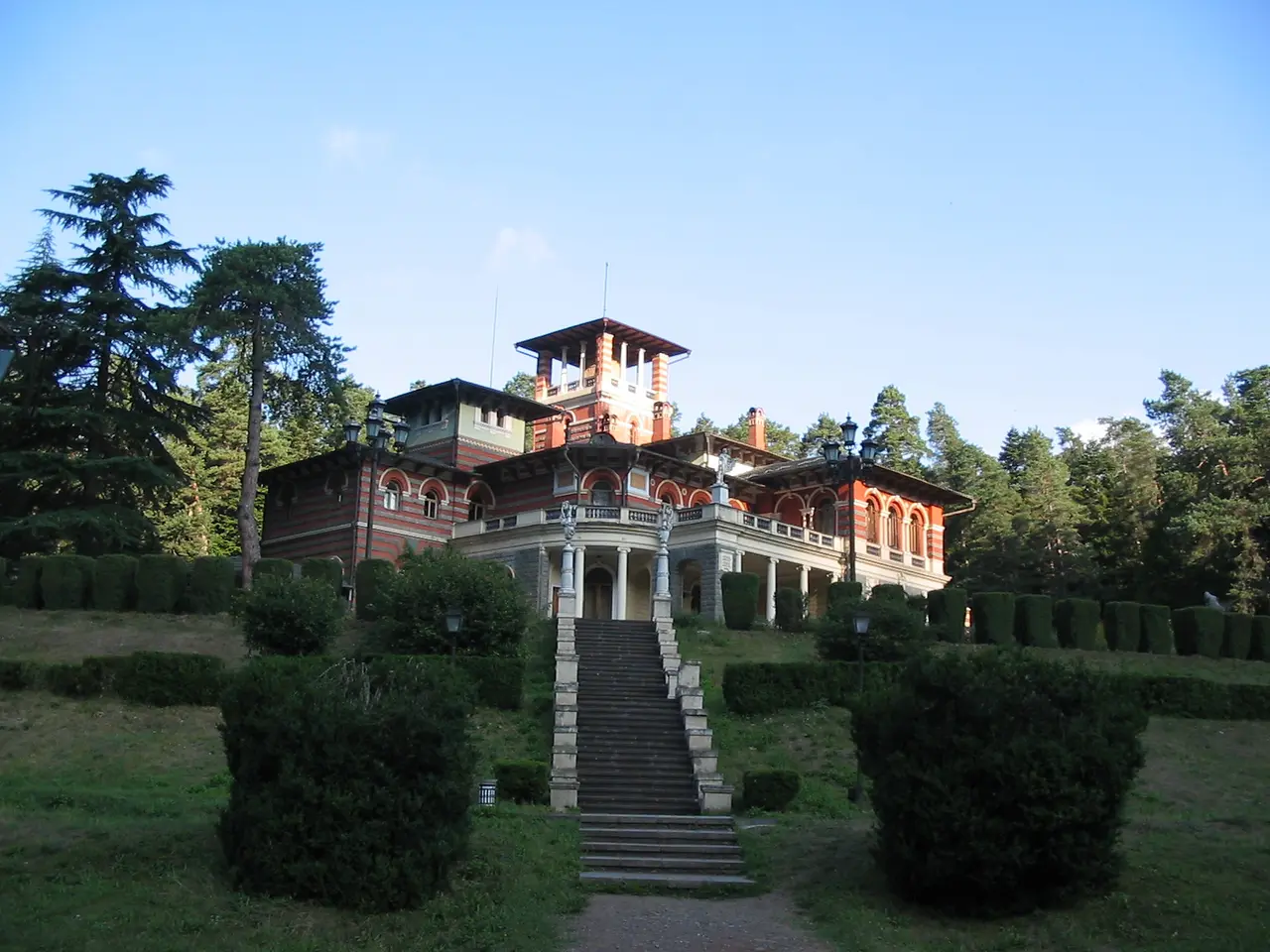
Borjomi became a fashionable resort under the Romanovs. In 1871 the estate passed to Grand Duke Mikhail Nikolaevich, and in the 1890s his son built a park and palace at Likani, just west of the town. After 1921 the grand houses became sanatoriums, and Borjomi stayed a popular resort throughout the Soviet years — which is why the gorge is still dotted with ornate spa buildings among the pines.
A base for the mountains
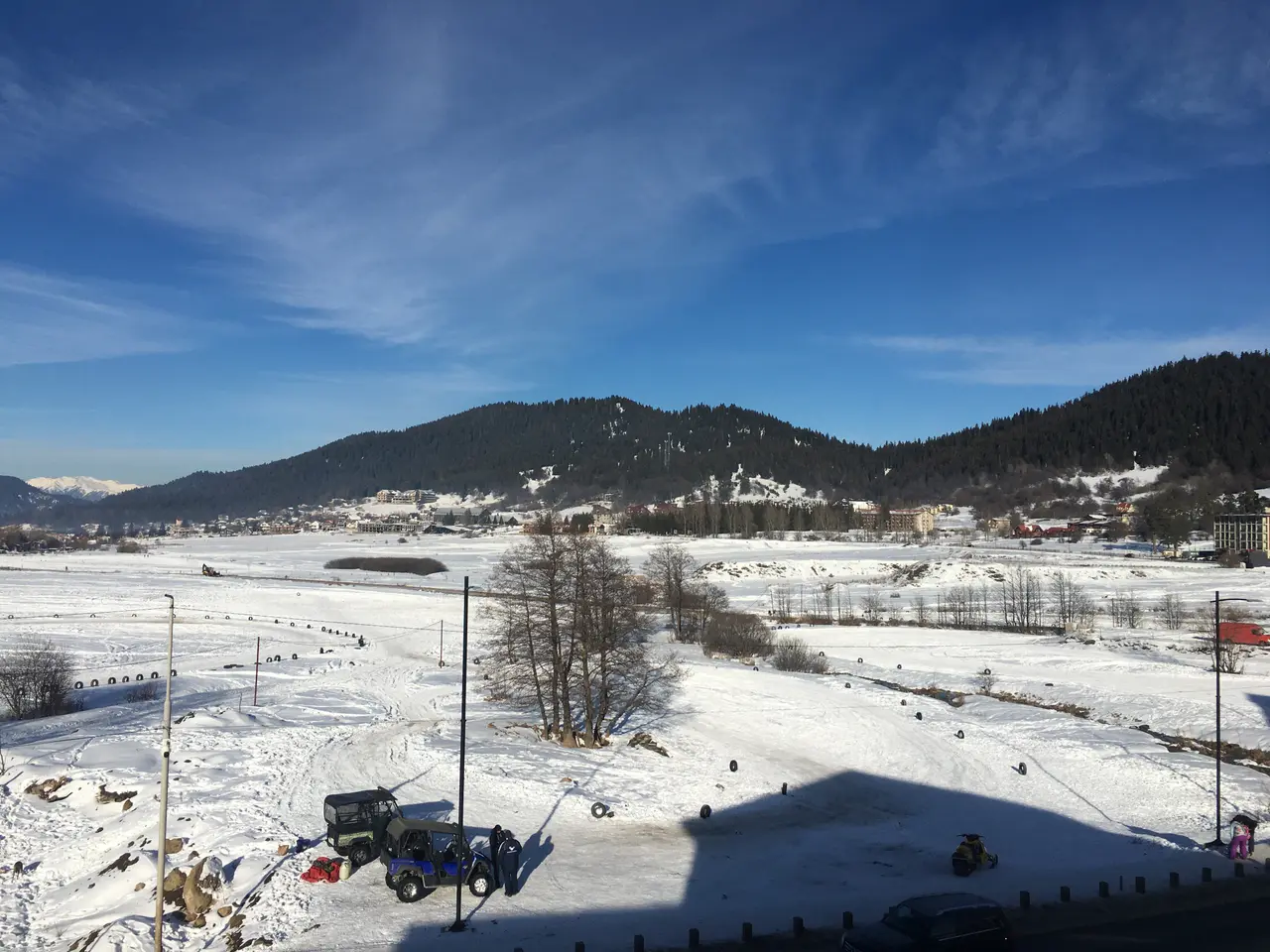
Borjomi works best as a base. A narrow-gauge mountain railway — the “Kukushka” — climbs slowly through the forest to the ski resort of Bakuriani, much higher up: in winter it’s Georgia’s family ski town, in summer a cool green escape. And at the eastern edge of town begins Borjomi-Kharagauli National Park, one of the largest in Georgia, laced with marked walking trails of varying length.
What to keep in mind
Borjomi sits in the mountains, so even in summer it’s noticeably cooler in the shade of the gorge than down on the plain — a light warm layer won’t go amiss. The mineral water from the park is traditionally drunk as a course of treatment, but it’s worth trying once simply for the experience: warm and faintly salty, it’s nothing like the chilled bottled version sold around the world.
Nearby
South of Borjomi, in Akhaltsikhe, stands the restored Rabati Castle, and further up the Mtkvari valley lies the cave town of Vardzia. For walking, head into Borjomi-Kharagauli National Park. The country’s other towns are in the cities section, and the full list of places is in things to see.
Photos
On the map
The map loads on click — to keep the page lightweight.
The map didn’t load. Check your connection and refresh the page.
Distance
- Tbilisi≈160 km · ~2.5 htrain, marshrutka or car
- Kutaisi≈175 km · ~3 happroximate
- Batumi≈290 km · ~5 happroximate
Read also
Batumi: what to see, where to eat, how to get there
 Verified · June 15, 2026
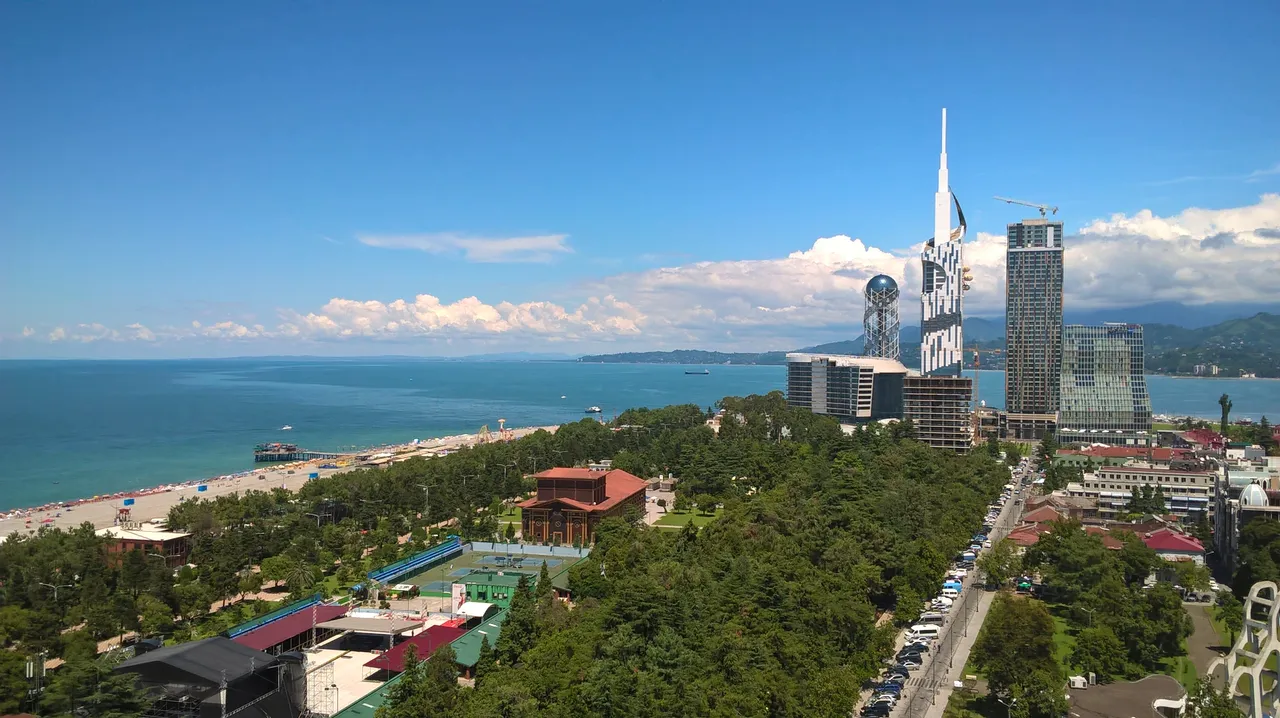
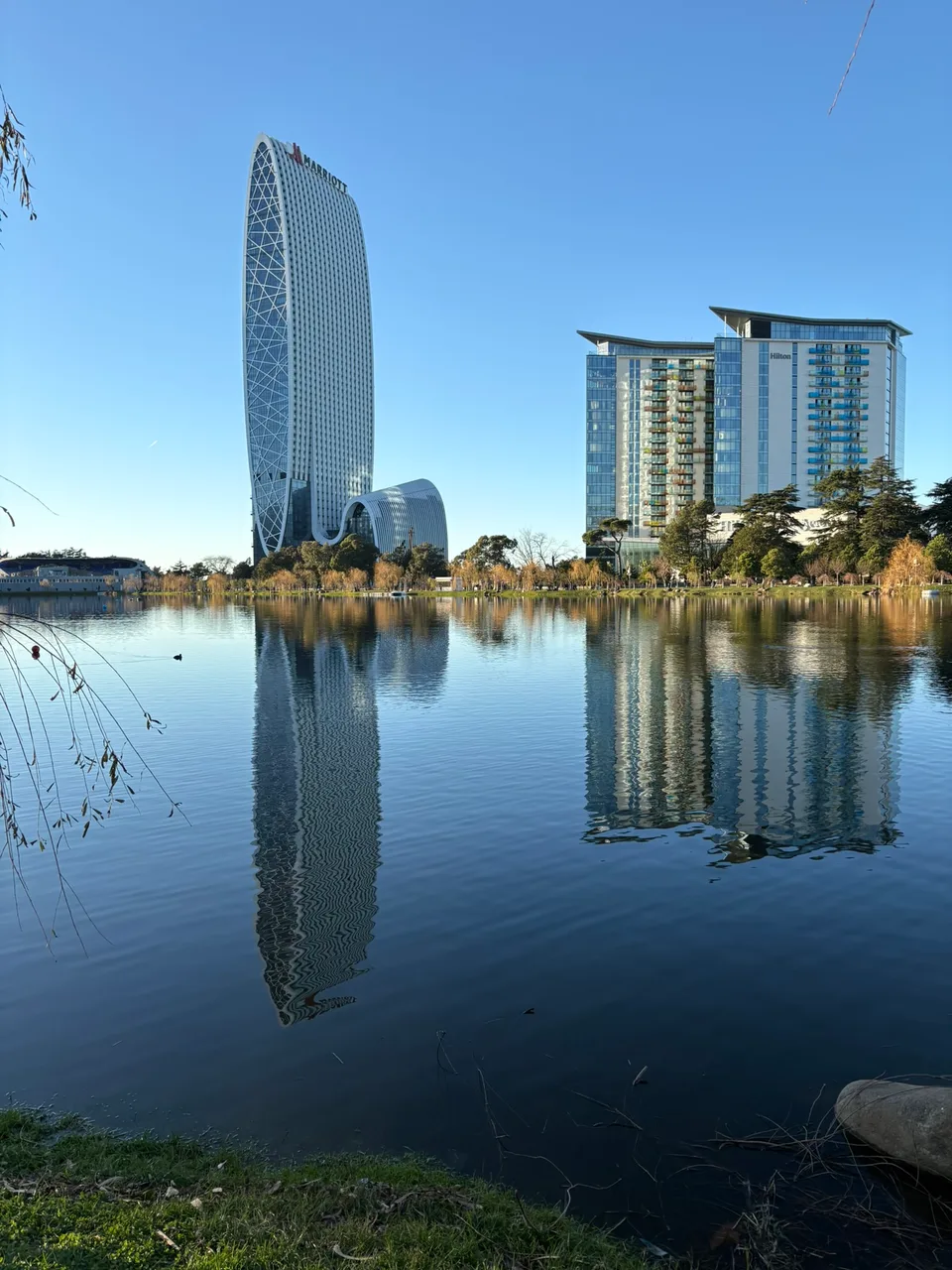
 Batumi — Adjara's capital and Georgia's Black Sea resort: the boulevard, Alphabet Tower, Ali and Nino, Piazza, skyscrapers and beaches.
Gori: what it offers and what to see
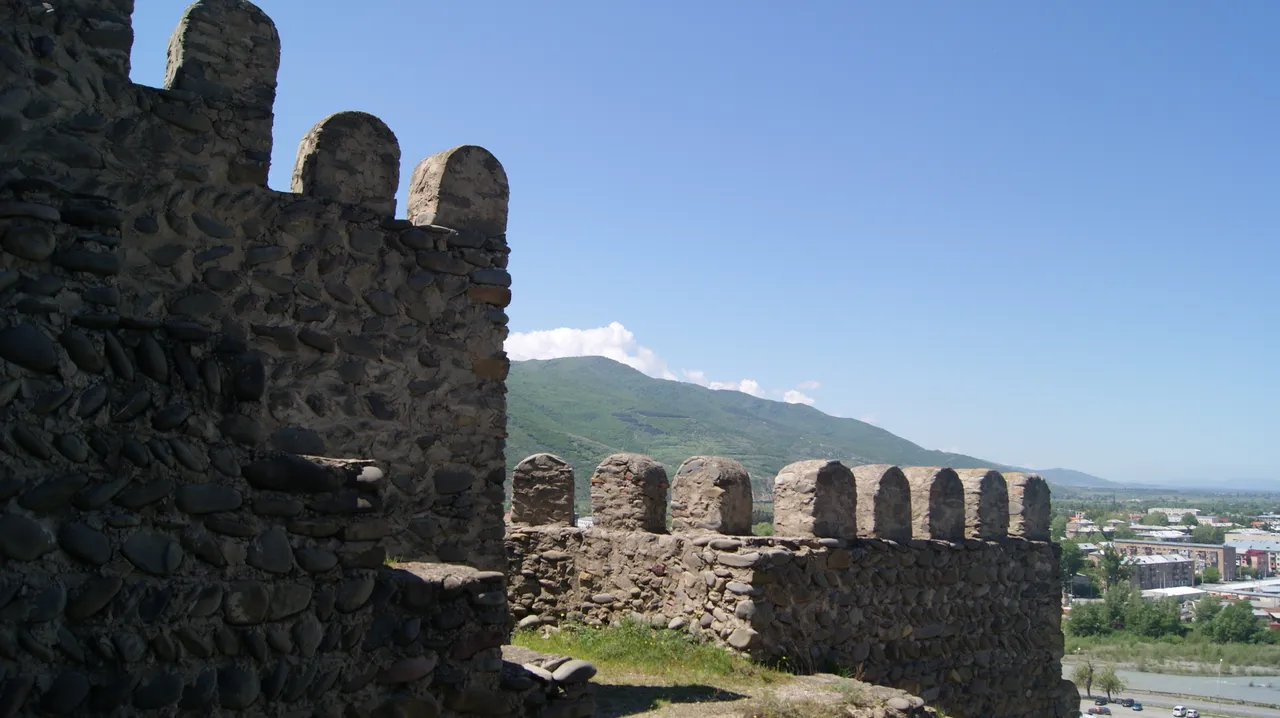
Updated · June 14, 2026Gori in Shida Kartli, where the Kura meets the Liakhvi: a hilltop fortress, the Stalin museum and the Uplistsikhe cave city nearby.
Kutaisi: what to see, where to eat, how to get there
 Verified · June 15, 2026
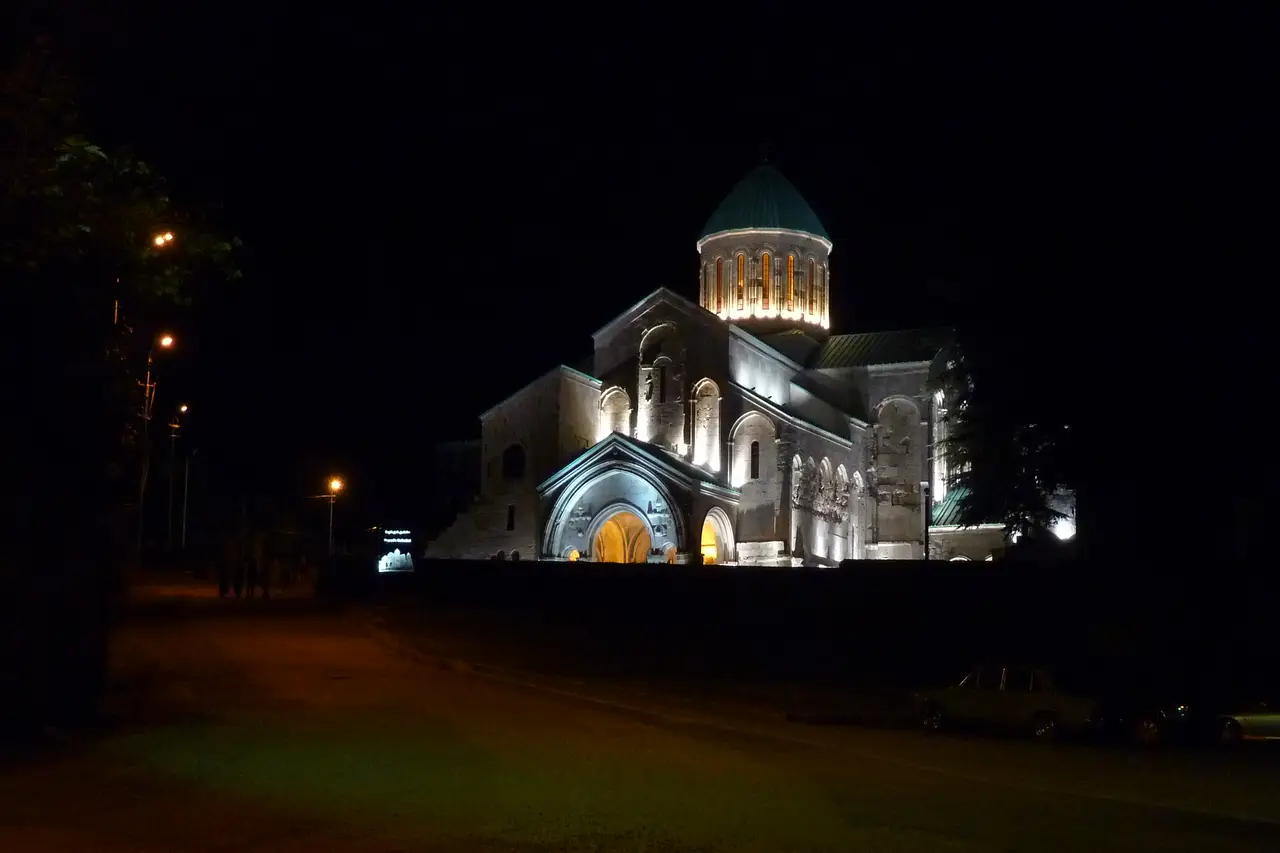
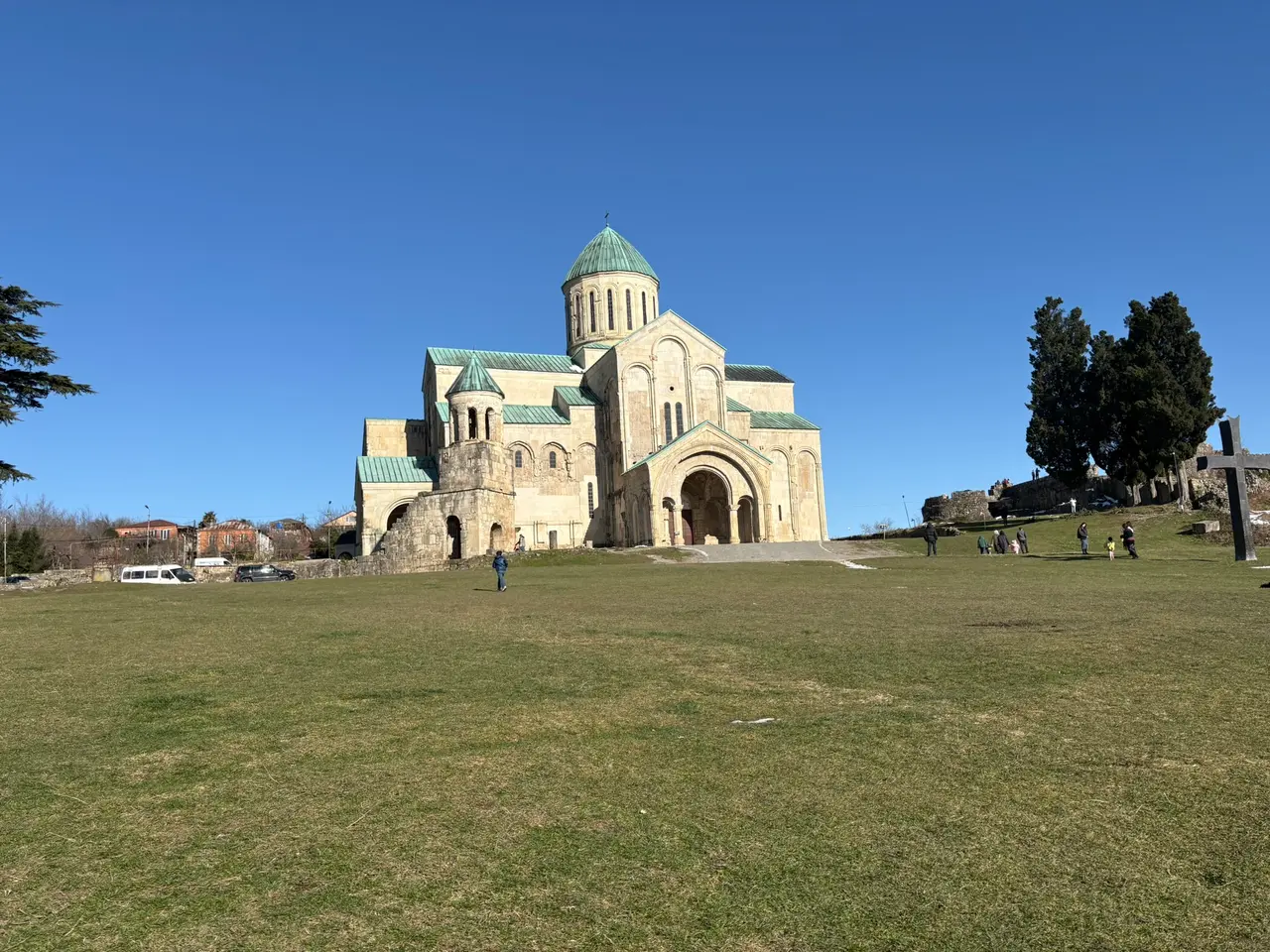
 Kutaisi — Georgia's third city and ancient capital of Colchis: Bagrati Cathedral, the Colchis Fountain, the Rioni. What to see in and around.
Mtskheta: what it offers and what to see
Updated · June 14, 2026Mtskheta — Georgia's ancient capital and spiritual centre, a UNESCO site: Svetitskhoveli and Jvari where the Kura and Aragvi meet. What to see.