
Opening a bank account in Georgia: how it works 2026
Opening a bank account in Georgia as a foreigner: the main banks, what you usually need, multi-currency accounts, and what to keep in mind.

A local bank account makes living in Georgia much easier: salaries and transfers, paying rent and utilities, a card for everyday spending and a multi-currency balance. Opening one as a foreigner is common and usually quick, but the exact requirements are set by each bank and have tightened in recent years — so treat this as an overview and confirm the current rules at the branch.
The main banks
The two largest retail banks are Bank of Georgia and TBC — both have English-language apps, wide branch and ATM networks, and the most experience with foreign clients. Liberty Bank has the broadest rural network, and there are smaller banks too. For day-to-day life most newcomers choose Bank of Georgia or TBC for the app and support.
What you usually need
- Your passport (and often a second ID document).
- Sometimes a local phone number for the app and one-time codes — see our SIM and internet guide.
- Depending on the bank and your nationality, additional paperwork or a short compliance check; occasionally proof of address or the purpose of the account.
Requirements vary by branch and change over time — ask ahead in the app chat or by phone before you go, and bring more documents rather than fewer.
Accounts, cards and apps
Accounts are typically multi-currency (GEL, USD, EUR and more in one profile), handy if you earn in one currency and spend in lari. You get a debit card, and the apps handle transfers, currency exchange, utility payments and standing orders. International transfers (SWIFT) and services like Wise work with Georgian accounts, though incoming compliance checks can add a day or two.
What to keep in mind
- Rules change. Account opening for some nationalities has become stricter — don’t rely on old chat advice; confirm the current terms with the bank itself.
- Keep some cash. Georgia is increasingly card-friendly, but small cafés, markets and taxis often prefer cash.
- Exchange in the app or at licensed kiosks, not at random street stands.
Once you have a number and an account, the rest of settling in is easier: see the full relocation guide, long-term rental, and the mandatory travel insurance needed to enter the country.
Read also

Long-term rental in Georgia: how to find a flat
Updated · June 16, 2026Renting long-term in Georgia: where to look, typical deposits and contracts, what’s usually included, agent fees and seasonal prices by city.
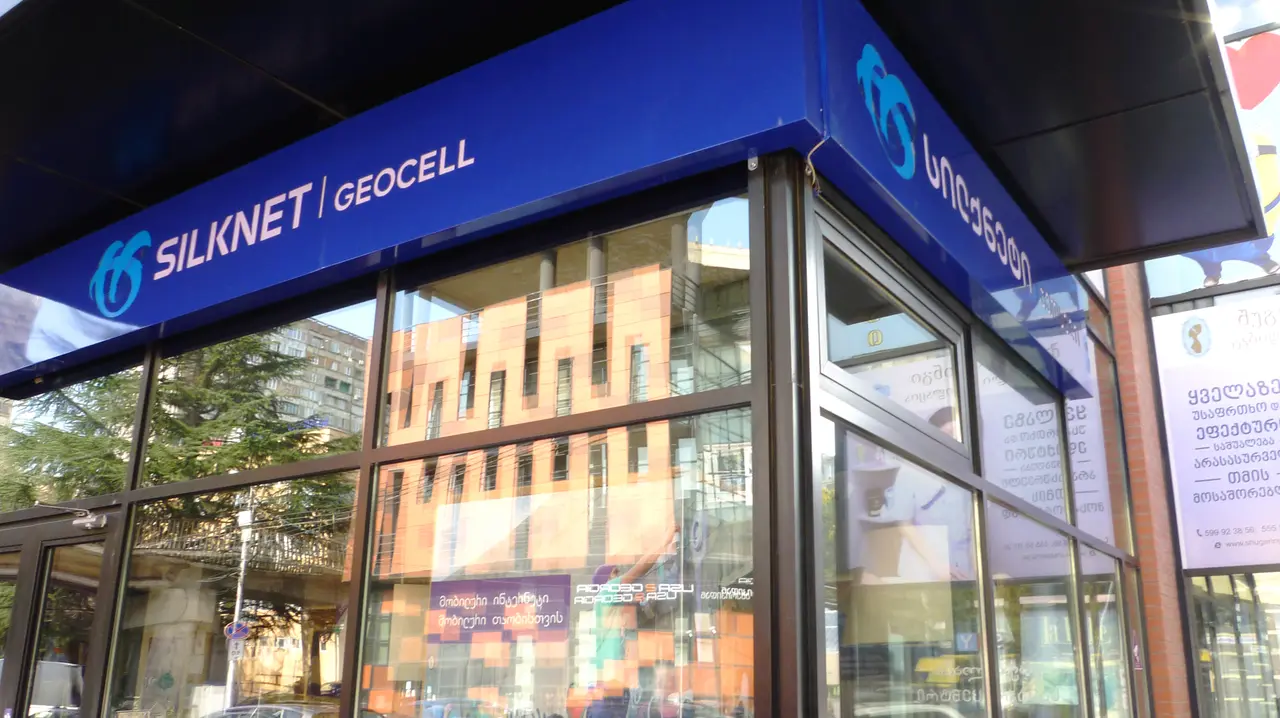
SIM cards and internet in Georgia: staying connected
Updated · June 16, 2026SIM cards and home internet in Georgia: the mobile operators, where to buy a SIM, tourist vs local plans, eSIM, and fast home fibre.

Tbilisi–Batumi flights: Georgian Airways from June 25
Updated · June 19, 2026From June 25, 2026 Georgian Airways flies Tbilisi–Batumi four times a week, 45 minutes in the air. Days, schedule and how to book a ticket.
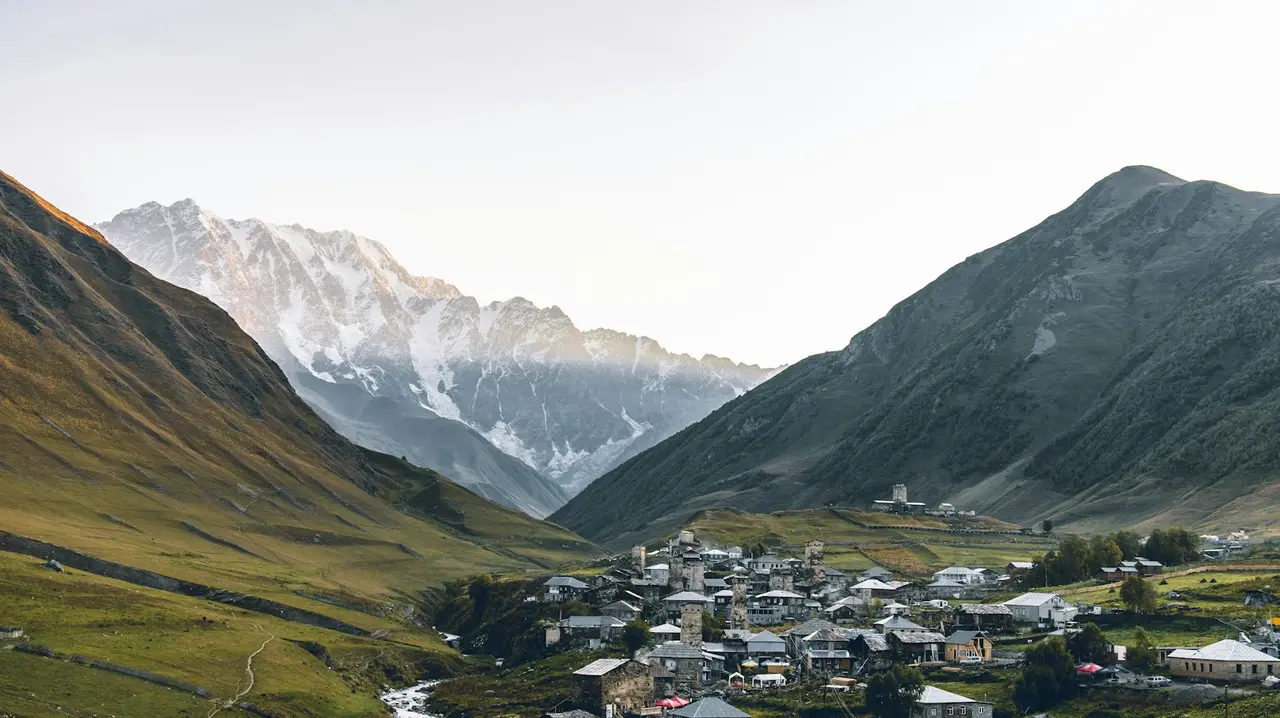
Best time to visit Georgia: seasons & weather
Updated · June 19, 2026The best time to visit Georgia by season — weather, crowds and prices across spring, summer, autumn and winter, plus beaches, skiing and wine.