
Georgia Rental Car Insurance 2026: CDW, Excess, Borders
What a Georgia rental car actually insures: CDW and its gaps, deposit vs excess, and what changes if you drive it into Armenia or Azerbaijan.
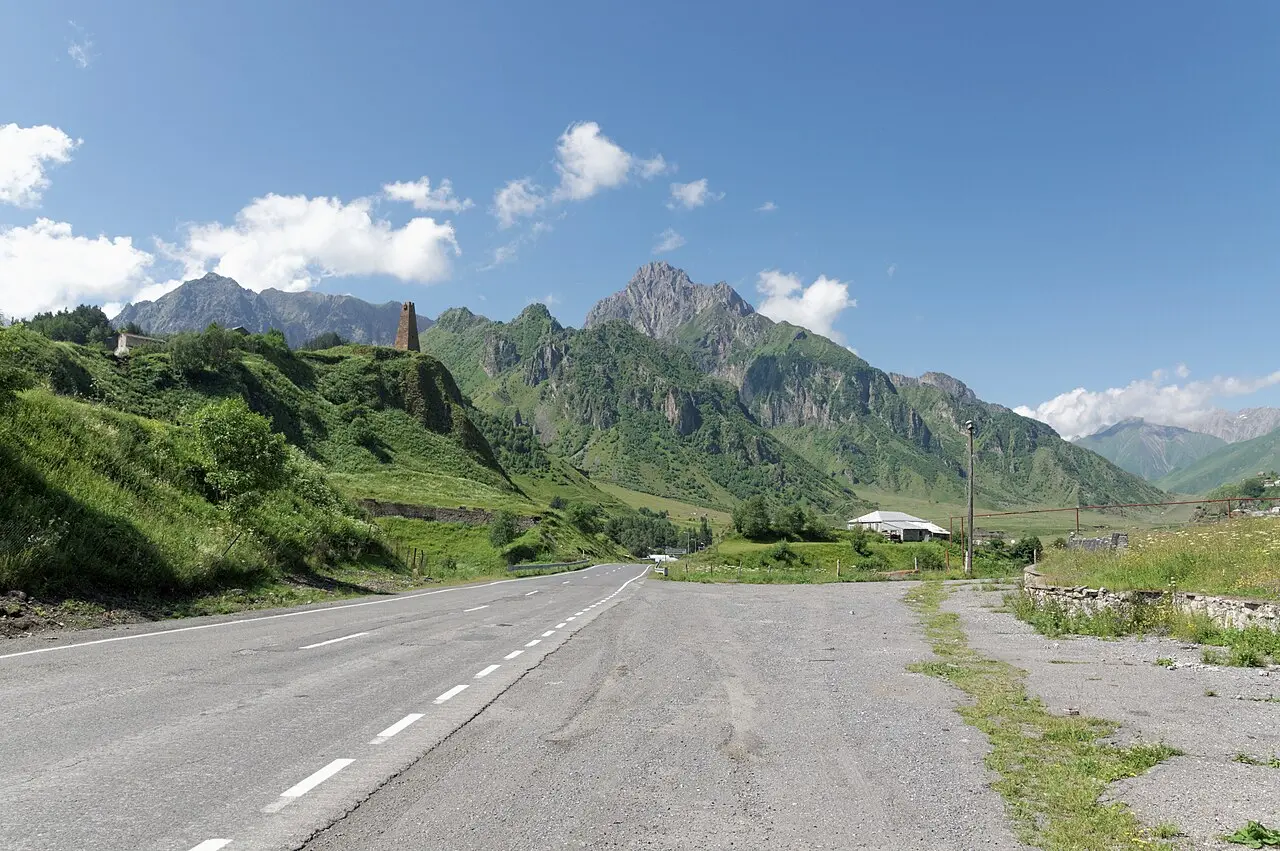
A Georgian rental comes with Collision Damage Waiver and usually theft protection built into the price, but that’s a liability cap, not full cover: you’re still on the hook for an excess that commonly runs $100 to $600 depending on the operator, and the waiver stops dead at tyres, glass, the undercarriage and anything driven on an unpaved road. Take the same car into Armenia and the insurance stops at the border too, quite literally - Georgia isn’t part of the international Green Card system, so you buy separate liability cover on the Armenian side. Azerbaijan is a different problem right now: its land border has been closed to ordinary travelers since 2020, so driving a rental car across it isn’t currently something you can plan around.
Heads-up. Insurance terms vary by rental company and change over time. Everything below was checked in early August 2026 and is general orientation, not advice on a specific policy or contract. Read your own rental agreement before relying on anything here, and confirm current border and insurance rules directly with the rental company and the official sources listed at the foot of the page.
What your rental price already covers
Every Georgian rental bundles in Collision Damage Waiver (CDW, sometimes called a damage waiver) and usually Theft Protection (TP). Together they cap what you owe if the car is damaged or stolen, rather than leaving you liable for the full repair bill. Hertz’s own Georgia office states plainly that its standard package covers CDW, TP and windscreen and wheel loss, with the renter’s maximum exposure running $300 to $600 depending on the vehicle category. Smaller operators booked through marketplaces such as Localrent work on the same principle, though the numbers move around more between listings: some carry no deposit at all, others ask for a few hundred dollars in cash rather than a card hold.
What CDW isn’t is an insurance policy you own. It’s the rental company agreeing to waive most of its right to bill you for damage to its own car, above an amount it keeps for itself. That amount, the excess, is the figure worth comparing between offers - not the headline daily rate.
Deposit and excess are not the same number
Two figures get mixed up constantly, and the desk rarely slows down to untangle them.
The deposit is a hold on your card, released once the car comes back undamaged. Georgia’s international brands lean on this: Hertz’s listings put the deposit at roughly $600 to $800 depending on category, and Localrent’s own terms are explicit that many bookings require “a mandatory physical embossed credit card in the name of the main driver” - a plain, non-embossed debit card is often turned away at the counter.
The excess is what you actually lose if something happens to the car. At Hertz Georgia it is the same $300-600 the company itself publishes as the liability cap. Among the smaller local operators that make up most of Localrent’s marketplace, the range is wider and far less standardized: cash deposits of roughly $200-300 are common, a genuine zero-excess listing turns up occasionally, and a bigger or pricier car can push the number into four figures. There’s no single “Georgia number” the way there might be for a market with two or three dominant national chains. The honest approach is to read the excess line on the actual contract in front of you, not a figure quoted on a review site.
What standard cover leaves out
Localrent’s own terms put it in one plain sentence: “Standard insurance does not cover damages to wheels, undercarriage, windscreen, and interior of the car.” That pattern holds across operators, and a few extra clauses are worth knowing before you sign anything:
- Tyres, wheels and the undercarriage - kerbs and rough tracks are the most common tourist claim.
- Windscreen and glass - gravel roads and highway stone chips both count.
- The interior - spills, tears, burns and anything beyond normal wear.
- Driving on an unpaved or “prohibited” road - Localrent’s contract voids cover for routes closed “due to the emergency condition of the road surface,” and Georgia has plenty of these once you leave the highway: the track into Tusheti over the Abano Pass and the road to Ushguli in Svaneti are the two tourists hit most often. If a mountain route like Svaneti: Mestia and Ushguli is on your list, ask specifically whether your rate covers it.
- Intentional damage, vandalism or neglect, and failing to report an incident to the police immediately, which can void cover entirely regardless of who was at fault.
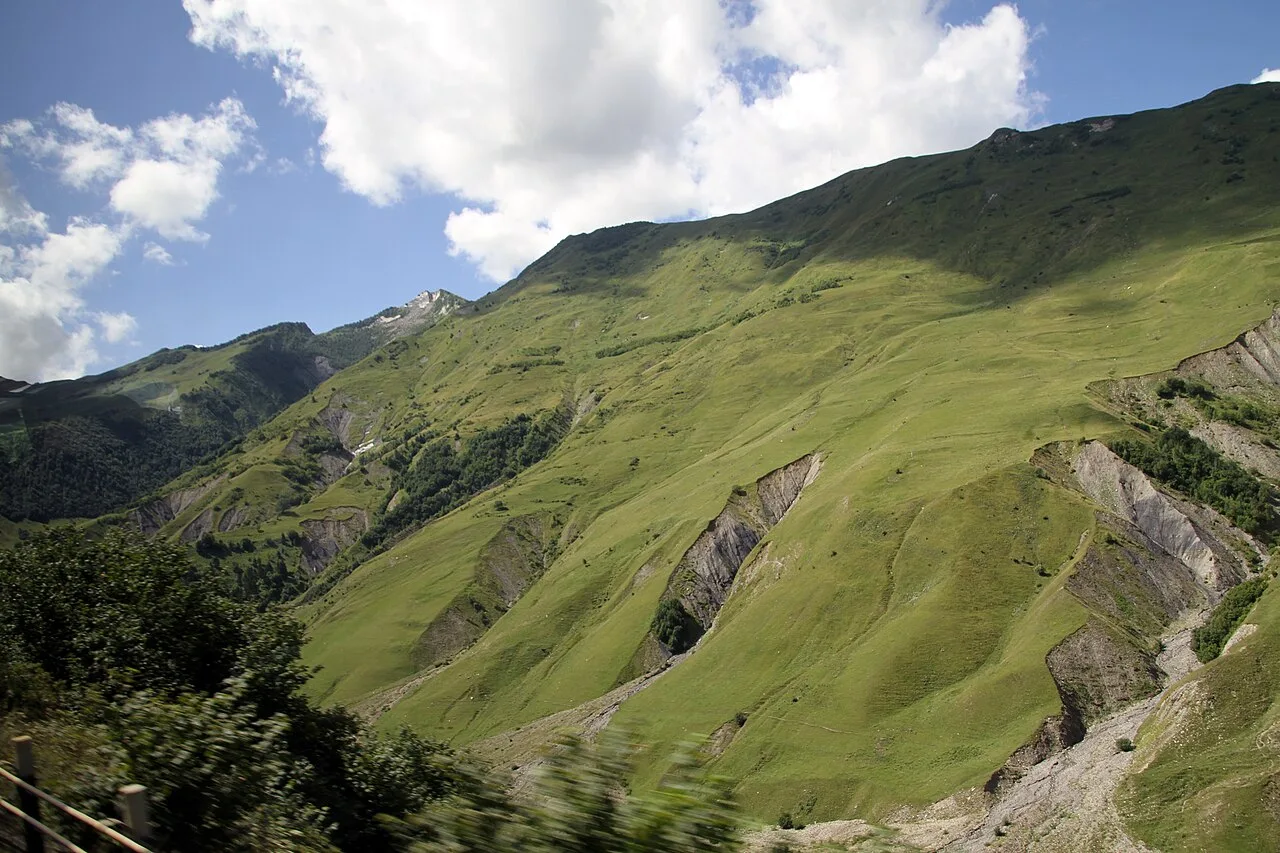
Closing the gap: the desk upgrade or a policy bought online
There are two ways to shrink that excess, and they work differently. The rental company’s own upgrade, sold at the desk as full cover or zero excess, folds the extra protection into the same contract. It’s simple: damage the car and there’s nothing to pay. It’s also sold to you after a flight, at a queue, at the company’s own margin.
A standalone excess-waiver policy bought online in advance, from a third-party insurer rather than the rental company, is usually cheaper for similar protection and works by reimbursement: you pay the excess to the rental company if something happens, then claim it back with the contract and the damage report. For Georgia specifically, treat this option with more caution than usual. Checking a well-known provider’s own Georgia-branded page turned up figures that plainly belonged to Georgia the US state, not the country - a real mix-up on the insurer’s own marketing page, not a rumor. Another major standalone insurer’s stated “Europe” zone doesn’t list Georgia at all, meaning only its pricier worldwide tier would apply. Before buying any third-party excess cover for a Georgia rental, contact the insurer directly and get it confirmed in writing that Georgia the Caucasus country is covered under your specific policy, rather than trusting an auto-generated country page.
Why there is no Green Card on a Georgian rental
The Green Card system lets a car’s own liability insurance be recognized automatically across the borders of member countries. Georgia isn’t a member - the Insurance Bureau of Azerbaijan’s own member list doesn’t include it, and the reason is structural rather than bureaucratic: Georgia repealed its compulsory motor third-party liability law on 15 January 2010, and third-party cover has been voluntary ever since. Uptake stayed marginal for years, and as of official figures for September 2025, only around 8% of Georgia’s 1.9 million registered vehicles carried any insurance at all. The government approved a legislative plan on 30 January 2026 to reintroduce compulsory coverage, but as of the date this page was checked it hadn’t yet been passed into law - worth a fresh check if you’re reading this later in the year.
Armenia is in the same position, listed only as a Green Card candidate. Azerbaijan, oddly, is a full member since 2016 - which matters less than it sounds, for reasons the next section covers.
Practically, this means a Georgian rental car carries no internationally recognized proof of liability cover to show at any land border. Whatever the CDW on your contract protects, it stops being relevant the moment you leave the country, and every neighboring border runs its own separate insurance requirement instead.
Taking the car into Armenia
StarCar, a Tbilisi rental operator, states the point without hedging: “Georgian insurance does not apply outside Georgia” and “Georgian coverage ends at the Georgian border.” Crossing legally takes two separate steps, neither of which is automatic.
First, get the rental company’s written permission before you leave the lot. Localrent’s general terms flatly state that “driving a rental car across the country borders is not allowed” - that’s the default answer, not a universal rule, because individual operators sell an exception. Enterprise Georgia, for one, charges a one-time $80 cross-border authorization fee and issues authorization papers you show at the crossing. Hertz Georgia requires the same kind of written sign-off from staff. StarCar asks for the request at least a week before pickup. Ask your specific operator; don’t assume from a generic contract.
Second, buy Armenian insurance at the border. Enterprise describes kiosks roughly 100 metres past the checkpoint selling mandatory third-party liability cover priced by duration, citing around $8 as a week’s worth for scaling the cost. Treat that as a per-week reference point rather than a guarantee you can buy exactly seven days: Armenia’s own MTPL guidance puts the practical minimum contract term for a temporarily imported vehicle closer to 10 days, so budget for that stretch of cover instead. Coming back into Georgia works the same way in reverse, through the Georgian equivalent at tpl.ge.
The main crossing is Sadakhlo-Bagratashen, about 80km south of Tbilisi, open 24 hours with a typical wait of 30-60 minutes; Ninotsminda-Bagratashen further west sees far less traffic. The direct Tbilisi-Yerevan run covers roughly 280km and takes 4-5 hours including the border.
Azerbaijan is not a driving question right now
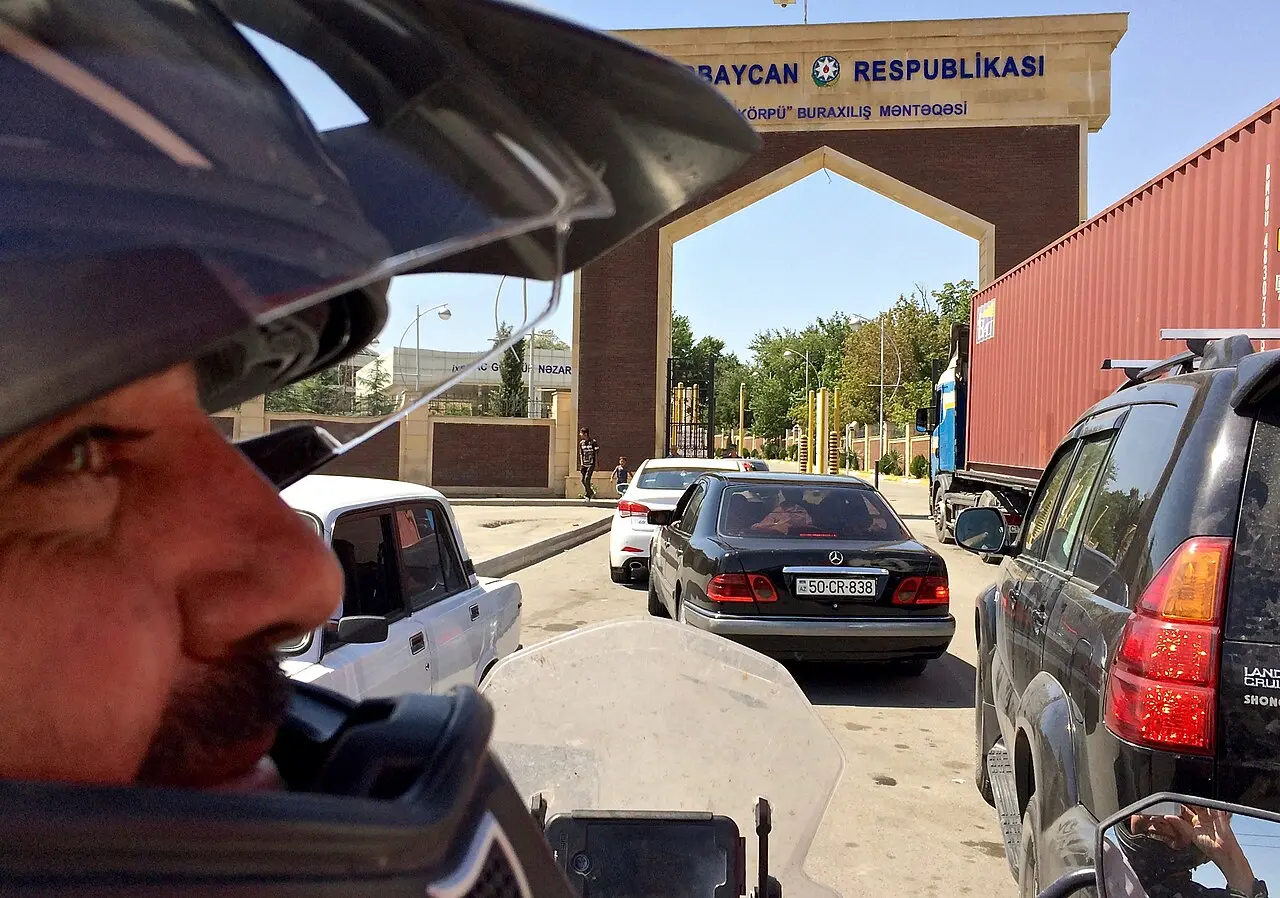
This is the part most guides get wrong by being out of date. Azerbaijan’s land border has been closed to ordinary foreign travelers since 2020, and air travel has been the only realistic way in or out. As of the reporting checked for this page, Azerbaijan remained the only country in the world still enforcing a pandemic-era land border closure at this scale. A single exception opened on 26 May 2026: passenger rail service between Tbilisi and Baku resumed, framed by Baku as a humanitarian gesture for separated families. That’s a train, not a road crossing, and it does nothing for a rental car.
So for now, the practical answer is straightforward: you can’t drive a Georgian rental into Azerbaijan, because you can’t drive any ordinary vehicle into Azerbaijan by land at all. If that changes, the insurance mechanics would resemble Armenia’s, only stricter - Azerbaijan’s own compulsory insurance bureau states that a vehicle needs either a recognized Green Card or locally bought border insurance to enter at all, and several sources describe major international chains simply forbidding the crossing outright. The Green Card irony stands regardless: Azerbaijan has been a full member of that system since 2016, while Georgia, the country whose plates would be crossing in, is not - so there would be no Green Card for a Georgian rental to present in the first place.
This is not your travel insurance
CDW and theft protection cover the vehicle and the rental company’s own loss. They do nothing for you: a hospital visit after a crash, evacuation from a mountain road, a cancelled flight, your own bag. That’s a completely separate product, and Georgia has had its own entry requirement for it since 1 January 2026 - covered in full in mandatory travel insurance for Georgia entry 2026, with the broader how to choose travel insurance for Georgia guide if you haven’t arranged a policy yet. Buy both. Neither substitutes for the other, and mixing them up is the single most common mistake in this whole area.
Before you drive off
- Film the whole car at pickup - every panel, the wheels, the roof, the interior - with a timestamp, and repeat it at drop-off. This one habit resolves most disputes before they start.
- Get any existing scratch or dent written into the contract, not just pointed out verbally.
- Read the excess figure on the agreement itself, not the number on the booking page - they differ more often than they should.
- Bring a real, physical credit card in the main driver’s name with enough headroom for the deposit hold on top of ordinary spending.
- Get border permission in writing before you leave the lot if Armenia is on the itinerary, even though the border itself asks for nothing but the Armenian policy you buy there.
- Carry an International Driving Permit if your licence isn’t in Latin script - it’s not strictly required for a rental, but it’s one less thing to explain at a police stop or after an accident.
The wider mechanics of renting here - documents, age limits, where to pick up a car - are covered in renting a car in Georgia, and the no-deposit route has its own catches worth reading in renting with no deposit. The car rental section has the rest.
This guide is informational, not insurance, legal or financial advice. Coverage, exclusions, excess amounts and border requirements vary by company and change over time. Figures here were checked on 2 August 2026 against the sources listed above - confirm the current position with your rental company and insurer before you travel.
Read also

Insurance · 9 min read
Georgia Travel Insurance 2026: Entry Requirement
Verified · August 20, 2026Georgia entry insurance rule 2026: every tourist needs health and accident cover from 30,000 GEL. Who is exempt, what it must cover and where to buy.

Insurance · 10 min read
Travel Insurance for Georgia: How to Choose
Verified · August 9, 2026How to choose travel insurance for Georgia: coverage, deductible, trekking and skiing as a separate risk, and what to do if you need to file a claim.

Entertainment · 11 min read
Tbilisoba 2026: 3-4 October, Five Venues and What's On
Verified · September 24, 20263-4 October (Sat-Sun), free entry: Tbilisoba 2026 is at Rike Park, Orbeliani and Gudiashvili squares, Leghvtakhevi, Europe Square and Metekhi Bridge.

Transport · 11 min read
Trains in Georgia: routes, tickets, express
Updated · September 13, 2026Georgian Railway in 2026: the Tbilisi-Batumi Stadler in about 4 hours from 35 GEL, how to buy on gr.com.ge, and which other routes still run.