
SIM cards and eSIM in Georgia: airports and operators 2026
Georgia SIM and eSIM 2026: what Magti airport packs cost and when the card comes free, Cellfie by the month, eSIM before you fly, home internet.
Land at Tbilisi or Kutaisi airport and the Welcome Package includes the SIM card itself - that is what “free SIM” means on the operator’s page. The bundle is what you pay for, and the operator prints two of them: the Welcome Package at 30 GEL (about $11.50 / £8.60 / €10) with 3 GB of data, 30 minutes of international calls and free local calls and texts for 15 days, or a second pack at 15 GEL (about $5.75) with 5 GB for the same 15 days. Read those two lines against each other before you pay - it’s the cheaper one that carries more data. Below: what to do if you land in Batumi, what Cellfie charges by the month, and when an eSIM bought before the flight beats both.

Which operator, and physical SIM or eSIM
Magti is the one you meet first, because it’s the only operator with desks inside the terminals; its own network page lists everything from 2G up to 5G. Silknet and Cellfie sell in town rather than at the gate. For two or three days, an eSIM arranged before you fly puts you online the moment the plane lands, with no counter and no queue. For a week or more, a physical local SIM is the cheaper way to carry a lot of data - and buying one means carrying your passport: the counter asks for it before the number is switched on.
In Tbilisi, Batumi and Kutaisi the choice of network barely matters. The differences show up on a gorge road or up a side valley, where the coverage maps stop agreeing with each other and a network that was fine on the coast goes quiet. If your trip stays inside the three cities, take whichever counter’s queue is shorter when you land.
One thing not to assume: a European phone plan doesn’t cover Georgia by default. The EU’s own guidance puts “roam like at home” in the EU, the EEA countries, Moldova and Ukraine, and Georgia isn’t on that list. Individual operators do extend their offers beyond it, so it’s worth a check with yours before the flight - but plan on buying something local until you’ve had that answer.
Where to buy at the airport: Tbilisi and Kutaisi
.jpg)
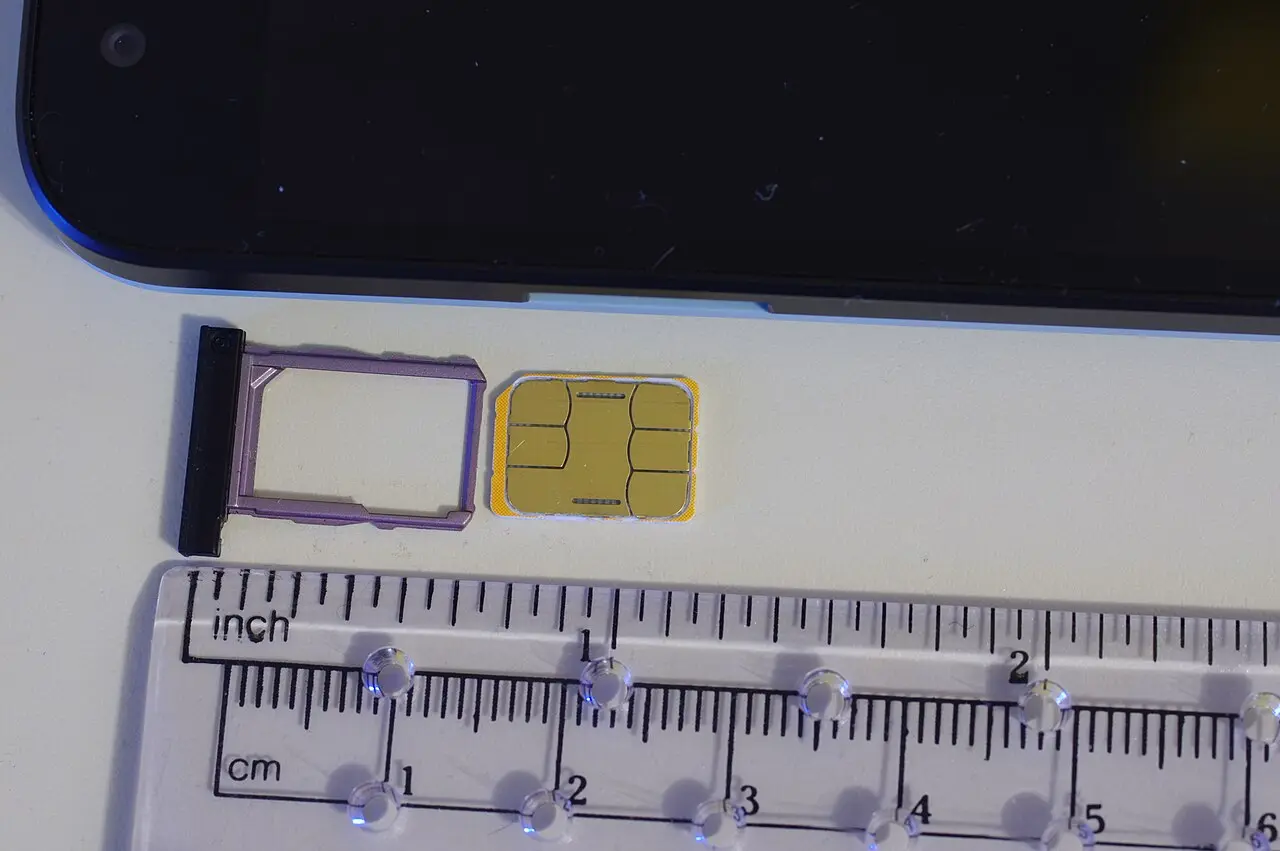
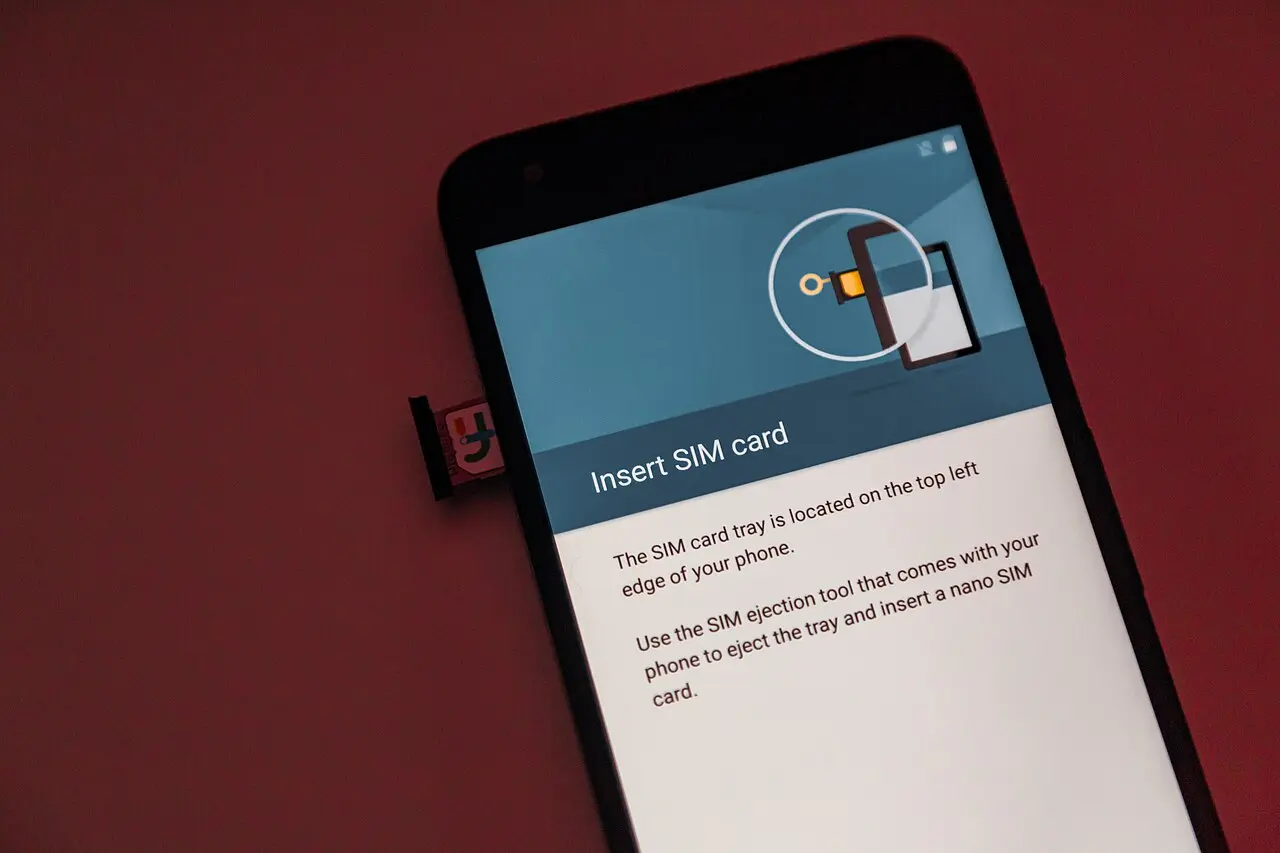
Magti’s office list shows exactly two airport branches, both marked “limited services”: Tbilisi International and Kutaisi International. The operator’s English page attaches the free card to the Welcome Package; its Georgian version prints a card price of 10 GEL, so ask at the counter whether the card is charged with the smaller pack. What you pay for is the bundle loaded onto it, and the operator prints two:
- Welcome Package, 30 GEL - 3 GB of data, 30 minutes of international calls (dial 00 or + before the number), free local calls and free local texts to Magti, Silknet, Cellfie and landlines, valid 15 days. Activate it by dialling
2230 ok. - 15 GEL - 5 GB and free local texts, also 15 days, activated with
3315 ok.
The Welcome Package earns its price only if you plan to call home from a Georgian number. If all you’re after is maps, messaging and a hotspot, the 15 GEL pack gives you five gigabytes instead of three on the same fifteen-day clock - check whether the card is charged on top of it.
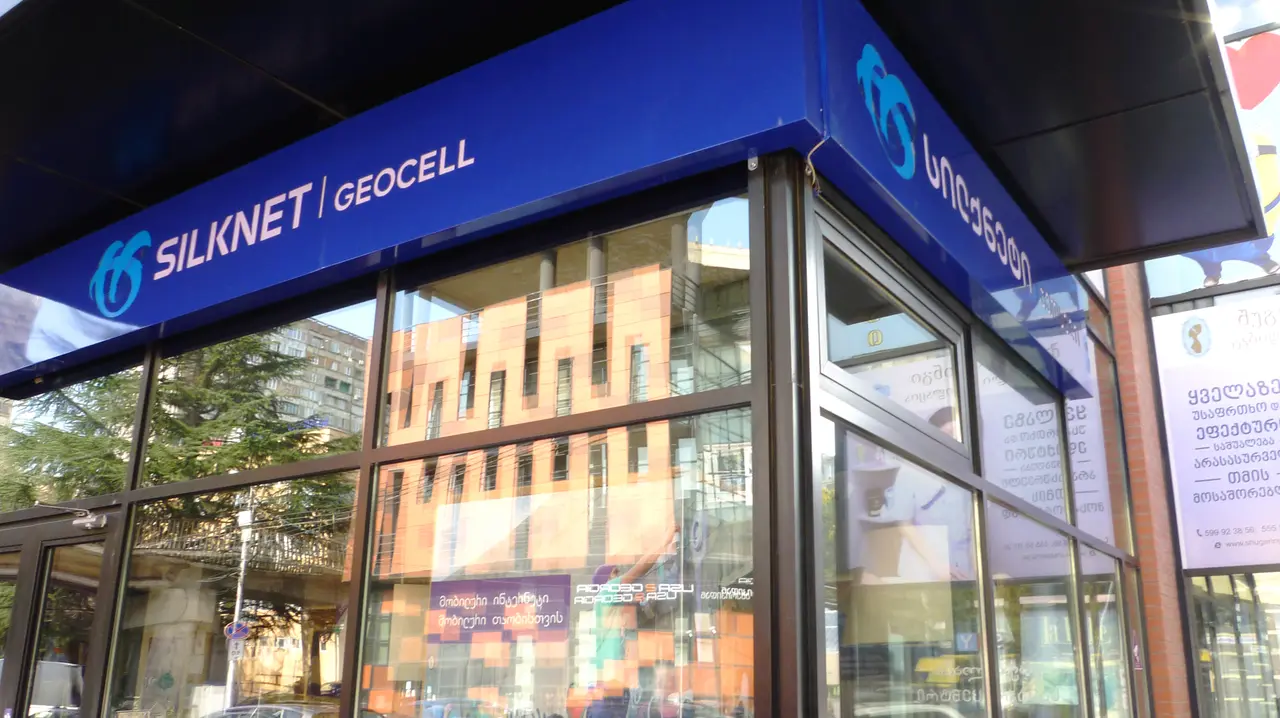
There’s no Magti desk at Batumi airport. Alongside the two airport branches the operator’s list carries two ordinary Batumi stores, at 10 Rustaveli Street and 5 I. Abashidze Street, and nothing at the terminal. Landing on the coast, plan to buy in town the next morning - or arrive with an eSIM already loaded.
Wherever you buy, the process is the same: hand over your passport, watch the SIM get registered, and you’re online before the taxi rank. It takes a few minutes, and it’s worth doing before you join the taxi queue rather than after - a working number and an open map save an argument over the fare in a language you don’t speak.
Buying a SIM in town
In the city, buy from an official operator store, not a kiosk on the street. Staff in city stores usually have some English or Russian.
Staying longer than a fortnight? Ask for a standard monthly plan instead of a tourist pack. Cellfie prints three of them: Mini at 7 GEL for 1.5 GB plus 100 minutes to other mobile networks, Pro at 17 GEL for 7 GB and 500 minutes to every network, and Maxi at 25 GEL for 20 GB with unlimited minutes and texts. All three run 30 days and renew themselves as long as the number has balance on the renewal date. Magti sells data the same way - 5 GEL for 1 GB, 9 GEL for 3 GB, 12 GEL for 5 GB, 30 GEL for 20 GB, all on a 30-day cycle, with a month of unlimited data at 35 GEL.
That makes the comparison arithmetic rather than opinion. Maxi works out at roughly 1.25 GEL a gigabyte over 30 days; the 15 GEL airport pack costs 3 GEL a gigabyte over 15. The airport pack still wins the first fortnight, because it’s sold ready to use at the moment you land and needs no second trip. After that the monthly plan is simply cheaper.
Silknet sells tourist packages too, but publishes no price list you can rely on before you walk in - check the current bundle in a Silknet store or in the My Silknet app.

eSIM before you land
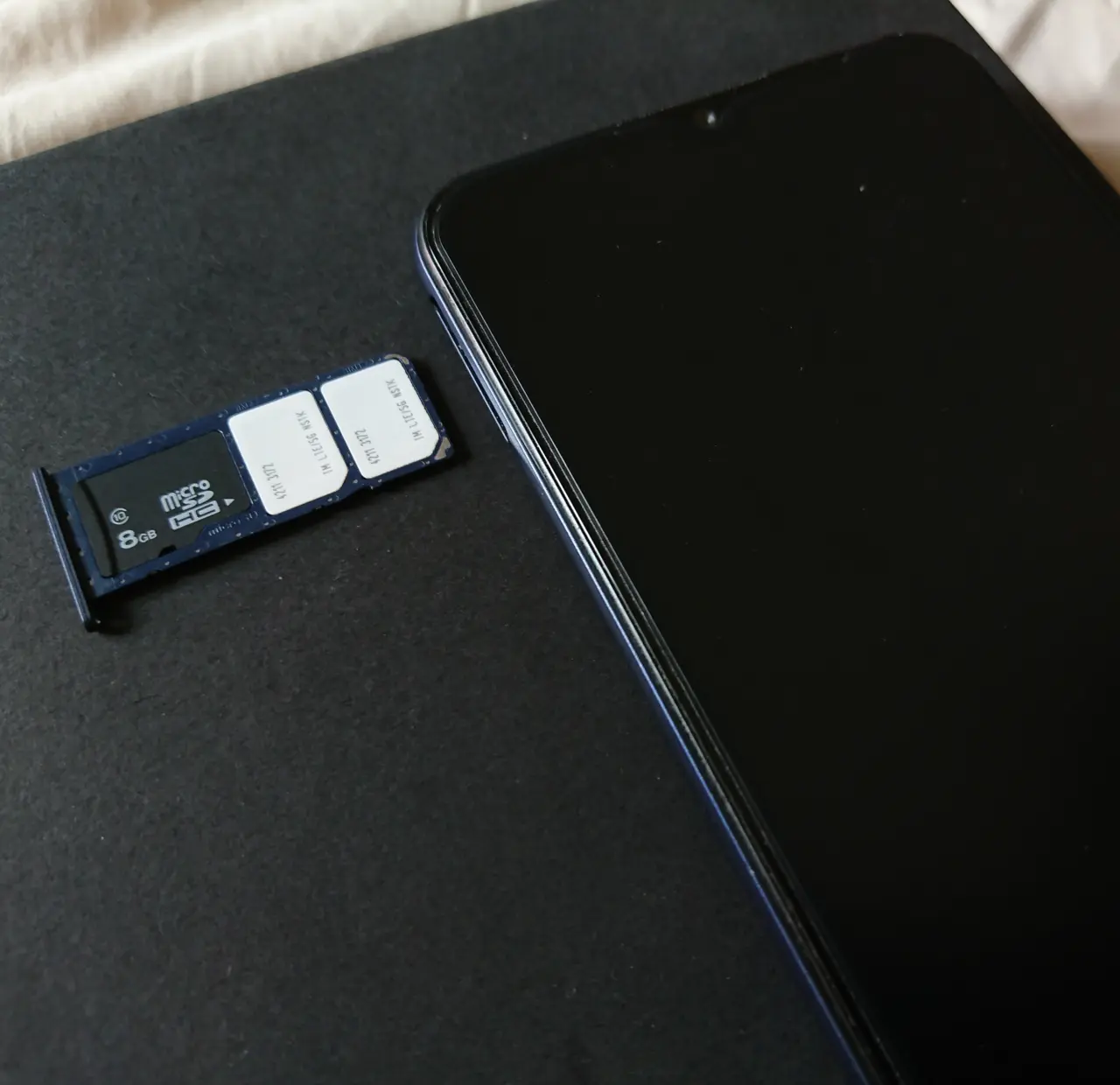
If your phone takes an eSIM, you can arrive already online and move to a local SIM later if the trip runs long. That’s the simplest way to cover the first day or two, and it’s the only way to be connected the moment you step off a plane in Batumi, where no operator keeps an airport desk at all. An eSIM never comes with the pack the way the Magti card is - you pay for the data plan up front - but it takes the counter, the queue and the paperwork out of your first hour in the country, and the price is fixed before you fly.
A simple way to decide
- Weekend or short city break, landing in Tbilisi or Kutaisi: the 15 GEL pack. Five gigabytes outlast a weekend by a wide margin.
- Up to fifteen days with day trips to Kazbegi, Svaneti or Kakheti: the same 15 GEL pack, or the 30 GEL Welcome Package if you’ll be phoning home from the road. Both stop on day 15 - that’s the number to plan around.
- Landing in Batumi, whatever the length: an eSIM before the flight, then a local SIM from a city store if you decide you want one.
- Longer than a fortnight, or working remotely: a monthly plan in an operator store - Cellfie Maxi, or Magti’s 20 GB month - instead of stacking short packs end to end.
Prices and pack contents shift with promotions through the year, so check the current offer in the operator’s app or store before you pay. And carry the passport for a physical SIM, whatever the card itself turns out to cost.
Home internet


Home internet is fibre, and Magti and Silknet are the two big providers - the same pair you’ll have been choosing between for your phone. A rented flat usually has a line already, so ask the landlord before you arrange anything new. Connecting from scratch means an installer visit and a document that ties you to the address, normally the lease. Free Wi-Fi in cafes and coworking spaces is common enough in Tbilisi and Batumi to carry a short stay on its own.
Receipts, backup SIMs and dead zones
- Keep the receipt or the activation message for the first few days. If a pack doesn’t switch on properly, any branch of the same operator can usually fix it on the spot, and it helps to have proof of what you bought and when.
- Watch the fifteen-day clock. Both airport packs run 15 days; if the trip is longer, decide what follows them before the fortnight is up rather than at the moment the data stops.
- A local number opens more than you’d expect - bank apps, deliveries, ticket sites. Sort the SIM out early; see the bank account guide.
- Coverage is solid in towns and on main roads and thins out in deep gorges and high up. If being reachable in the mountains matters, a second SIM from another operator is cheap insurance against one network’s dead zone.
More on settling in is in the relocation guide; for a place to stay, see long-term rental.
Read also

Relocation · 10 min read
How to move to Georgia 2026: relocation steps
Verified · September 1, 2026How to move to Georgia in 2026: legal stay, tourist insurance, bank, residence permit and the 183-day tax line. Checked 01.09.2026.

Relocation · 13 min read
Georgia work permit 2026: rules for the self-employed
Verified · July 23, 2026Georgia right to work: who needs it after the 2026 amendments, the 200 and 400 GEL fees, zero quotas, deadlines and fines. Checked 23.07.2026.

Relocation · 9 min read
Georgia Visa-Free by Nationality: 2026 Table
Verified · July 14, 2026How long can your nationality stay in Georgia visa-free? Full 2026 table: a year for most of the 96 listed countries, plus the e-Visa and visa cases.

Relocation · 11 min read
Georgia tax for sole traders: 1% small business, 0% micro
Verified · July 13, 2026Georgia sole trader tax: small business 1% on turnover up to 500,000 GEL, micro 0% to 30,000, plus VAT and the 183-day rule. Checked 13.07.2026.