
Georgia Visa-Free by Nationality: 2026 Table
How long can your nationality stay in Georgia visa-free? Full 2026 table: a year for most of the 96 listed countries, plus the e-Visa and visa cases.
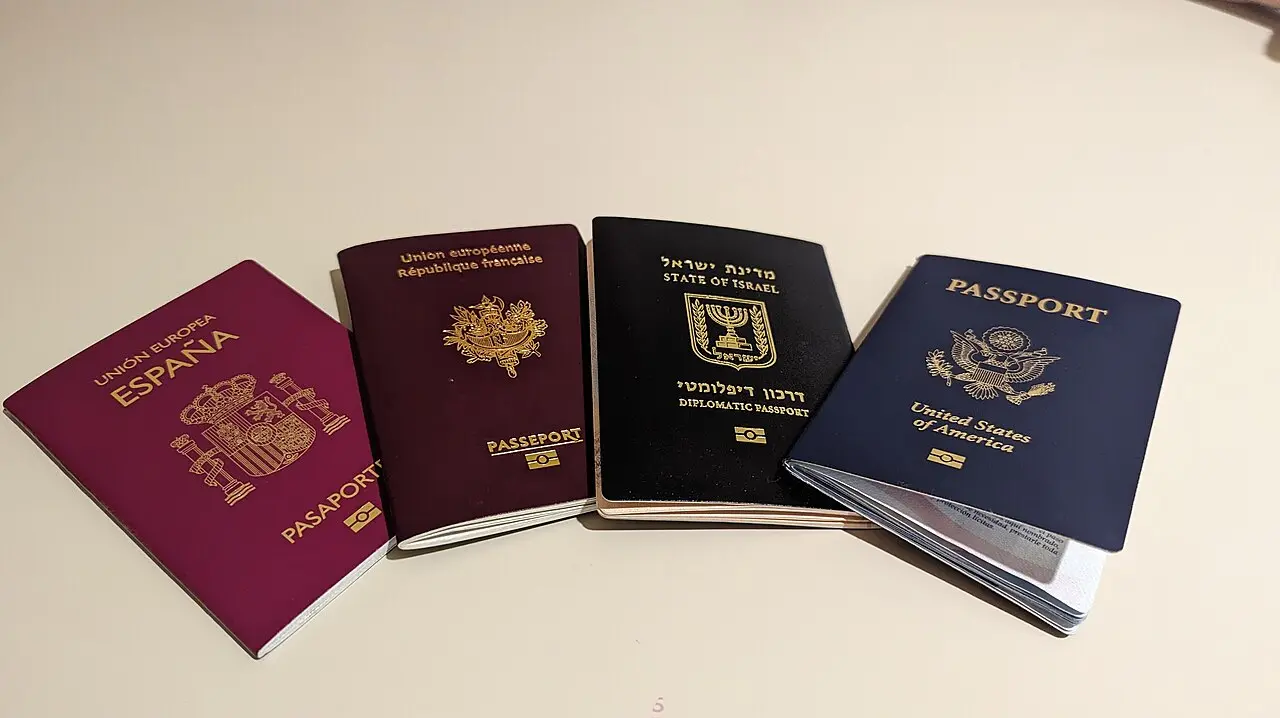
Most people never need a visa for Georgia, and the reason is unusual: the visa-free annex to Ordinance N255 runs to 96 countries and territories, and almost all of them can stay for a full year on arrival, not the 30 or 90 days most nations hand out. This is the by-nationality table. Find your passport, see how long you get, and check whether you land in one of the few groups that need an e-Visa or an ordinary visa instead. Everything below is drawn from Georgia’s own decrees and checked on 14 July 2026.
Checked 14 July 2026. This is reference information, not legal advice. Visa-free lists and stay periods can change quickly and without a long transition. Before you book, confirm your own citizenship at geoconsul.gov.ge (visa-free and visa cases) or evisa.gov.ge (e-Visa). Borderline situations - dual nationals, an expiring passport, a disputed territory - are worth a direct question to the consulate.
The one-year list: who gets 365 days
Georgia’s core rule sits in Ordinance N255 of the Government of Georgia (5 June 2015, amended since), which says citizens of the listed countries “may enter and stay in Georgia without a visa for one full year.” The annex runs to 96 entries - countries and territories - with one notable exception written into it: Chinese citizens get 30 days, tourism only. Rather than print every name, here are the ones people actually ask about, grouped by region. If your passport is on this list you simply arrive, get your entry stamp, and that’s the whole procedure - no application, no fee, no invitation letter.
| Passport | Visa-free stay in Georgia |
|---|---|
| All EU and EEA states, plus Switzerland | Up to 1 year |
| United Kingdom, Ireland | Up to 1 year |
| United States, Canada | Up to 1 year |
| Australia, New Zealand | Up to 1 year |
| Russia, Belarus, Ukraine | Up to 1 year |
| Armenia, Azerbaijan, Moldova | Up to 1 year |
| Kazakhstan, Kyrgyzstan, Tajikistan, Turkmenistan, Uzbekistan | Up to 1 year |
| Turkey, Israel | Up to 1 year |
| UAE, Saudi Arabia, Qatar, Kuwait, Bahrain, Oman | Up to 1 year |
| Japan, South Korea, Singapore, Malaysia, Brunei, Thailand | Up to 1 year |
| Brazil, Argentina, Mexico, Colombia, Ecuador, Panama, Costa Rica | Up to 1 year |
| South Africa, Botswana, Mauritius, Seychelles | Up to 1 year |
The same annex also covers smaller states that rarely make headlines: Andorra, Monaco, San Marino, the Vatican, and a run of Caribbean nations. A full year is the maximum length of a single stay, not a rough average, which is why so many remote workers treat Georgia as a “come and see if I want to live here” country. If your nationality isn’t named in Ordinance N255, assume you fall under one of the categories below and check it.

Shorter visa-free stays, and the e-Visa
A few nationalities are visa-free but for less than a year, and another group has to apply online first. These are the rows worth memorising, because they’re the ones that catch people out at the gate.
| Passport | Visa-free stay |
|---|---|
| China, Hong Kong, Macao | 30 days |
| Iran | 45 days |
| Chile, Fiji, North Macedonia, Uruguay | 90 days in any 180 |
If your country is on none of the visa-free lists, the usual route is the e-Visa at evisa.gov.ge: apply online, pay, and travel with an electronic authorisation instead of a sticker in your passport. It covers many South and Southeast Asian, African, Caribbean and Pacific nationalities.
| Passport (examples) | What to do |
|---|---|
| India, Indonesia, Philippines, Vietnam, Egypt | Apply for an e-Visa before travel |
| Maldives, Mongolia, Myanmar, Laos | Apply for an e-Visa before travel |
| Many African, Caribbean and Pacific states | Apply for an e-Visa before travel |
The exact stay an e-Visa grants (often up to 30 days) and the precise eligibility are set country by country on the official portal, so confirm yours there before you buy tickets rather than trusting a summary.

The side door: entering on another country’s visa or permit
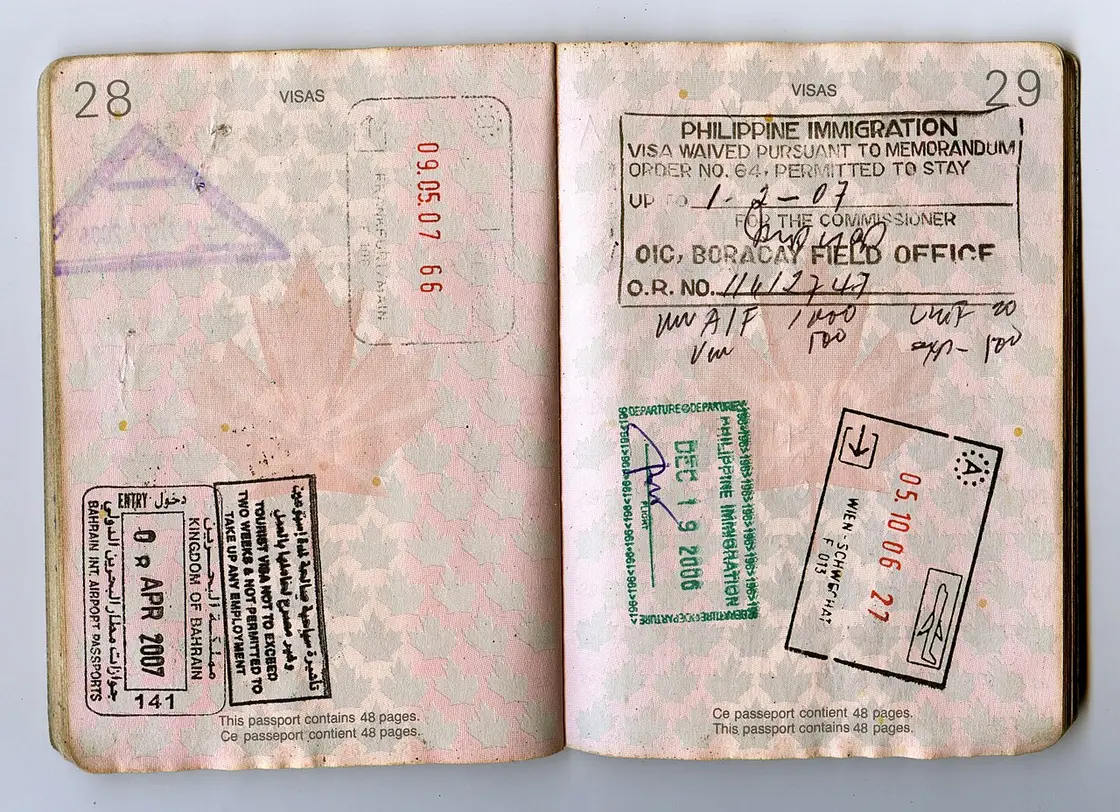
This is the rule that rescues a lot of travellers whose own passport would otherwise need a visa. Under Ordinance N256, if you hold a valid visa or residence permit from the EU, the EFTA states, the Gulf Cooperation Council, or from Australia, Canada, Israel, Japan, New Zealand, South Korea, the UK or the US, you may enter Georgia visa-free for up to 90 days in any 180-day period, whatever your nationality.
One catch you’ll want to know for 2026 applies to the Gulf route specifically. An amendment of 17 April 2025 tightened it for seventeen nationalities - Afghanistan, Bangladesh, Cameroon, Cote d’Ivoire, DR Congo, Eritrea, Ethiopia, Ghana, Morocco, Nigeria, Pakistan, Somalia, Sudan, Syria, Tanzania, Uganda and Yemen. For them, a visa or residence permit from a Gulf (GCC) state now has to be valid for at least a year on the day of entry. A document from the EU, the US or the UK still works on the usual 90-days-in-180 terms, with no one-year rule attached.
Passport, ID card, and the borders that do not count
Most people enter on a passport that only has to stay valid for the whole trip. Georgia has no rigid “six months of validity” rule of its own, though your airline and any transit country may impose one, so you’ll want a little margin. A short list of nationalities can cross on a national ID card instead of a passport: EU citizens, the Swiss and Liechtensteiners, Turkish citizens, and Armenians and Ukrainians arriving directly rather than through a third country.
Dual nationals get a small planning advantage worth knowing: you may present whichever of your passports gives the better rule. An Iranian-Canadian, for example, would enter on the Canadian passport for the full year rather than the 45-day Iranian stay. As a rule of thumb, enter and leave Georgia on the same document so your entry and exit records line up, and carry the second passport too if that’s what your onward flights are booked under.
One hard line applies to everyone. Don’t try to enter through Abkhazia or South Ossetia from the Russian side: Georgia treats those crossings as illegal and it creates problems at every later check. The recognised land borders are Sarpi with Turkey, Sadakhlo and other points with Armenia, the Red Bridge with Azerbaijan, and Verkhniy Lars with Russia on the Military Road.
What a visa-free year actually buys you
The year is generous, but it’s not a residence permit and not permission to work for a Georgian employer. Inside that time you can travel, work remotely for a foreign company, open a bank account and register as a sole trader. Two numbers matter once you stop being a tourist and start living here. First, spend 183 days in any 12-month period and you become a Georgian tax resident automatically, whatever visa status you’re on; the full mechanics, including how visa runs reset the clock, are in Georgia visa-free stay: how long, and what counts as leaving. Second, since 1 January 2026 every visitor needs medical insurance covering at least 30,000 GEL for the whole stay, and it’s checked at each entry, not only the first - the detail sits in Georgia’s mandatory travel insurance.
If a year isn’t enough, the legal route is a Georgian residence permit; for freelancers who settle there’s also Georgia’s 1% sole-trader tax. The five-year C5 digital nomad visa, despite the name, won’t buy you more time: the stay it allows is capped at one year in total, the same as the visa-free allowance.


What changed recently, and what to double-check
Two changes are worth flagging because older guides still get them wrong. Ukraine used to have a special three-year visa-free stay; that was cut to one year on 2 April 2025, so Ukrainians now sit in the same one-year group as everyone else. And China, Hong Kong and Macao moved to a 30-day visa-free entry back in September 2023, not the year you might expect from a big trading partner. The broader story - documents, insurance, the queues at Verkhniy Lars - lives in the pillar guide Georgia entry rules 2026 and the plain-language do you need a visa for Georgia overview.
Because this is exactly the kind of rule that shifts without much warning, treat the table as a starting point, not a guarantee. You’ll want to confirm your own citizenship at geoconsul.gov.ge or evisa.gov.ge before you commit to flights, and if a row looks borderline for you, ask the consulate rather than guess. For most readers, though, the answer is the happy one: a passport, a travel insurance policy, and up to a year in the country with no paperwork at all.


Read also

Relocation · 10 min read
How to move to Georgia 2026: relocation steps
Verified · September 1, 2026How to move to Georgia in 2026: legal stay, tourist insurance, bank, residence permit and the 183-day tax line. Checked 01.09.2026.

Relocation · 13 min read
Georgia work permit 2026: rules for the self-employed
Verified · July 23, 2026Georgia right to work: who needs it after the 2026 amendments, the 200 and 400 GEL fees, zero quotas, deadlines and fines. Checked 23.07.2026.

Relocation · 11 min read
Georgia tax for sole traders: 1% small business, 0% micro
Verified · July 13, 2026Georgia sole trader tax: small business 1% on turnover up to 500,000 GEL, micro 0% to 30,000, plus VAT and the 183-day rule. Checked 13.07.2026.

Relocation · 13 min read
Georgia residence permit 2026: grounds, documents, property
Verified · July 8, 2026Georgia residence permit 2026: grounds, documents and fees, the property threshold is now $150,000, and work permits are mandatory. Checked 08.07.2026.