
Money in Georgia: lari, exchange and cards
Money in Georgia: the lari (GEL), where to exchange cash at good rates, card and ATM tips, tipping, and how much cash to carry.
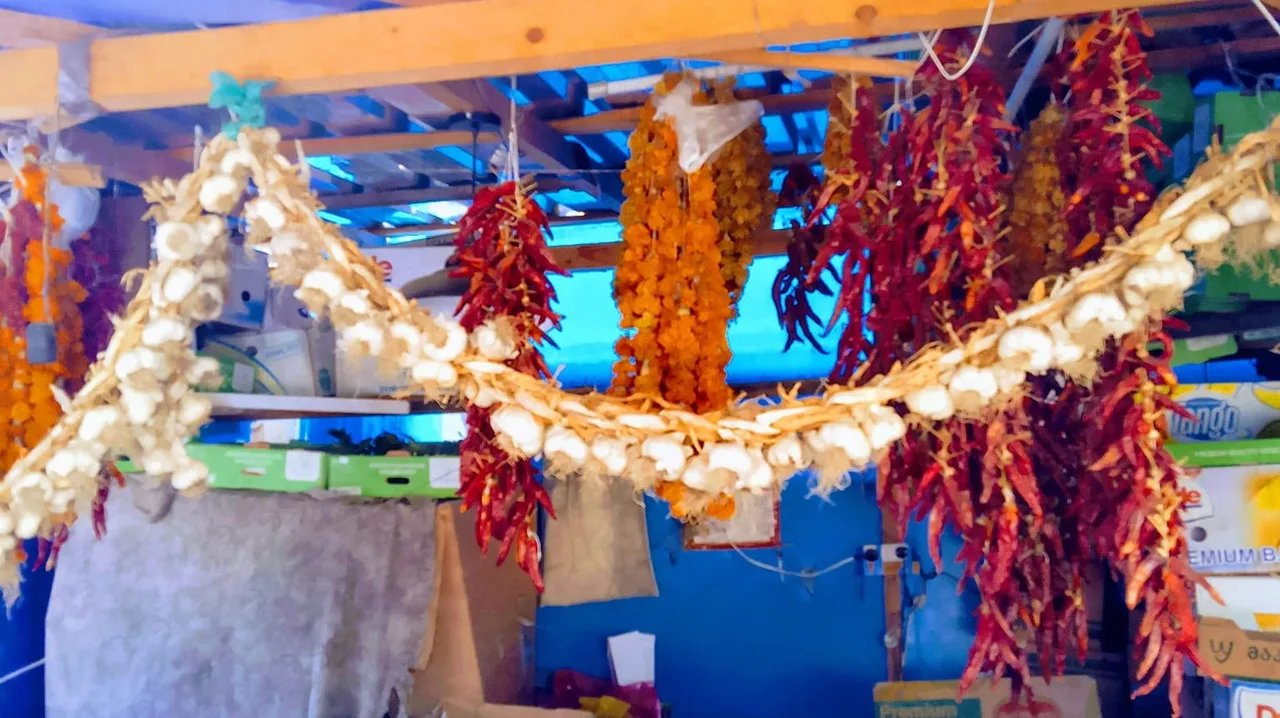
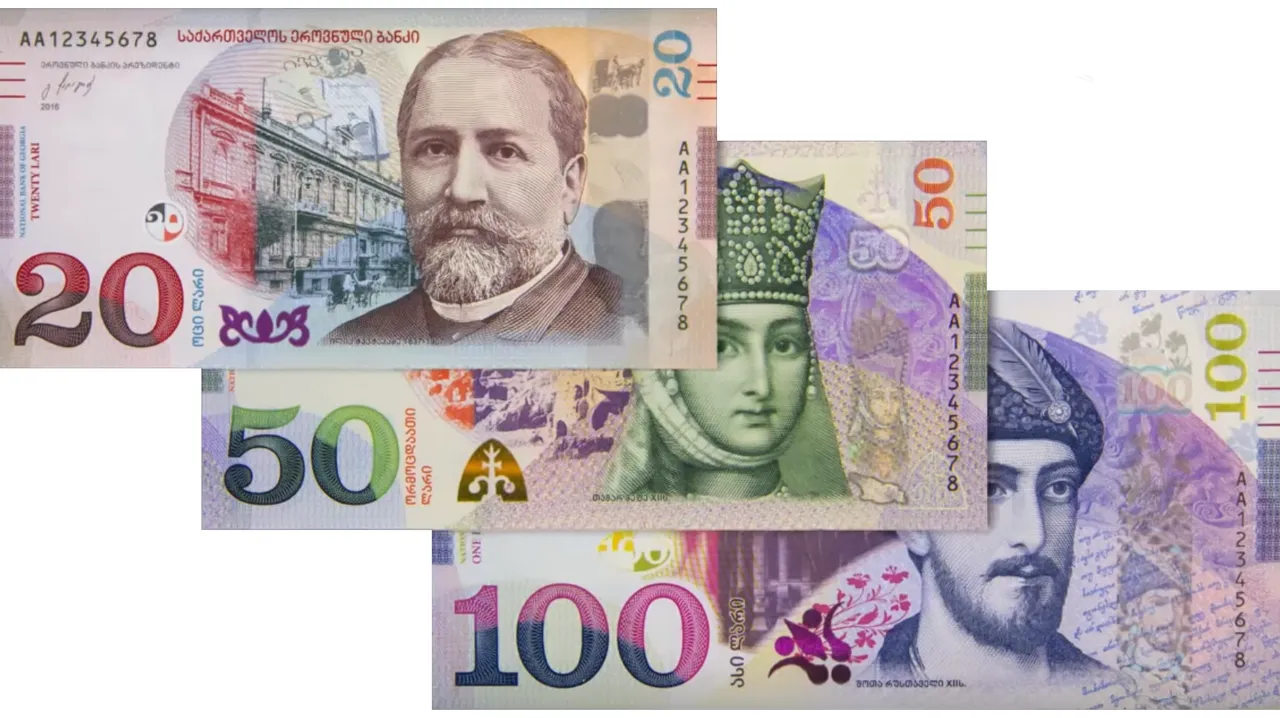
Georgia’s currency is the Georgian lari (currency code GEL, symbol ₾). One lari is 100 tetri; banknotes come in 5, 10, 20, 50, 100 and 200 lari, with 1 and 2 lari coins plus smaller tetri. The key thing for a traveller: you pay in lari almost everywhere — paying in dollars or euros isn’t accepted in most places, so changing money is your first step on arrival. Cards work better and better in the cities, but you’ll still need cash.
What it’s worth
The rate floats: roughly 2.7 ₾ to the US dollar and about 3 ₾ to the euro (as of 2026; figures change). We show the live lari rate against the dollar, euro and other currencies in the top bar of the site — on every page — and the source is the National Bank of Georgia (nbg.gov.ge). Before changing a large sum, it’s worth checking the official rate so you know how good an exchange booth’s rate really is.
Cash or card
In the big cities — Tbilisi, Batumi, Kutaisi — Visa and Mastercard are accepted almost everywhere: restaurants, cafes, supermarkets, hotels and shops, with contactless long the norm. But cash is still needed: at markets and bazaars, with small vendors, in taxis and marshrutka minibuses, in mountain villages and family guesthouses, cash is often the only option. A good rule of thumb is to keep at least 100 ₾ in small notes on you, and double that out in the regions.
Where to exchange money at a good rate
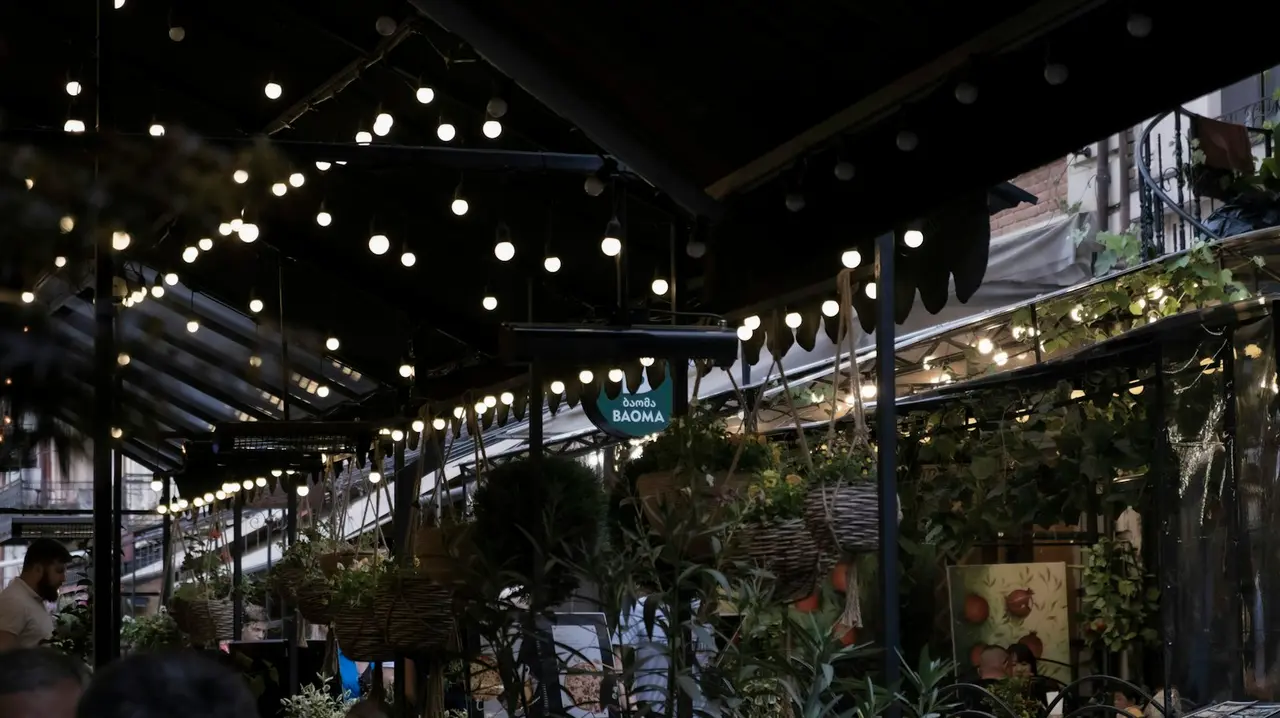
The worst place to exchange is the airport and hotels: the rate there is usually worse than in town. Change at exchange booths (look for “Valuta” / «გადაცვლა» signs) — they’re on almost every corner in the city centre; their spread is typically better than the banks’, and many charge no commission at all. US dollars and euros are accepted everywhere; other currencies are taken less widely and at poorer rates. Tip: compare the rate at two or three nearby booths and ask whether there’s any commission before you hand over your money.
ATMs and withdrawing cash
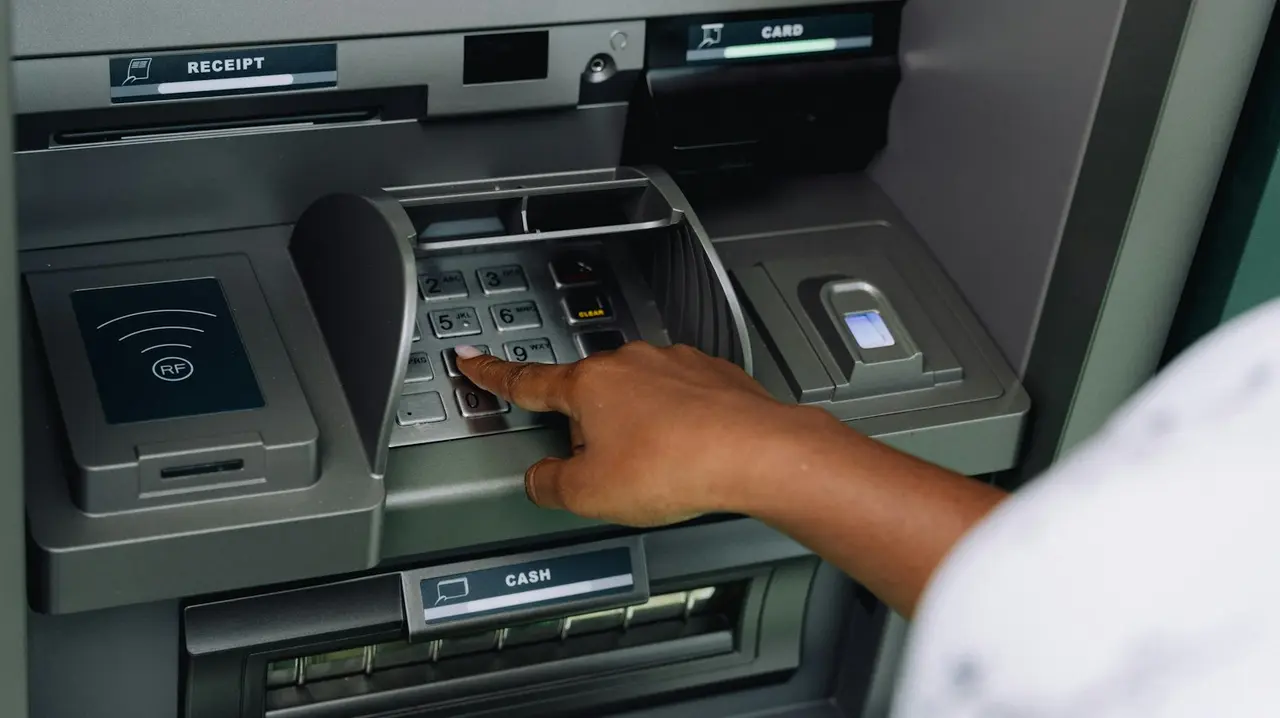
ATMs are everywhere and take Visa, Mastercard and Maestro (some take UnionPay). The most reliable are TBC Bank and Bank of Georgia; they rarely charge their own fee on foreign cards (though your own bank still might). The big money-saver is about DCC (dynamic currency conversion): if an ATM or terminal offers to charge you “in your home currency,” always choose to pay in lari (GEL) — the machine’s conversion rate is almost never in your favour.
Tipping
Tipping in Georgia isn’t a strict obligation. Many cafes and restaurants already add a service charge (around 10%) to the bill — check it before leaving extra. If there’s no charge and you enjoyed the meal, round up or leave about 10%, ideally in cash. In taxis it’s normal to just round up or add 1–2 ₾, especially if the driver helped with luggage.
How much to bring, and the declaration rule
It’s handy to bring some cash dollars or euros for the first exchange, then withdraw lari from ATMs as you go. Large amounts of cash must be declared at customs on entry — check the current limit and rules on rs.ge (the Georgian Revenue Service), as they change from time to time.
In short
- Currency — the lari (₾, GEL); you pay in lari almost everywhere.
- Cards — work in the cities; cash — for markets, taxis, villages.
- Exchange — at booths in the centre, not the airport; compare rates.
- ATMs — TBC and Bank of Georgia; when withdrawing, choose GEL, not your own currency.
- Tipping — check whether 10% is already on the bill.
Next in planning: decide when to visit, check whether you need a visa and insurance, and for a longer stay, a Georgian bank account comes in handy.
Read also
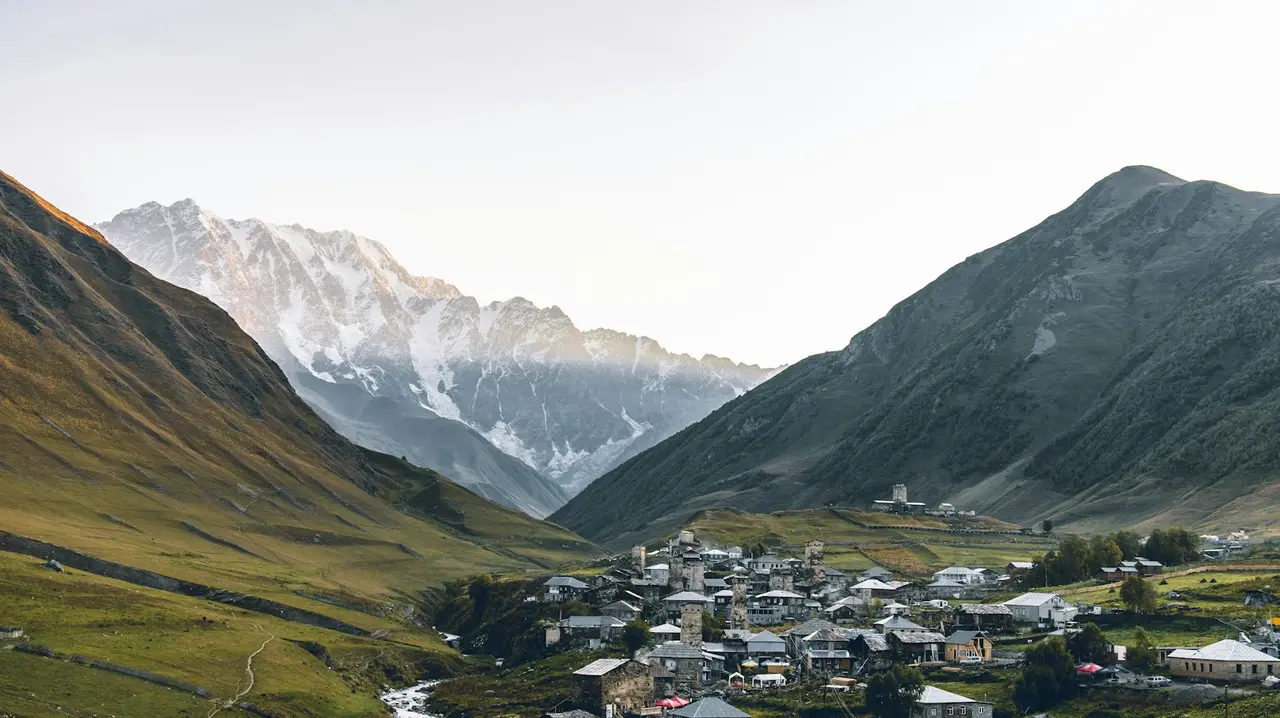
Best time to visit Georgia: seasons & weather
Updated · June 19, 2026The best time to visit Georgia by season — weather, crowds and prices across spring, summer, autumn and winter, plus beaches, skiing and wine.

Georgia visa: do you need one and how to enter
Updated · June 18, 2026Do you need a visa for Georgia in 2026: visa-free stay up to 1 year for ~98 countries, mandatory health insurance from Jan 1, documents and entry points.
Tbilisi–Batumi flights: Georgian Airways from June 25
Updated · June 19, 2026From June 25, 2026 Georgian Airways flies Tbilisi–Batumi four times a week, 45 minutes in the air. Days, schedule and how to book a ticket.

Batumi Opens Summer with a Festival on June 20–21
Updated · June 19, 2026June 20–21 Batumi opens its summer season with a free festival by the Alphabet Tower: evening music show from 17:00, ~150-maker market, seaside cafes.