
Khertvisi Fortress: ancient walls and how to get there
Khertvisi Fortress in Samtskhe-Javakheti: one of Georgia's oldest, with 10th-11th-century walls and towers on a rocky spur on the road to Vardzia.
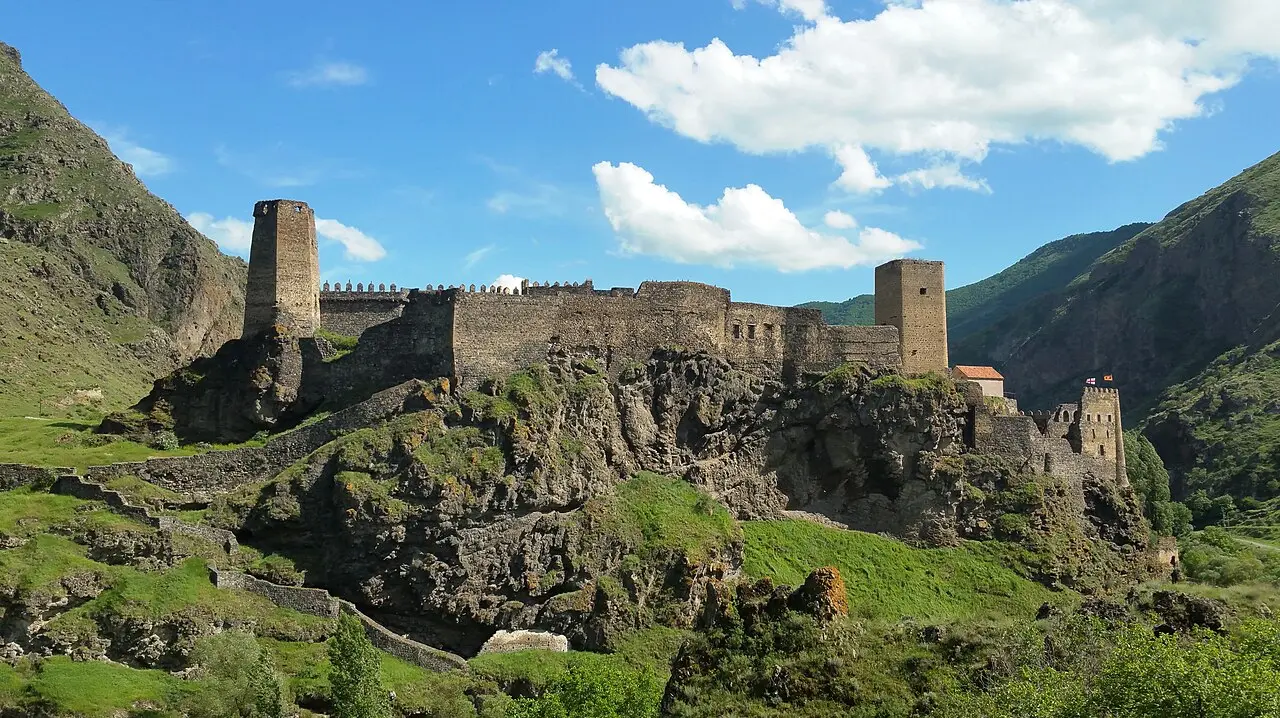
Khertvisi is one of Georgia’s oldest and most striking fortresses: long walls and towers run along a narrow rocky spur above the confluence of two rivers, with the bare mountains of Samtskhe-Javakheti rising all around. The fortress stands right beside the road to the cave town of Vardzia, so people usually stop to see it on the way.
Why the fortress is famous
Khertvisi is counted among the oldest fortresses in the country. The large fortification that has survived to our day is dated to roughly the 10th-11th centuries, but a fortress stood on this site in antiquity too: according to historical records Khertvisi was a town, and the last references to it date to the second half of the 18th century.
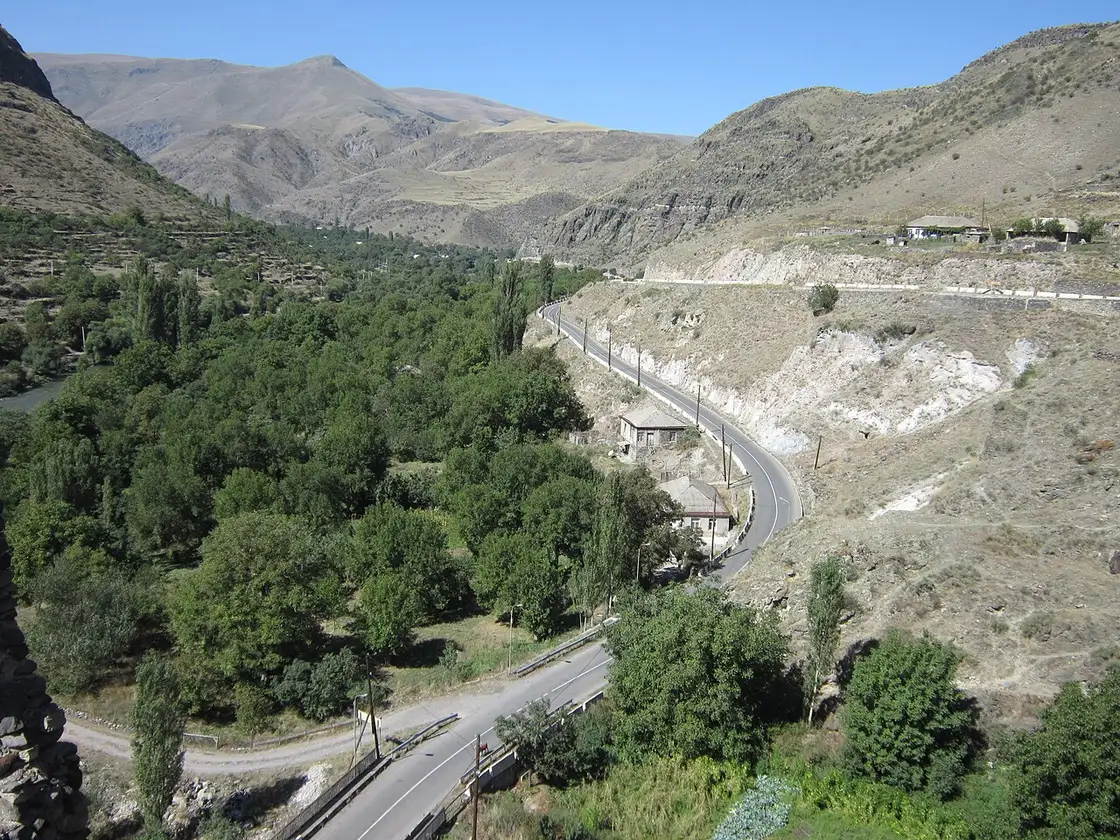
The fortress stands on a narrow rocky spur at the confluence of the Mtkvari (Kura) and Paravani rivers - a natural position that made it almost impregnable. In 1771 King Erekle II briefly recaptured Khertvisi from the Ottomans; a great deal of valuables and goods was taken out of the fortress at the time - which is what gave historians proof that Khertvisi really was a significant town.
What to see
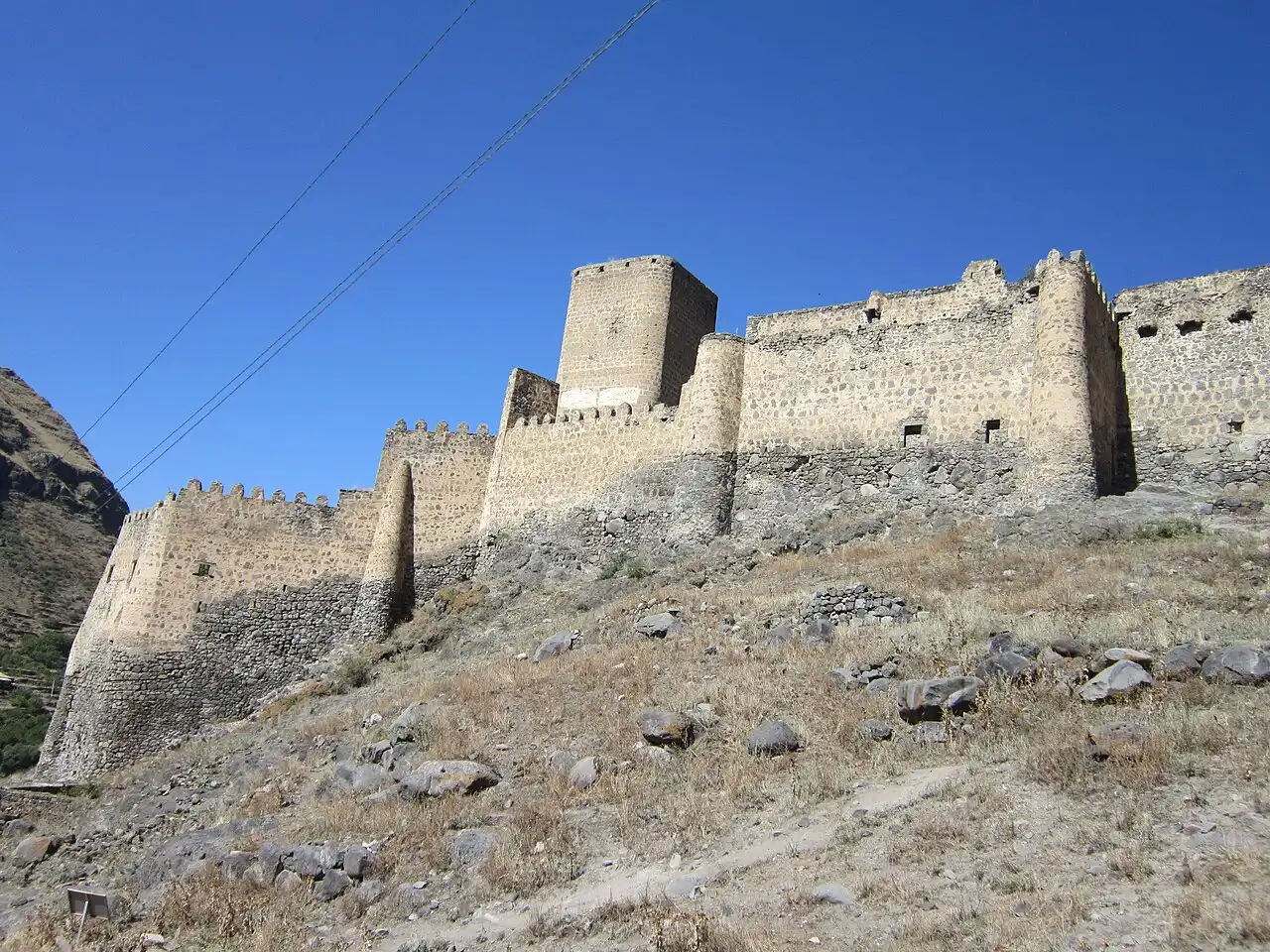
The main draw here’s the walls and towers themselves, which follow the shape of the rock: you can climb up and walk along them, studying the masonry and the loopholes, and from above a view opens out over the valley and the river confluence. The fortress is made up of several parts and is well preserved despite its age. It looks especially dramatic from the road - a massive silhouette against the bare slopes.
What to keep in mind when visiting
Khertvisi stands freely beside the road, with almost no dedicated facilities inside. The climb up to the walls is short but steep in places, and the surface is uneven - you’ll want comfortable shoes. In hot weather bring water and a hat: there’s little shade. About half an hour is usually enough for a look around, and it’s easy to combine with a trip to Vardzia.
Nearby
The fortress stands on the way to the cave town of Vardzia, and in Akhaltsikhe rises the restored Rabati castle. Getting around these places is easier by car - for how to rent one, see the car hire section; for more places, see the things to see section.
Photos
On the map
The map loads on click - to keep the page lightweight.
The map didn’t load. Check your connection and refresh the page.
Admission and opening hours
- Admission price
- Free entry
Open fortress ruins above the river confluence; there is usually no permanent ticket office. Take care on the steep, uneven sections.
Details checked: June 14, 2026
Distance
- Tbilisi ≈230 km · ~4 h via Akhaltsikhe
- Kutaisi ≈250 km · ~4.5 h approximate
- Batumi ≈310 km · ~5.5 h approximate
Read also

What to see · 10 min read
Skiing in Georgia: Gudauri vs Bakuriani
Updated · September 5, 2026Gudauri or Bakuriani: 2025/26 day passes 70 vs 55 GEL, elevations, last season dates, who each resort suits and how to get there.

What to see · 7 min read
Svaneti travel guide: Mestia, Ushguli and towers
Verified · August 25, 2026Svaneti mapped: Mestia vs Ushguli, tower villages, season, and how to link town guides, the trek, and the road from Tbilisi.

What to see · 9 min read
Resorts near Batumi: Gonio, Kvariati & Tsikhisdziri
Updated · September 2, 2026Where to stay near Batumi for cleaner, quieter beaches: Gonio and its Roman fort, Kvariati for diving, and secluded clifftop Tsikhisdziri - how to choose.

What to see · 10 min read
Georgia with kids 2026: family beaches & resorts
Updated · July 18, 2026Georgia with kids: sandy, shallow beaches up north (Ureki, Shekvetili, Kobuleti), amusement parks, when to go and how to plan a family trip.