
Georgia with kids 2026: family beaches & resorts
Georgia with kids: sandy, shallow beaches up north (Ureki, Shekvetili, Kobuleti), amusement parks, when to go and how to plan a family trip.
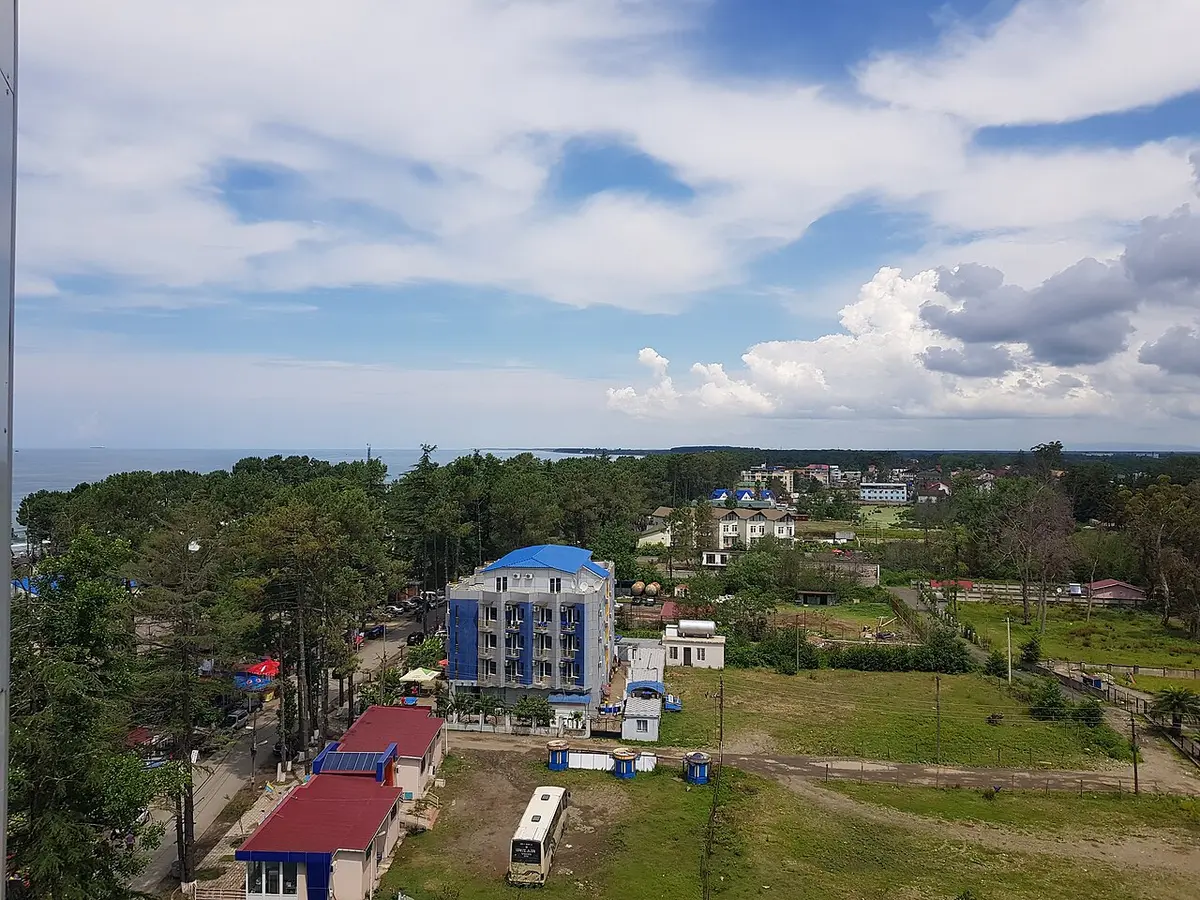
Short answer: for a beach holiday with young children, aim for the sandy north coast in Guria - Ureki, Shekvetili and Grigoleti - where the sand is soft, the sea shelves gently and the water warms up early. Shekvetili is the easiest single base, because it pairs that sand with Georgia’s biggest amusement park and a leafy dendrological garden. Batumi works if you want a city with a promenade, playgrounds and a dolphinarium on the doorstep; the pebble beaches south of it suit older kids who snorkel more than toddlers who paddle. And the kindest months for children are early June and September, when the water is warm but the July-August heat and crowds have eased.
Georgia is an easy country to travel with kids: distances on the coast are short, food is child-friendly, and locals genuinely dote on children. Where you base yourself still matters enormously, though - the right stretch of coast for a toddler isn’t the right one for a ten-year-old - and there are practical bits nobody tells you until you’re standing on hot pebbles with a howling three-year-old.
Why the north coast is built for young kids
The single most useful fact about the Georgian seaside is that the shore changes character halfway along it. North of Batumi, in Guria, the beaches are sand - fine, dark, magnetite-rich sand with a gentle walk-in and a sea that warms faster because it’s shallow for longer. From Kobuleti southward the shore turns to pebbles, and the water gets clearer the closer you get to Turkey. For a family that mostly means one thing: toddlers and pre-schoolers are far happier up north, where they can dig, paddle and wade out slowly, while the clear pebble water down south is really a reward for older kids who want to snorkel.
That gentle sand comes with a local legend attached. The dark sand at Ureki and Shekvetili is naturally magnetic, and there’s a long wellness tradition of burying yourself in the warm sand to treat joints and circulation. Treat that as folklore, not medicine: the health claims aren’t backed by solid evidence, and sand therapy has real contraindications. If your child has any heart, respiratory or other chronic condition, skip the buried-in-hot-sand ritual and ask a doctor first. As an ordinary beach, though, the magnetic sand is exactly what you want under small feet.
For the full sand-versus-pebble map of the coast, our guide to the best beaches in Georgia walks the whole shore from north to south; this page stays on the family side of it. If older kids are set on clear water and snorkelling instead, that’s the other direction - the villages in resorts near Batumi.
Shekvetili: the easiest base with kids
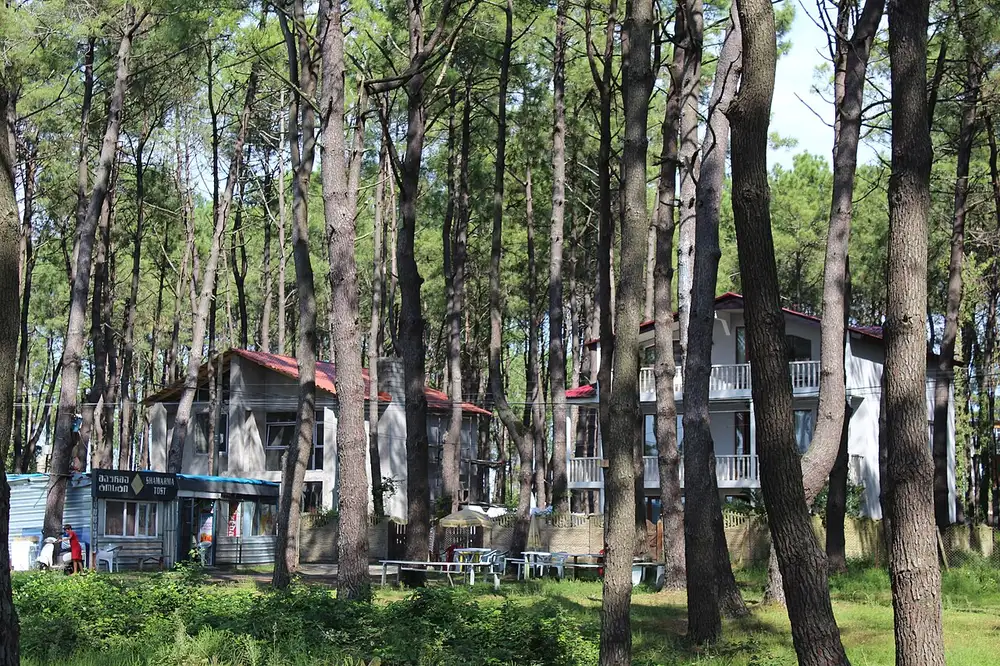
If I could pick one address for a family week, it would be Shekvetili. You get the same soft black sand and shade-giving pines as Ureki, but wrapped around it’s a full set of things to do when the kids have had enough of the sea. Right there’s Tsitsinatela, the largest amusement park in the country: 36 rides split into little-kid, family and white-knuckle sections, from a mini-train and merry-go-round up to roller coasters and a big Ferris wheel, plus bumper cars and water rides.
Two non-obvious things about Tsitsinatela save a lot of grief. First, it’s an evening park: in season it opens around 18:00 and runs to midnight, lighting up after dark (the name means “firefly”), so plan it as an after-beach outing rather than a morning one. Second, it has covered indoor zones, which matters because this coast gets sudden downpours - a wet afternoon is a reason to go, not to cancel.
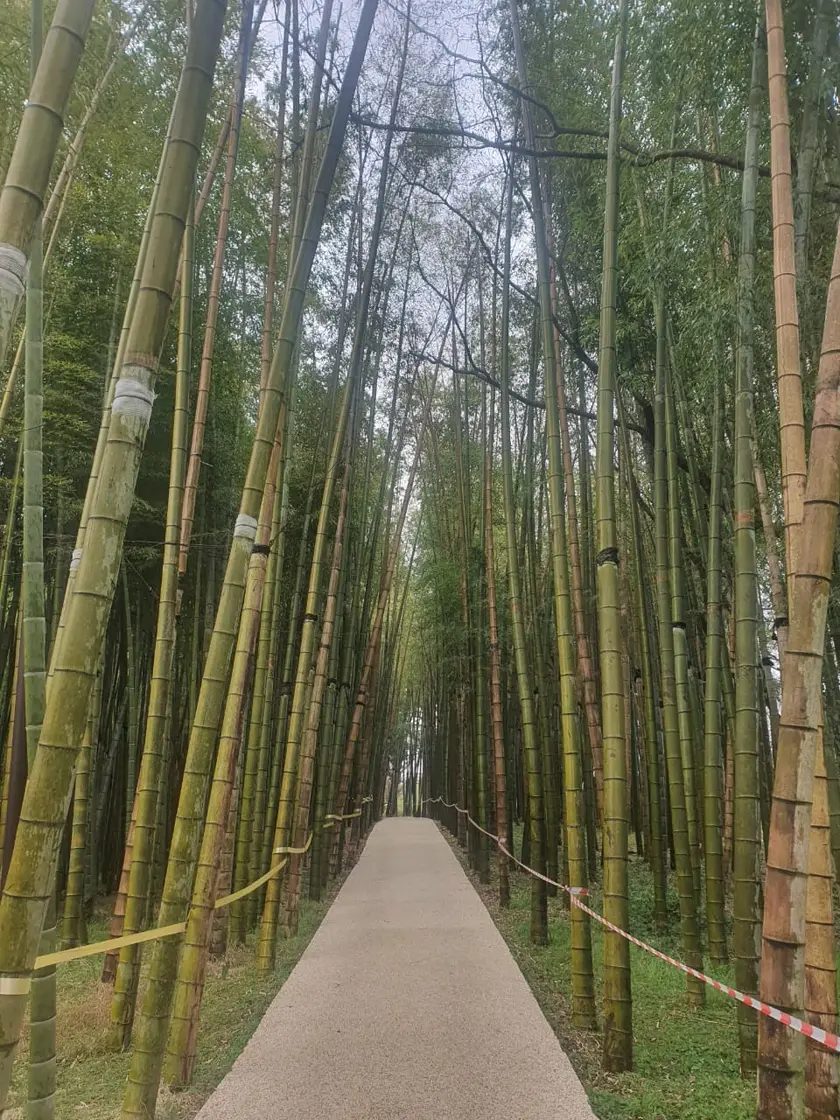
Next door sit a Park of Miniatures with scale models of Georgian landmarks, the vast Black Sea Arena concert venue, and a green dendrological park whose bamboo avenue and imported trees make a cool, sheltered walk when the beach is too hot at midday.
Ureki and Grigoleti: sand and calm
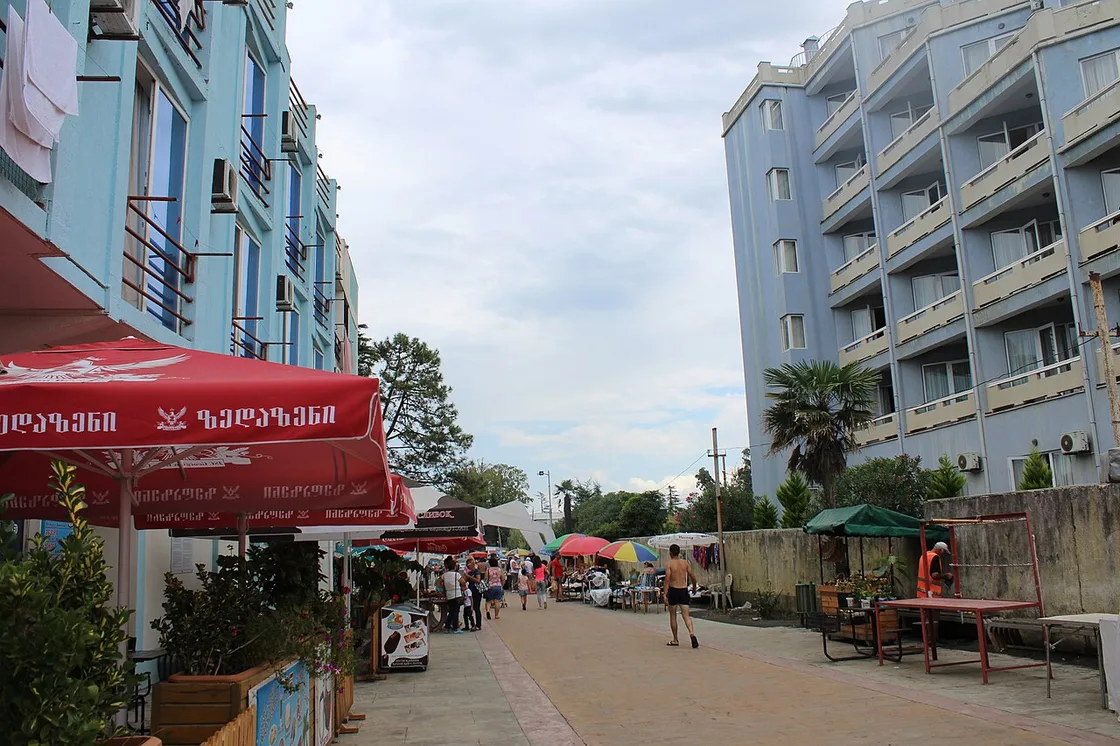
Ureki is the best-known sandy resort in Georgia and the busiest of the three, with a compact strip of guesthouses, cafes and stalls set back from a long beach of black magnetic sand. The season runs from June to mid-September. It is lively rather than pretty, but for a family without a car it is convenient: you can walk to food, ice cream and a pharmacy from the sand.
Grigoleti, just next door, is the quiet alternative - a village where the pine forest comes almost to the water and there are no parks and no crowds, only shade, shallow sand and calm. Families split neatly between the two: Ureki if you want a bit of buzz and everything within walking distance, Grigoleti if you want a nap-friendly, low-key stay and don’t mind driving out for entertainment.
Kobuleti: a long shore and a proper resort
Kobuleti is where the coast shifts to pebbles, but it stays a family resort at heart. The pebbles here are mixed with sand and the shore is long and shelves gently, which is why Georgian families have summered here for generations. A palm-and-magnolia boulevard runs along the water, the water warms to about 25-26 C by August, and there’s more infrastructure - pharmacies, shops, clinics - than in the Guria villages.
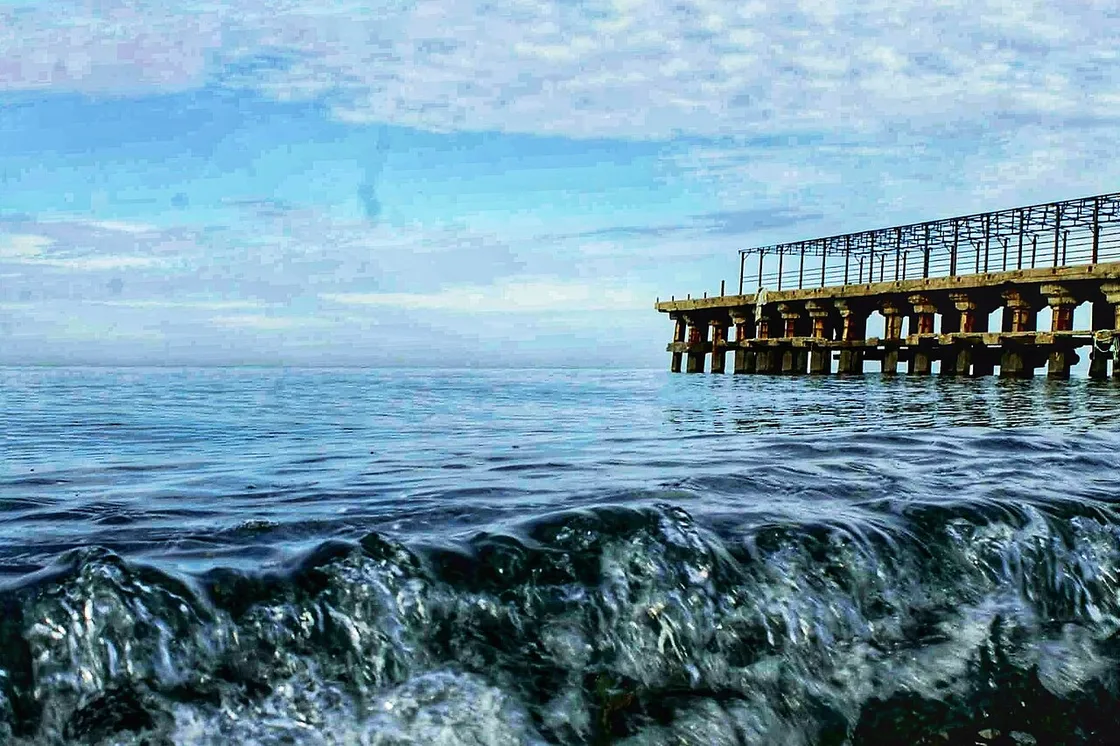
The catch is the surface: on pebbles, water shoes stop being a nice-to-have and become essential for little feet, both on the beach and walking into the water. July and August are peak here - warm and lively, but also the busiest and priciest weeks of the year. For a fuller picture of the resort itself, see our best beaches guide.
Batumi with kids: a promenade and a park on every corner
Batumi is the one real city on the coast, and with children its appeal is that everything is close and there’s always a fallback when the sea loses its charm. The city beach is pebble, so it’s not the place to teach a toddler to paddle, but the seafront boulevard is a genuine family asset: playgrounds roughly every couple of hundred metres, cycle and scooter hire, ice-cream stands and space to run.
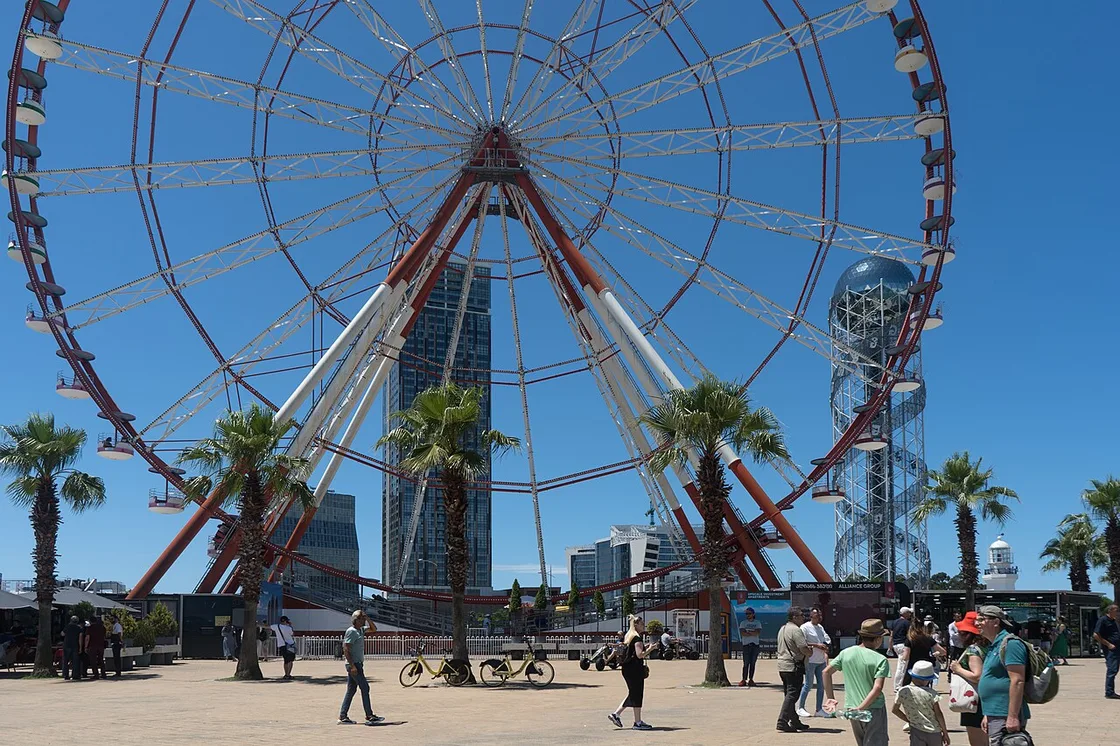
The single best stop is 6 May Park, one of the oldest parks in Georgia, gathered around little Lake Nurigeli. In one green loop you get the Batumi dolphinarium, an aquarium, a small zoo, paddle boats on the lake and a cluster of children’s rides. The park itself is free to walk into; you only pay for the attractions you choose. For packing the dolphinarium, aquarium and boulevard playgrounds into one day, see Batumi with kids. Elsewhere on the front, a seafront Ferris wheel turns slowly over the bay (one full circle takes about ten minutes), the Argo cable car climbs to a hilltop viewpoint with no height limit so even small children can ride, and on summer evenings the dancing fountains put on a music-and-lights show. Twenty minutes up the coast, the Batumi Botanical Garden is an easy half-day in the shade.
Two honest caveats. In season Batumi is the busiest, most built-up stretch of the whole coast, and it is the rainiest city in Georgia - so pack a wet-afternoon plan even in mid-July. If you want the city’s energy but calmer swimming, base yourself in Batumi and drive north to the sand on the days you want a proper beach. More on the city itself in our Batumi guide.
When to go with kids
The swimming season peaks from July to mid-September, and the water is warmest in July and August. Here’s the rough water temperature on the southern shore:
| Month | Sea temperature | With kids |
|---|---|---|
| May | ~17-18 C | too cold for most children |
| June | ~22-23 C | pleasant, quieter, a sweet spot |
| July | ~25-26 C | warm but hot, busy and pricey |
| August | ~26-27 C | warmest water, peak crowds |
| September | ~24-25 C | warm sea, thinning crowds - just as good |
| October | ~20-21 C | swim only early in the month |
For a family the honest pick is early June or September: the water is already or still warm enough for children, the midday heat is gentler, and both prices and queues drop away from the July-August peak. If you can only travel in high summer, favour the shadier pine-backed beaches of Guria and keep beach time to mornings and late afternoons. For the wider seasonal picture, see when it’s best to visit Georgia. Water figures are approximate - check for the specific year.
Planning the trip: the practical bits
Getting there. The resorts are strung along one road and railway, so you can reach most of them without a car by coastal train or marshrutka from Batumi and Kutaisi. Batumi airport is the closest to the Guria beaches, while Kutaisi is the region’s low-cost flight hub a little further off. With small kids and beach kit, though, a rental car saves a lot of hauling and lets you compare beaches on a whim.
What it costs. Entry to public beaches is free; you only pay for sunbeds and umbrellas at the beach bars. Changing rooms and toilets aren’t everywhere, so don’t count on them at the smaller village beaches.
What to pack. Water shoes are the one thing families most often forget and most regret skipping - half the coast is pebbles. Add proper sun cover (the midday sun is strong and shade is patchy on the open beaches), and a light rain plan for Batumi.
Where to stay. In July and August the family-friendly guesthouses in Ureki, Shekvetili and Kobuleti fill up and prices climb, so book ahead; in June or September you’ve far more room to choose. Look for places a short walk from the sand with a shaded yard - it makes the middle of the day far easier with young children.
So, the quick call: sand and calm for toddlers means Guria (Grigoleti quiet, Ureki lively); the smoothest all-in-one family week is Shekvetili; a city base with rides, a dolphinarium and playgrounds is Batumi; and clear water for snorkelling-age kids is the pebble coast south of Batumi.
Photos
Admission and opening hours
- Admission price
- Public beaches are free to enter
Sunbeds and umbrellas at the beach bars are paid; changing rooms and toilets are not everywhere. Bring water shoes for the pebble beaches and plan shade for young kids. Check facilities on the spot.
Details checked: July 17, 2026
Read also

What to see · 10 min read
Skiing in Georgia: Gudauri vs Bakuriani
Updated · September 5, 2026Gudauri or Bakuriani: 2025/26 day passes 70 vs 55 GEL, elevations, last season dates, who each resort suits and how to get there.

What to see · 7 min read
Svaneti travel guide: Mestia, Ushguli and towers
Verified · August 25, 2026Svaneti mapped: Mestia vs Ushguli, tower villages, season, and how to link town guides, the trek, and the road from Tbilisi.

What to see · 9 min read
Resorts near Batumi: Gonio, Kvariati & Tsikhisdziri
Updated · September 2, 2026Where to stay near Batumi for cleaner, quieter beaches: Gonio and its Roman fort, Kvariati for diving, and secluded clifftop Tsikhisdziri - how to choose.

What to see · 10 min read
Best beaches in Georgia: which coast is right for you
Updated · October 17, 2026Which Georgian beach suits you: sand and shallow water for kids up north (Ureki, Kobuleti), city buzz in Batumi, clear water down south (Kvariati, Sarpi).