
Resorts near Batumi: Gonio, Kvariati & Tsikhisdziri
Where to stay near Batumi for cleaner, quieter beaches: Gonio and its Roman fort, Kvariati for diving, and secluded clifftop Tsikhisdziri - how to choose.
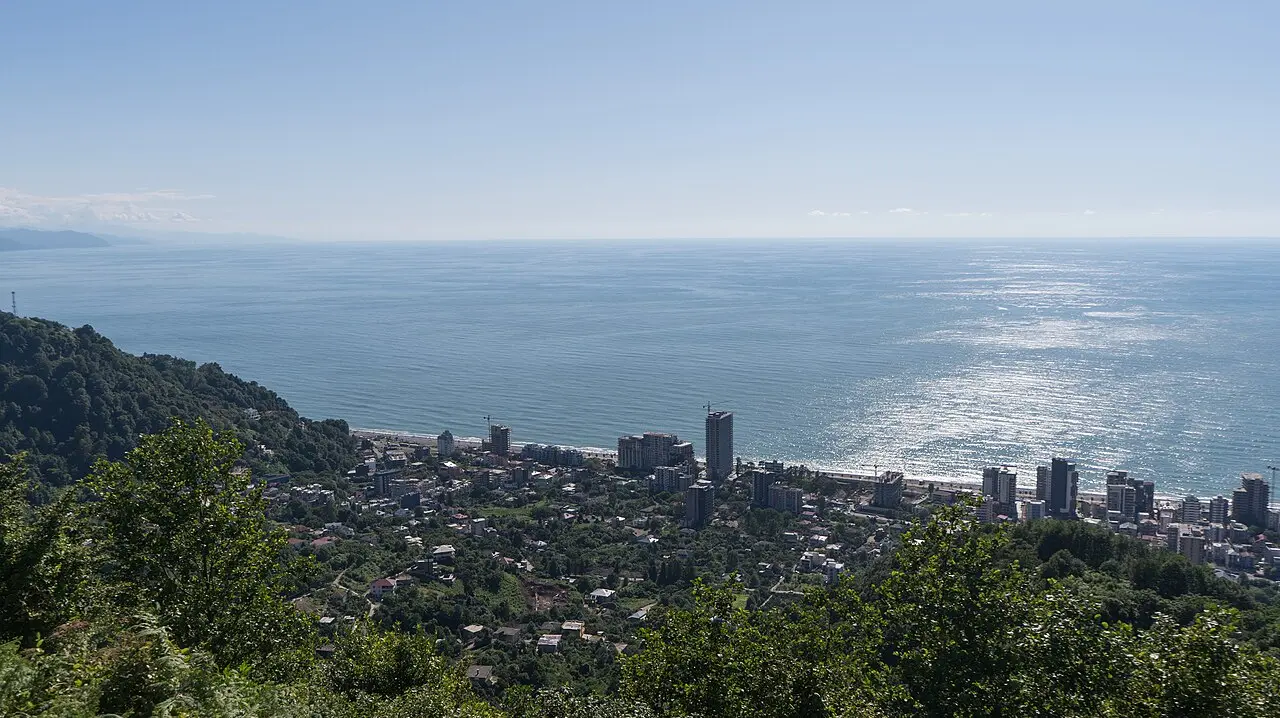
If the city beach in Batumi feels too crowded, three villages next door solve that in different ways. Gonio has clean water and an ancient fort 12-15 km to the south, but it sits right under the airport approach. Kvariati, a little further south, has some of the clearest water near Batumi and its main diving base. Tsikhisdziri, 20 km north, is the quietest and greenest of the three: cliffs, the Petra fortress and beaches that stay empty even in August.
One rule sets up the whole coast: the further south of Batumi you go, the clearer the water. And a detail people forget - every beach in Adjara is pebble, not sand. The sand starts further north, around Ureki, so families chasing a soft shallow shore head one way, and anyone after clear water for snorkelling heads the other. Batumi sits in the middle with its promenade, cafes and crowds, plus a reputation as the rainiest city in Georgia. So people who want to swim in clean water and sleep somewhere quiet usually move out to one of the neighbouring villages - the only question is which one.
Gonio: a fort by the sea, close to the city
Gonio lies about 12-15 km south of Batumi, on the left bank of the Chorokhi River, and it’s probably the easiest compromise. Georgia’s tourism portal calls the water here “clean, pure”, the pebble beach is long, and the setup is already properly touristy: cafes, bars, shops and plenty of places to stay, from guesthouses at the water to hotels on the slopes with a sea view. And the centre of Batumi is only about twenty minutes away by marshrutka (the shared minibus). Evenings in Gonio stay quiet; for a real night out people head back into town for a night out at Teatro.
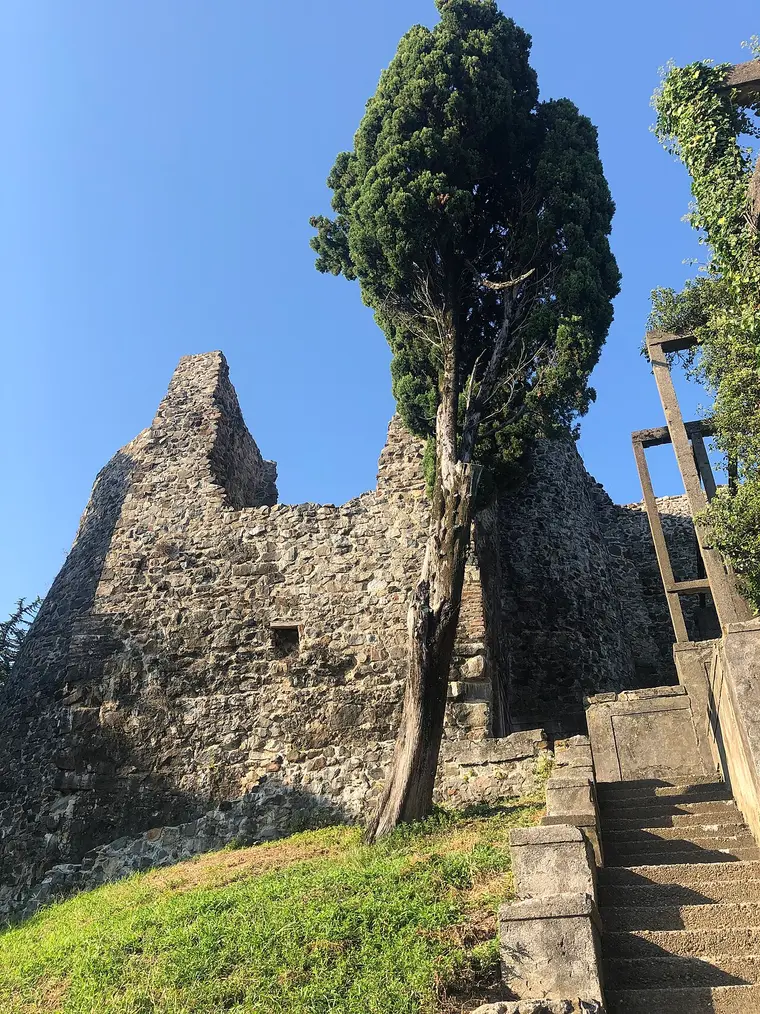
The local landmark stands right at the entrance to the village - the Gonio-Apsaros fortress. This is an ancient Roman-era stronghold, one of the oldest surviving structures in Georgia; the walls have been restored, and inside there is a small museum with finds from the digs - amphorae, coins and fragments of weapons. It’s open roughly 10:00 to 18:00, and the adult ticket is cheap (sources differ, from a few lari up to about 10 GEL, less for students and schoolchildren) - check the exact price at the desk. Allow an hour to an hour and a half with the museum.
The fort has its own legend, too. By tradition the Apostle Matthias - the one chosen to replace Judas among the Twelve - is buried somewhere here, and a marker on the grounds points to the spot, though the grave has never been confirmed by excavation and digging near it’s not allowed. Treat it as a good story rather than a fact, but pilgrims still make the trip.
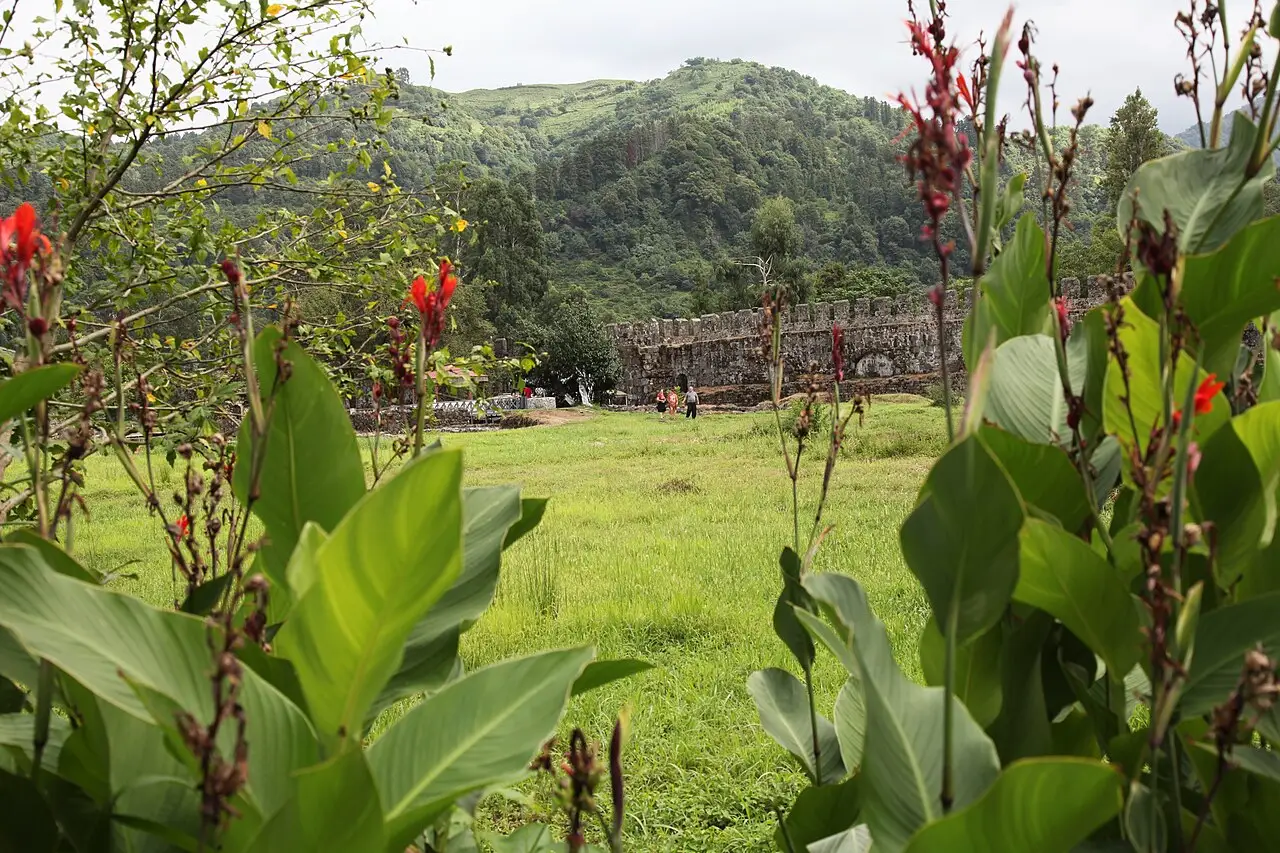
Now an honest caveat the brochures skip. Gonio sits directly under the Batumi airport approach. The runway ends at the shore, about 250 metres from the sea, with mountains on the other side, so planes only take off and land towards the water, passing low over the southern shore. When the schedule is busy, the noise is real. If you want quiet, book away from the shoreline and the flight path, or look towards Kvariati instead. One more thing: Gonio and Kvariati are popular with day-trippers from Turkey, so the beach can get busy at weekends.
Kvariati: clear water and diving
Kvariati is the next village south, about 15-17 km from Batumi, just past Gonio and almost at the border. The shore turns rockier here, and the water is the clearest of the villages right next to Batumi. This is where snorkelling and diving near Batumi really pay off: the depth drops away quickly, and visibility reaches 8-10 metres in good weather. The village has dive centres that run trips and rent out gear.
Divers come here not for coral but for the water itself: a rocky bottom, a sharp drop to depth, and the clarity you never get on the sandy north. For the whole Batumi area, this is where divers head. There’s a bonus, too: from Kvariati the border at Sarpi is a short hop, so people sometimes use the village as a base for a day across into Turkey - to Hopa and on towards Trabzon - and come back to their quiet beach in the evening.
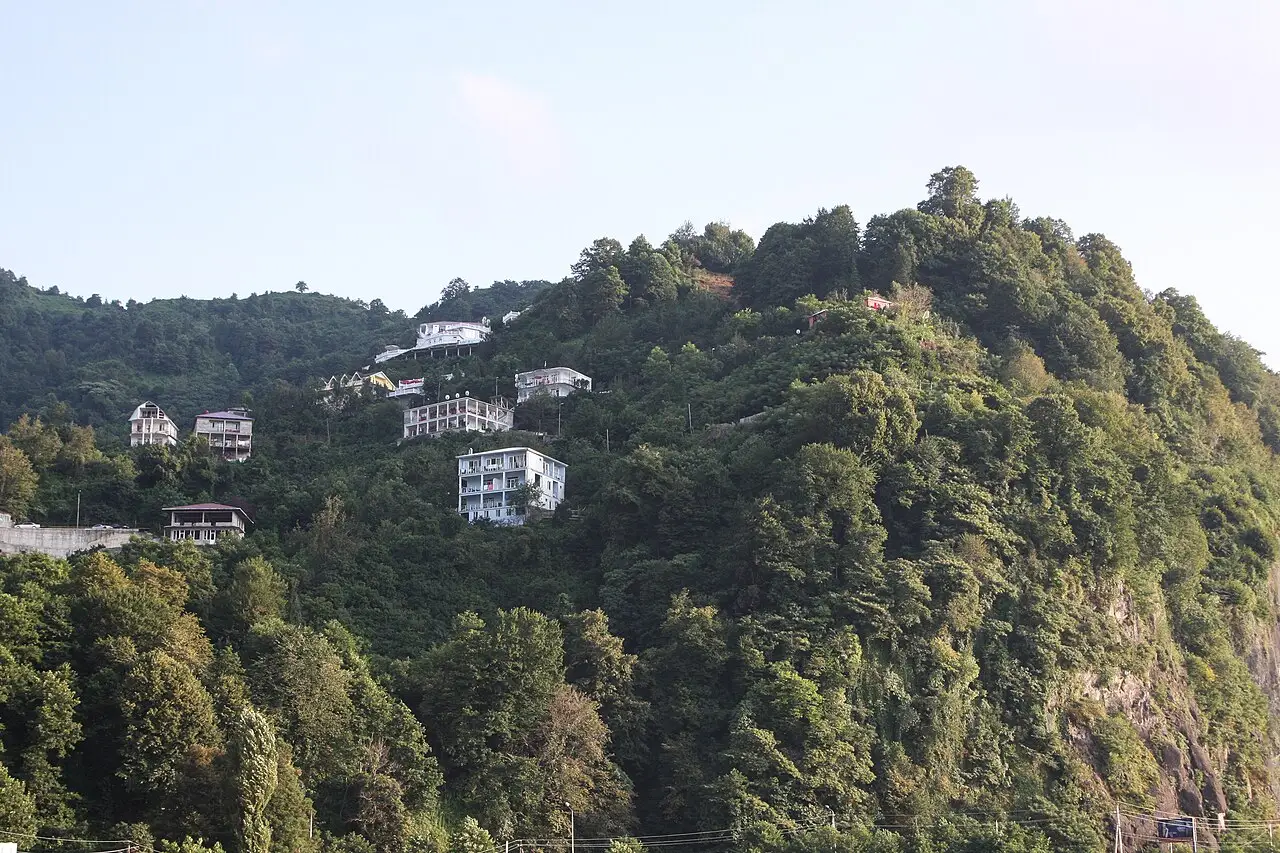
That same quick drop-off is a reason to watch small children - it gets deep close to shore, with none of the warm, shallow shelf you get on the sandy north. For adult swimmers, though, it’s a plus. Steep green hills rise behind the beach, and some of the hotels and guesthouses sit right on them, looking out over the sea and the slopes. The village itself is calm, with none of the city bustle: people come for clean water and quiet, not nightlife.
Tsikhisdziri: quiet, cliffs and the Petra fortress
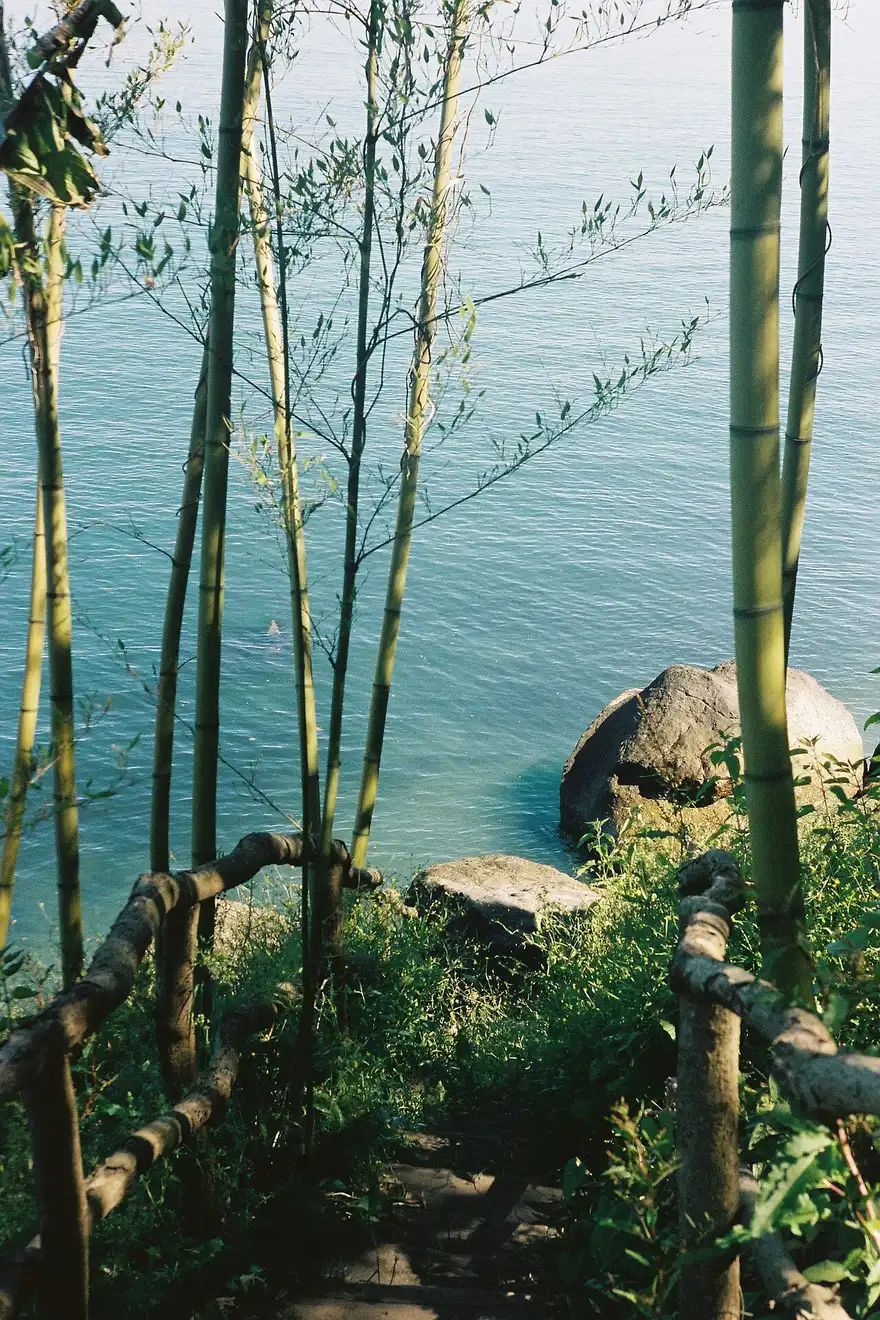
Tsikhisdziri is the other way, about 20 km north of Batumi, short of Kobuleti. It’s the quietest and greenest of the three: an emerald cape, cliffs dropping to the sea, citrus groves, tea plantations and thickets of bamboo. The beaches here are narrow and stony, yet they stay quiet even at the peak of August - and here’s why.
It comes down to the climb. You reach the water either on a path along the cliffs or by a small funicular from a hotel on the rock (the Castello Mare, for one). That barrier is what keeps the crowds thin - passers-by simply don’t wander down. The flip side: some of the accommodation here’s pricey clifftop hotels with a view, so there are fewer cheap options at the water than in Gonio.
The Tsikhisdziri beach itself splits in two - before the clifftop Castello Mare hotel and after it - with a separate path down to each. All around is the subtropical landscape this coast is known for: tea bushes, tangerine groves and stands of bamboo, which can make Tsikhisdziri look more like southern Asia than the Caucasus.
On a rock above the shore stands the Petra fortress - a 6th-century Byzantine stronghold built under Emperor Justinian I (the name comes from the Greek petra, meaning rock). From the walls you look out over the sea and the coast up to Kobuleti; the fortress itself is a picturesque ruin, but the walk up and the panorama are worth it. A second classic panorama of this coast is from the Argo cable car top station above Batumi. The place isn’t just pretty but historic: Petra was fought over hard during the 6th-century Lazic War between Byzantium and Sasanian Persia. The fort on its rock, shielded on one side by the cliff, was considered nearly impregnable; in 551 the Byzantines finally took it and razed the walls so it couldn’t fall to the Persians again. What you see today are the remains of those walls and later buildings.
Which one to choose
To decide by the single thing that matters most:
- Gonio - for a balance of clean water, history on the doorstep and the city close by, if plane noise and weekend crowds don’t bother you.
- Kvariati - if the priority is clear water, snorkelling or diving, and you’re fine with deep water right off the shore.
- Tsikhisdziri - if quiet, greenery and seclusion matter most, you don’t mind the climb down, and you accept that the seafront rooms cost more.
For context: south of Kvariati, right at the Turkish border, sits Sarpi - the water there’s clearer still, but the beach is narrow and cramped. And if you’re travelling with young children after sand and a warm shallow sea, you want the other direction entirely, north to Ureki and Kobuleti (covered in detail in our Georgia with kids guide).
When to go and how to get there
The swimming season on this coast peaks from July to mid-September, and the water is warmest in July and August, when it climbs to 26-27 °C. The first half of September still has a warm sea with fewer people and lower prices; we put the month-by-month water temperature together in the Batumi beaches guide. If you’re planning around a specific month, also see when to visit Georgia.
Getting there is easy, even without a car. Southbound, to Gonio and Kvariati, marshrutkas run from Batumi towards Sarpi and the border, stopping in all the villages. Northbound, to Tsikhisdziri, there are marshrutkas and a coastal train towards Kobuleti. Minibus numbers and train times change, so check them locally. If you would rather move between the villages freely and not depend on a timetable, it’s easier to rent a car.
A couple of practical notes. The beaches are pebble everywhere, so water shoes are worth packing; sunbeds and umbrellas at the bars are paid, and free changing rooms and toilets aren’t everywhere - on the wild stretches there may be none at all. And if you have the choice, come midweek: weekends, especially in Gonio and Kvariati, are noticeably busier. And if the weather turns or the kids tire of pebbles, back in Batumi the dolphinarium in 6 May Park runs indoor shows daily except Monday.
More about the city itself is in the Batumi guide; for the big picture of the whole coast, from Anaklia down to Sarpi, see the best beaches in Georgia overview.
Photos
Admission and opening hours
- Admission price
- Village beaches are free to enter
- Opening hours
- Gonio-Apsaros fortress - roughly 10:00-18:00
The adult ticket to Gonio fortress is cheap (sources differ, from a few lari up to about 10 GEL, less for students and schoolchildren) - check at the desk. Sunbeds and umbrellas at the beach bars are paid, and facilities are not everywhere.
Details checked: July 21, 2026
Read also

What to see · 10 min read
Skiing in Georgia: Gudauri vs Bakuriani
Updated · September 5, 2026Gudauri or Bakuriani: 2025/26 day passes 70 vs 55 GEL, elevations, last season dates, who each resort suits and how to get there.

What to see · 7 min read
Svaneti travel guide: Mestia, Ushguli and towers
Verified · August 25, 2026Svaneti mapped: Mestia vs Ushguli, tower villages, season, and how to link town guides, the trek, and the road from Tbilisi.

What to see · 10 min read
Georgia with kids 2026: family beaches & resorts
Updated · July 18, 2026Georgia with kids: sandy, shallow beaches up north (Ureki, Shekvetili, Kobuleti), amusement parks, when to go and how to plan a family trip.

What to see · 10 min read
Best beaches in Georgia: which coast is right for you
Updated · October 17, 2026Which Georgian beach suits you: sand and shallow water for kids up north (Ureki, Kobuleti), city buzz in Batumi, clear water down south (Kvariati, Sarpi).