
Travel Insurance for Georgia: How to Choose
How to choose travel insurance for Georgia: what your policy must cover, what to check, how a tourist policy differs from a nomad one, and when to buy.
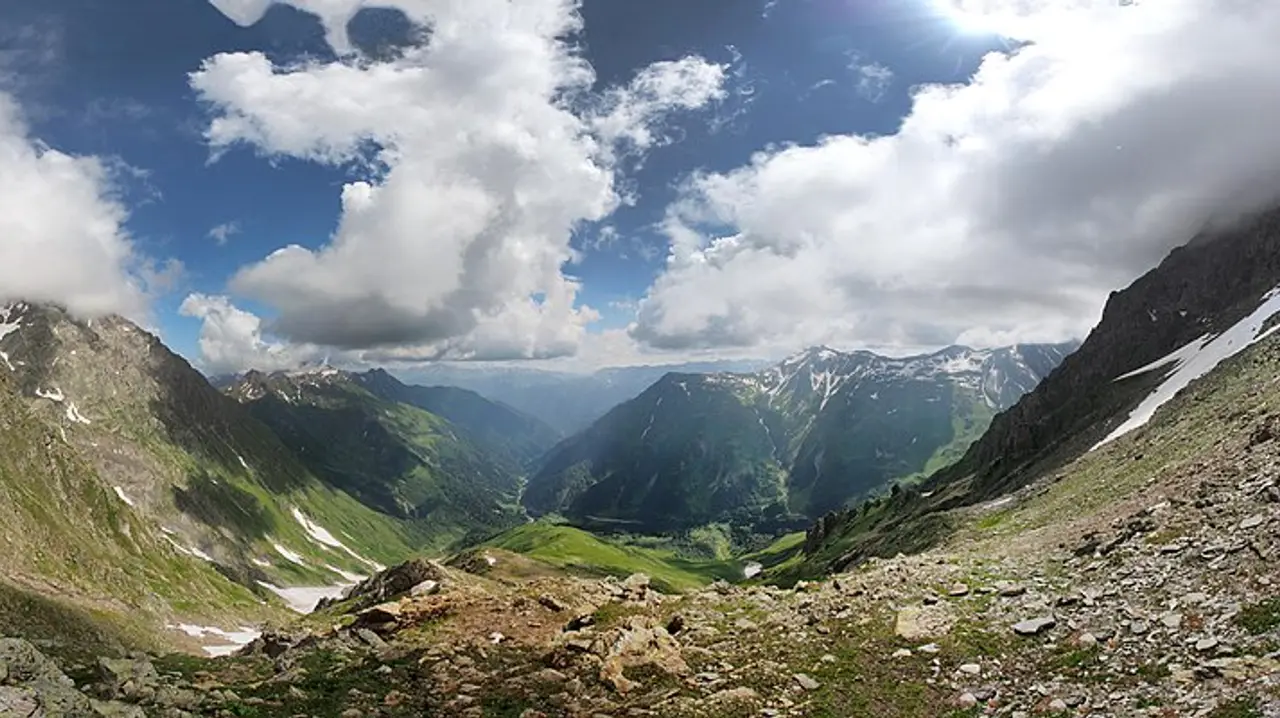
Medical insurance is the easiest thing to forget while packing and the thing you regret at the worst possible moment: a doctor’s visit, a broken bone on the trail or a road accident behind the wheel in a foreign country all come out of your own pocket if you have no policy. Below is how to choose insurance for a trip to Georgia, what actually matters, and how a one-week tourist policy differs from a solution for people who live here for months. We don’t make up exact figures or conditions: they depend on the insurer and the plan, so check them on the booking page.

Do you even need insurance
From a practical standpoint — yes, even when no one formally asks for it. Healthcare in Georgia is paid for foreigners, and the cost of a serious case (hospital stay, surgery, a helicopter evacuation from the mountains) is in no way comparable to the price of a policy. From 2026 an entry requirement to hold medical insurance applies to incoming tourists — we keep the current conditions, minimum coverage and country-by-country nuances in the “Insurance” section and in the news piece on mandatory insurance, because the regulations change from time to time. Always confirm the latest rules with an official source before you travel.
What the policy should cover
The baseline benchmark — what a policy is almost pointless without:
- medical expenses and emergency care for the entire length of the trip (from entry to departure);
- accident cover and, ideally, medical evacuation and repatriation — in a mountainous country this is no formality;
- 24/7 assistance (phone support, coordination with the clinic) — in a foreign language this is critical;
- adventure activities as a separate add-on. Trekking, skiing, rafting and quad bikes are often NOT covered by a basic policy — for those you buy an extension.

What to look at when choosing
- Dates. The policy must cover the whole trip, with no gaps in the dates.
- Coverage amount. There are minimum entry requirements — check the exact figure in the current rules (“Insurance” section) and leave a margin rather than going right to the limit.
- Policy language. A document in English (or Georgian) is easier to present at the border.
- Deductible. Whether there is a non-reimbursable portion and how large — it affects the actual payout.
- Exclusions. Alcohol, chronic conditions, those same adventure activities — read the exclusions section before you buy, not after.
- Purchase format. Online, an instant policy by email, and a clear procedure for filing a claim.
Tourist or relocator: these are different policies
A short trip suits an ordinary tourist policy for specific dates. People who live in Georgia for months find recurring policies more convenient — designed for nomads and long stays, they don’t need to be bought from scratch every time. One such service is SafetyWing; what exactly it covers and how it’s set up is described in the “Insurance” section. Note that availability also depends on your nationality: certain policies aren’t offered to citizens of some countries, so it’s worth comparing a few options by coverage rather than assuming a single product fits everyone.
How and when to buy
Buy in advance, online — not “I’ll pay on arrival”: the policy can be checked at the border and the check-in desk, and some risks (trip cancellation, for example) are only covered if the insurance was purchased before the event. Save the policy in your email and offline on your phone, and note down the assistance hotline number. If you’re driving, look at car insurance (CDW and the deposit) separately in the car rental section: that’s a different policy and doesn’t replace medical cover.
Read also

Tbilisi–Batumi flights: Georgian Airways from June 25
Updated · June 19, 2026From June 25, 2026 Georgian Airways flies Tbilisi–Batumi four times a week, 45 minutes in the air. Days, schedule and how to book a ticket.
Best time to visit Georgia: seasons & weather
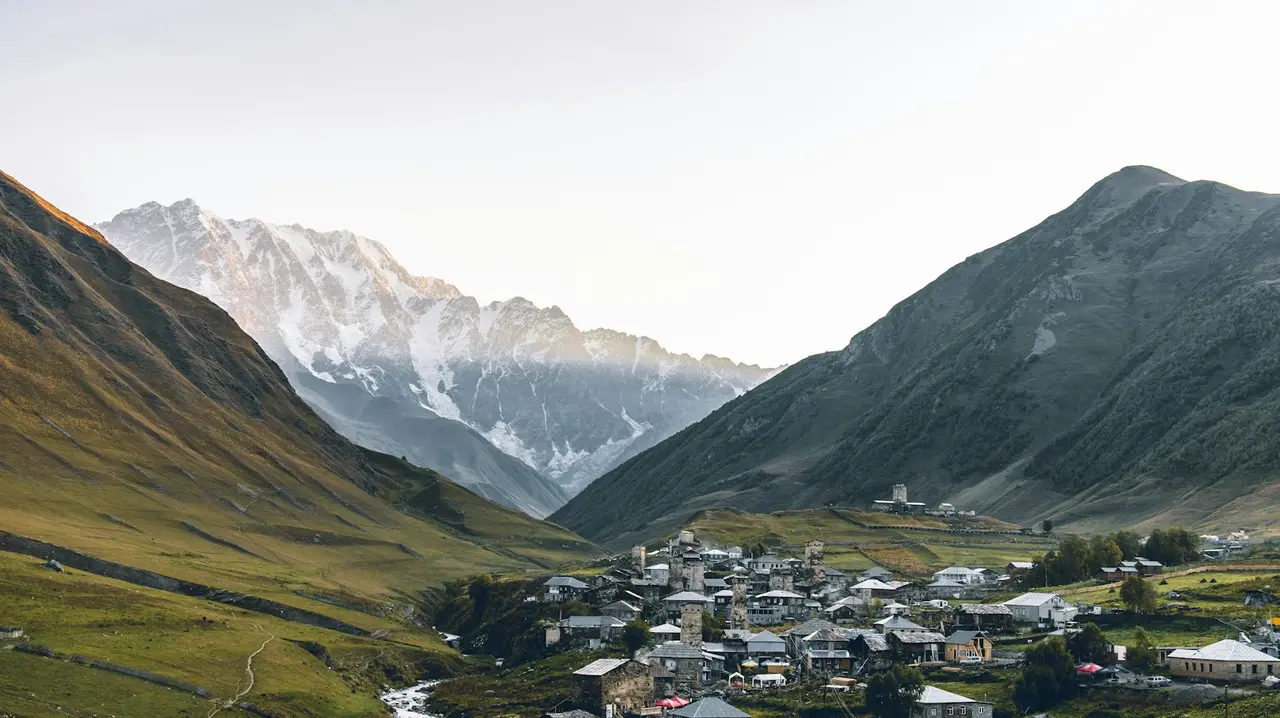
Updated · June 19, 2026The best time to visit Georgia by season — weather, crowds and prices across spring, summer, autumn and winter, plus beaches, skiing and wine.

Batumi Opens Summer with a Festival on June 20–21
Updated · June 19, 2026June 20–21 Batumi opens its summer season with a free festival by the Alphabet Tower: evening music show from 17:00, ~150-maker market, seaside cafes.
Money in Georgia: lari, exchange and cards
Updated · June 19, 2026Money in Georgia: the lari (GEL), where to exchange cash at good rates, card and ATM tips, tipping, and how much cash to carry.