
Georgia Airports: Tbilisi, Kutaisi, Batumi + Transfers
Georgia's three airports - Tbilisi, Kutaisi (Wizz Air's low-cost hub) and Batumi: where they are, how to reach the city and which to pick for your trip.

Georgia has three main international airports - in Tbilisi, Kutaisi and Batumi. They are very different: Tbilisi is the country’s main gateway, Kutaisi is the budget-flight hub, and Batumi is the closest of all to its city and the sea. Which one to choose depends on where you’re heading and how much the ticket price matters.
Tbilisi (TBS)
Tbilisi’s Shota Rustaveli International Airport - named after the 12th-century poet whose epic “The Knight in the Panther’s Skin” is Georgia’s national poem - is the largest in the country, with the most airlines and destinations. It sits about 17 km south-east of the centre; by car or taxi that’s around 20-30 minutes. City bus No. 37 runs into town - the ride to the centre takes longer (a little over an hour), but it’s cheap. This is the most convenient option if your destination is Tbilisi and eastern Georgia. The airport is also mid-expansion: operator TAV Airports extended its concession to 2032 in exchange for a $150 million investment to roughly double passenger capacity, so some construction is likely over the next few years.
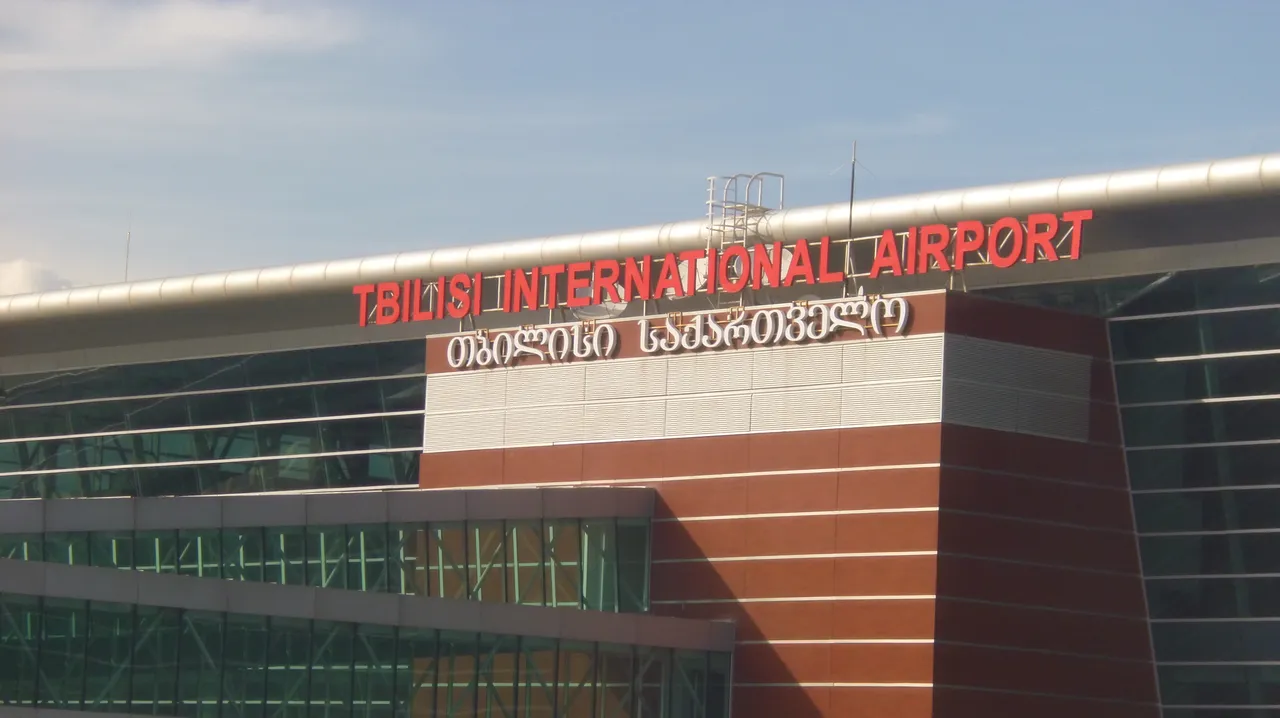
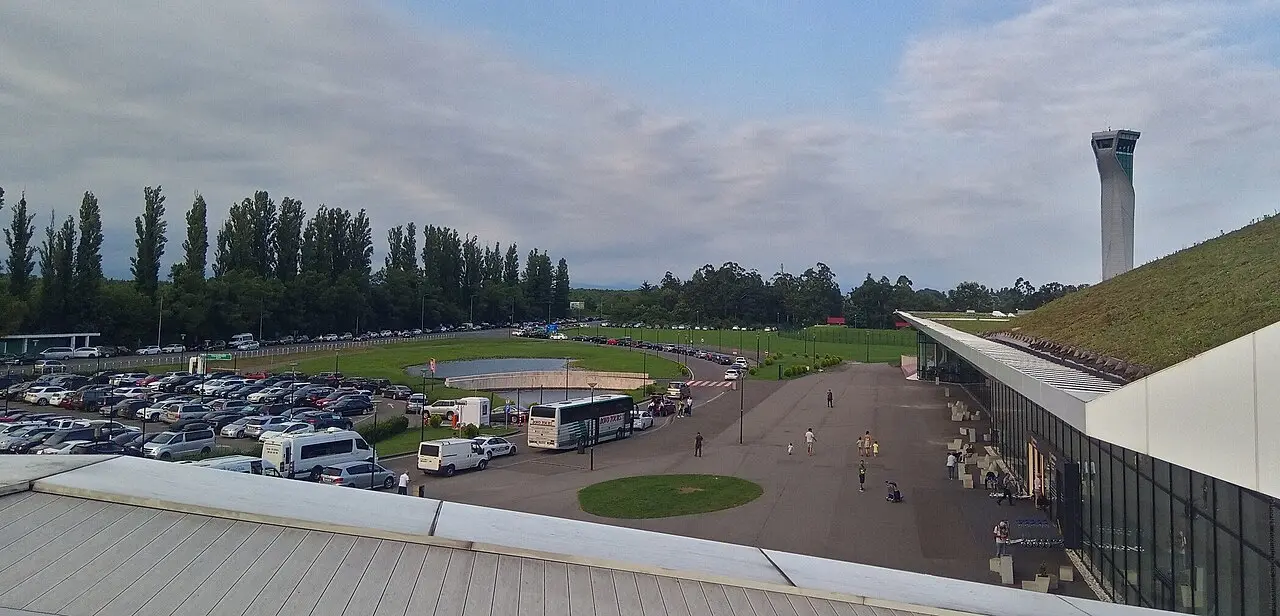
Kutaisi (KUT)
Kutaisi’s David the Builder International Airport - named after the 12th-century king who reunified Georgia - is the country’s main budget-flight hub: Wizz Air flies from here to several dozen European destinations, and tickets are often the cheapest in the region. The downside is its location: the airport is about 20 km from Kutaisi and far from both major resort areas (roughly 230 km to Tbilisi and 140 km to Batumi). On the plus side, transport is well organised: a 24-hour shuttle into Kutaisi, direct flight-timed buses to Tbilisi (around 3.5 h, about 30 GEL) and to Batumi (about 2 h 15 min, around 25 GEL), and a nearby station where the Stadler train stops. The airport itself is fairly new: it reopened in September 2012 after a full rebuild, and Wizz Air turned it into a base in 2016, which is what set off the current run of cheap European connections.
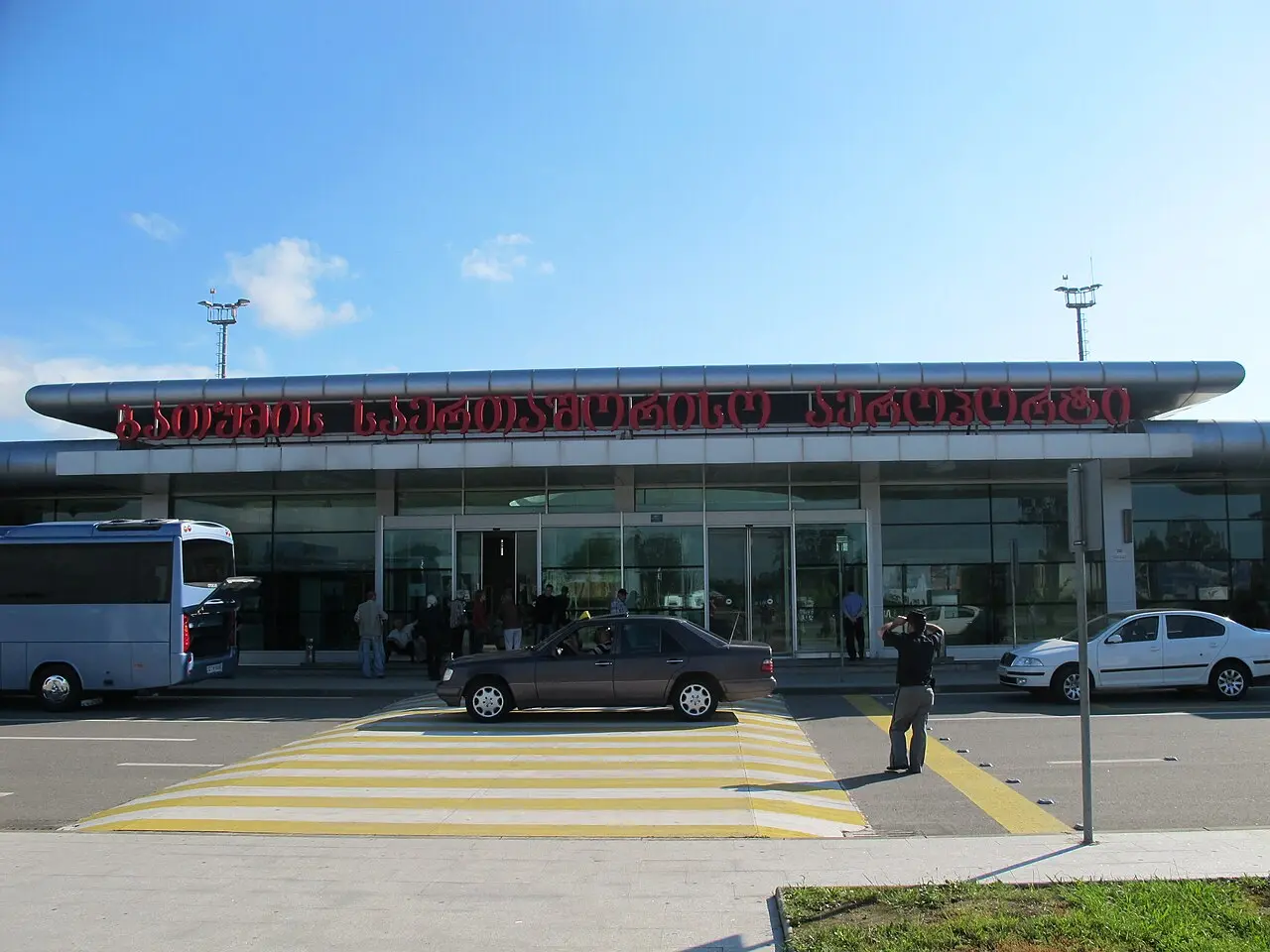
Batumi (BUS)
Batumi’s Alexander Kartveli International Airport is the most “urban” of the three: it’s about 7 km from the centre of Batumi, right by the sea - roughly 10 km by road - and you can reach the city in 10-15 minutes. The airport’s namesake was born in Tbilisi and emigrated to the US, where he designed the P-47 Thunderbolt, one of the most effective Allied fighter aircraft of the Second World War. In season the airport handles international flights plus some domestic ones; in winter the schedule is noticeably leaner. City bus No. 10 runs to the centre (about 20 minutes, around 0.30 GEL); a taxi or Bolt is faster.
.jpg)
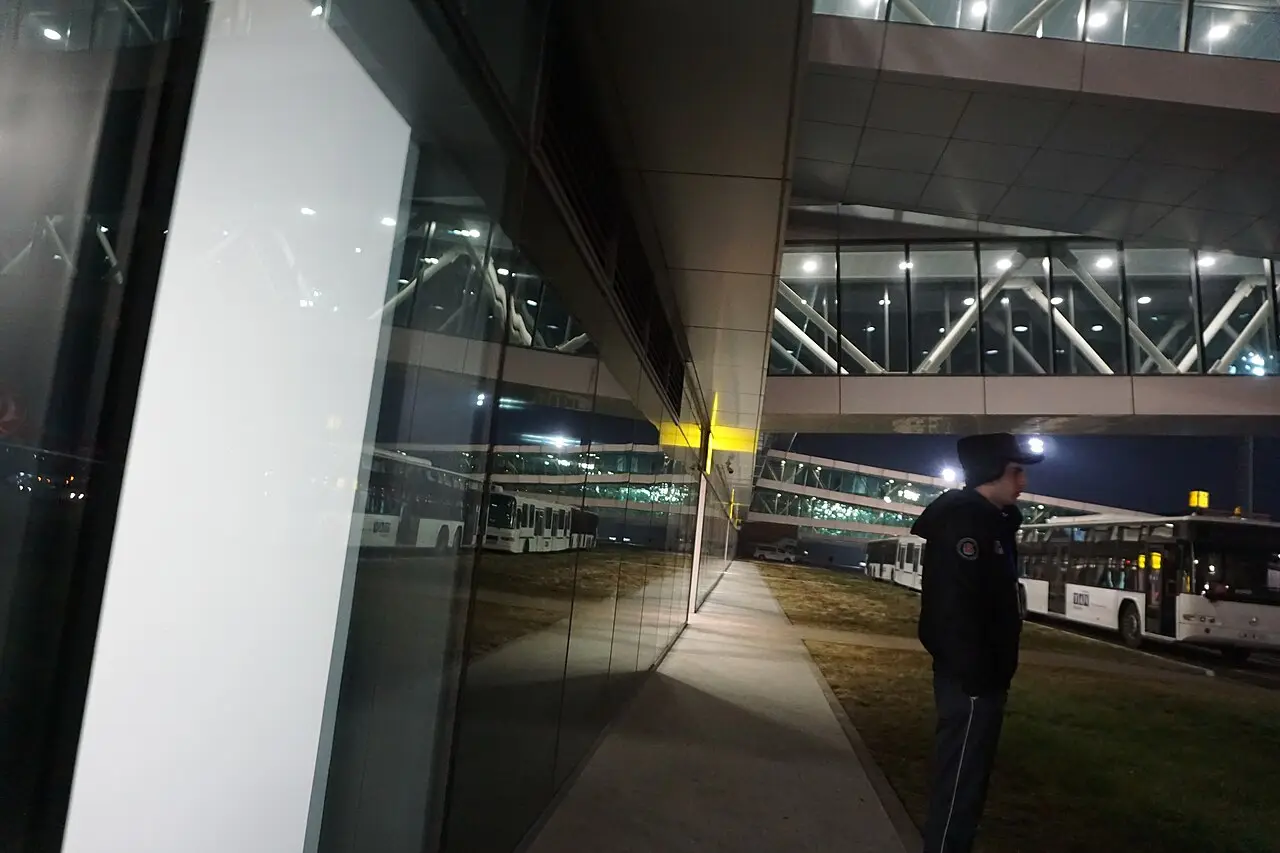
Night arrivals
Low-cost carriers often schedule flights to land late, so it helps to know what waits for you at each airport before you touch down. Kutaisi copes best with this: the shuttles to Kutaisi, Tbilisi and Batumi are timed to flights, including the last ones of the day, so there’s usually a way onward whenever you land - see Kutaisi airport transfers for the detail. Tbilisi is the opposite case: bus 337 runs only 06:59 to 22:59 and there’s no night train, so a late landing here means Bolt, a taxi at the exit or a transfer booked in advance - the full breakdown is in getting from Tbilisi airport. There’s no confirmed night service on Batumi’s city bus either, so treat a late landing the same way: Bolt, a taxi, or a transfer arranged before you fly.
A long layover between flights
Tbilisi and Batumi share an operator - TAV Airports runs both, which is why their lounges carry the same Primeclass brand - while Kutaisi is run by the state-owned United Airports of Georgia and stays deliberately no-frills. Connecting through one of Georgia’s airports with hours to spare, each one offers something different. Tbilisi has the most on offer: a Primeclass lounge in the international terminal, open 24/7, costs 60 EUR including VAT for up to three hours, with food, drinks and Wi-Fi included - useful for an overnight connection. Batumi runs its own Primeclass lounge, past security in the international terminal, for 40 EUR. Kutaisi’s terminal is small and built for a quick turnaround between planes and shuttle buses rather than for waiting around, so a long gap there is better spent in the departures hall with a coffee than planned around lounge comfort.
Entry rules are the same whichever of the three you land at: they depend on your nationality, not on the city. Fly into Kutaisi and continue to Tbilisi or Batumi by bus, and there is no separate border check along the way - you clear passport control once, on arrival. Confirm what applies to your passport in the Georgia visa guide before you fly.
Connectivity works the same way at all three: activate an eSIM before you fly so it’s live the moment you land, or buy a local SIM at an arrivals-area kiosk. ATMs and currency exchange exist at all three airports too, though the rate in the arrivals hall is usually worse than in town - change or withdraw just enough to cover the transfer and do the rest once you’re in the city.
When flying into Kutaisi and busing onward pays off
A Kutaisi ticket is often the cheapest way into the country from Europe, but the onward leg adds real time and money: budget the roughly 30 GEL and 3.5-4 hours to Tbilisi, or 25 GEL and about 2 hours 15 minutes to Batumi, on top of the flight itself. If the Kutaisi fare beats a direct ticket to Tbilisi or Batumi by more than that bus ride costs, flying into Kutaisi still wins - especially early in a trip, when a few extra hours on the road aren’t a real cost. It stops being worth it if you land at night with plans in the capital the next morning, or if the saving barely covers the transfer - in that case, check fares straight into Tbilisi or Batumi before assuming Kutaisi is the cheaper route.
Which airport to choose
| Factor | Tbilisi (TBS) | Kutaisi (KUT) | Batumi (BUS) |
|---|---|---|---|
| Distance to its city | ~17 km | ~20 km | ~7 km |
| Cheapest way in | city bus 337 | flight-timed shuttle | city bus 10 |
| Flight network | widest, most airlines | Wizz Air low-cost hub | seasonal, thinner in winter |
| Best for | Tbilisi and eastern Georgia | the cheapest ticket from Europe | the coast, if your dates fit the season |
- Flying to Tbilisi and the east - pick Tbilisi (TBS): more flights and closer to the capital.
- Looking for a cheap ticket from Europe - check Kutaisi (KUT), but budget time and money for the journey on to Tbilisi or Batumi.
- Heading for the sea - Batumi (BUS) is the handiest, almost in the city itself; but check whether your flight runs in the off-season.
There’s no wrong choice here, only trade-offs: the price you pay is usually either a longer ride after you land or a shorter list of flight options to pick from. Ticket prices, buses and schedules change over time - confirm them before you travel on the airport and carrier websites. For getting between cities once you’re here, see how to get from Tbilisi to Batumi; for travelling by your own car, the car hire section will help.
Read also

Transport · 13 min read
Kutaisi Airport to Gudauri 2026: 4 h, Shuttle, Transfer, Car
Verified · October 24, 2026Kutaisi airport to Gudauri: 309-310 km, about 4 h by road. A 30 GEL coach to Tbilisi and a marshrutka, a transfer timed to your flight, the winter bus.

Transport · 12 min read
Trains in Georgia: routes, tickets, express
Updated · October 17, 2026Georgian Railway in 2026: the Tbilisi-Batumi Stadler in about 4 hours from 35 GEL, how to buy on gr.com.ge, and which other routes still run.

Transport · 12 min read
Tbilisi to Gudauri 2026: Marshrutka, Taxi, Transfer
Updated · August 29, 2026Tbilisi to Gudauri for ski season: marshrutka 15 GEL, transfer 190-320 GEL per car, 120 km in 2-2.5h. Winter tyre law, closures, what to pick.

Transport · 10 min read
Tbilisi to Kutaisi 2026: train, bus, transfer
Updated · August 24, 2026Getting from Tbilisi to Kutaisi: train to Rioni station, marshrutkas from Didube, driving and transfers - times, prices and what to pick in 2026.