
Best beaches in Georgia: which coast is right for you
Which Georgian beach suits you: sand and shallow water for kids up north (Ureki, Kobuleti), city buzz in Batumi, clear water down south (Kvariati, Sarpi).
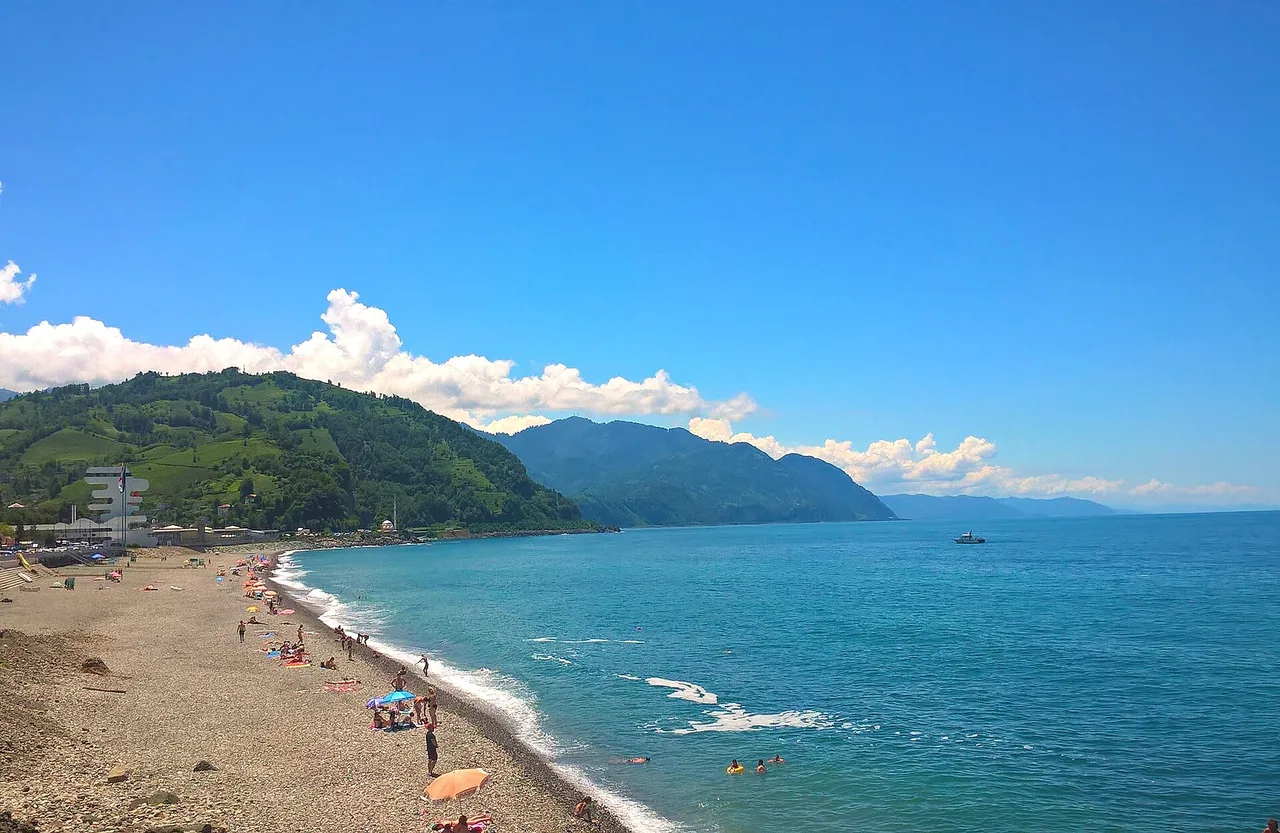
The short version of who goes where: for sand and warm shallow water for kids, head north into Guria - Ureki, Shekvetili, plus the long, gentle beach at Kobuleti. For buzz, a promenade and everything on your doorstep, Batumi sits in the middle. For the clearest water for snorkelling and diving, go to the southern Adjara villages - Gonio, Kvariati, Sarpi. And for quiet and solitude, the wild coves under the cliffs of Tsikhisdziri and Green Cape. Below, each stretch of coast, what sets it apart and how to choose.
Georgia’s coast runs from Anaklia in the north, near the Abkhazia boundary, down to Sarpi in the south at the Turkish border. Batumi and the villages right next to it (Mahinjauri, Gonio, Kvariati, Sarpi) get their own deep dive in the Batumi and Adjara beaches guide; this page steps back for the whole picture, so you can work out which part of the coast is actually yours.
The one rule: sand up north, pebbles and clear water down south
If you remember one thing about the Georgian seaside, make it this. North of Batumi, in Guria, the beaches are sandy - fine, dark, often magnetic sand, a gentle slope into the water, and a sea that warms up faster. This is the coast for families with young children. From Kobuleti southward through Adjara the beaches turn to pebbles, and the water gets clearer the closer you get to the Turkish border. So the rule of thumb is simple: want sand and a long shallow shelf, go north; want clear turquoise for snorkelling, go south; want cafes, a boulevard and nightlife within reach, Batumi sits right in the middle.
One more thing worth knowing in advance: on the pebble beaches of Adjara, water shoes aren’t a luxury, they’re a necessity. And Batumi is the rainiest city in Georgia, so a short downpour can roll in even in mid-July - a beach-only plan is worth backing up with a rainy-day idea.
Sandy north for families: Ureki, Shekvetili, Grigoleti
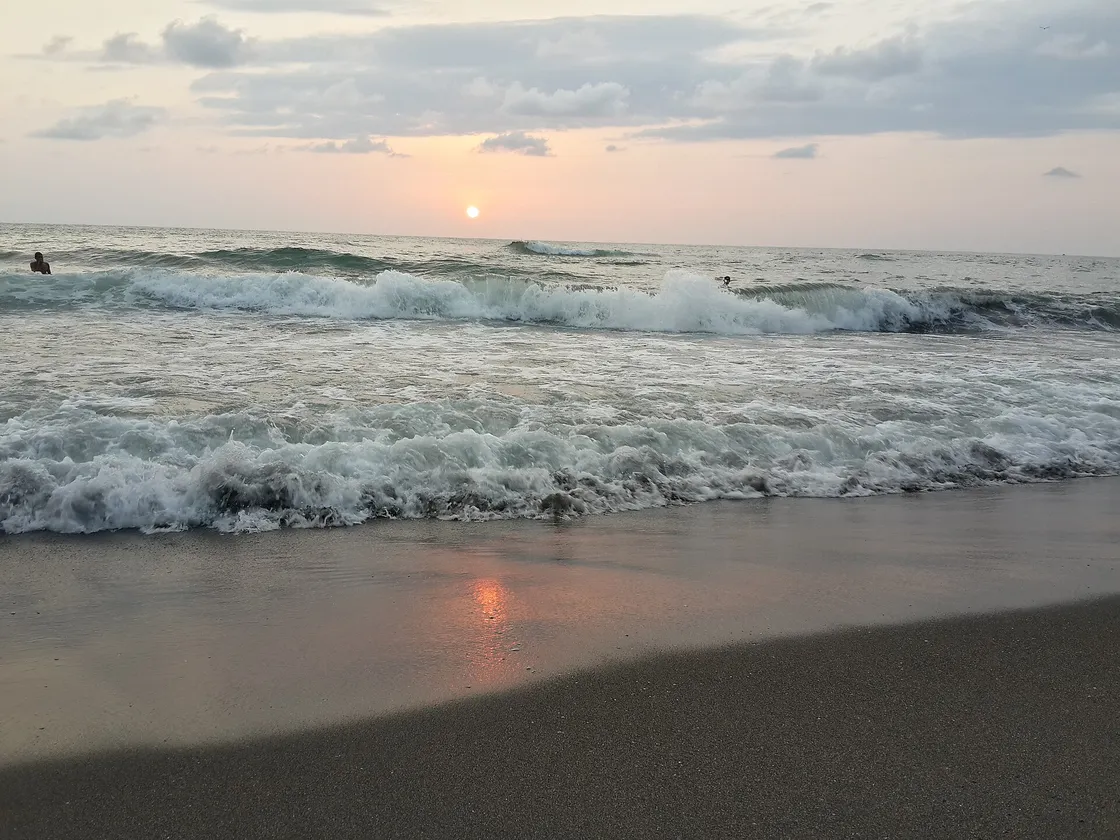
Ureki is the best-known sandy resort in the country, and the sand is only half the story. The shore here, and for a few kilometres on through Magnetiti to Shekvetili, is covered in grey-black sand rich in magnetite: the minerals here carry a noticeable magnetic charge, which is why the beach is nicknamed “magnetic”. The local wellness tradition is sand therapy - people are buried in the warm magnetic sand (at the sanatorium there’s a small fee for it), and it’s believed to help with circulation, joints and nerves. To be straight with you: solid scientific proof is thin, and there are contraindications (cancer, tuberculosis, blood disorders, severe asthma), so if you have a chronic condition, ask a doctor first. For an ordinary family holiday, though, Ureki delivers what it should: soft sand, warm shallow water, an easy walk-in. Ureki’s summer season starts in June and lasts until the middle of September, according to Georgia’s national tourism portal (checked 17 October 2026); which month is best for swimming along the whole coast, by water and rain, is in our guide to when to swim in Georgia.
Shekvetili sits a few kilometres south, between Ureki and Kobuleti, and it’s arguably the best base for a family with kids on the whole coast. Same black magnetic sand and pines by the shore, but wrapped around it’s a full set of distractions: the Tsitsinatela amusement park, a Park of Miniatures with models of Georgian landmarks next door, the vast Black Sea Arena concert venue (the largest open-air concert hall in the Caucasus, about 9,000 seats) and a shady arboretum planted with trees brought from all over Georgia. In other words, even if the kids tire of the sea, no one is going to be bored. If you are travelling specifically with young children, our Georgia with kids guide weighs each northern resort against a Batumi base and flags the months that suit them best.
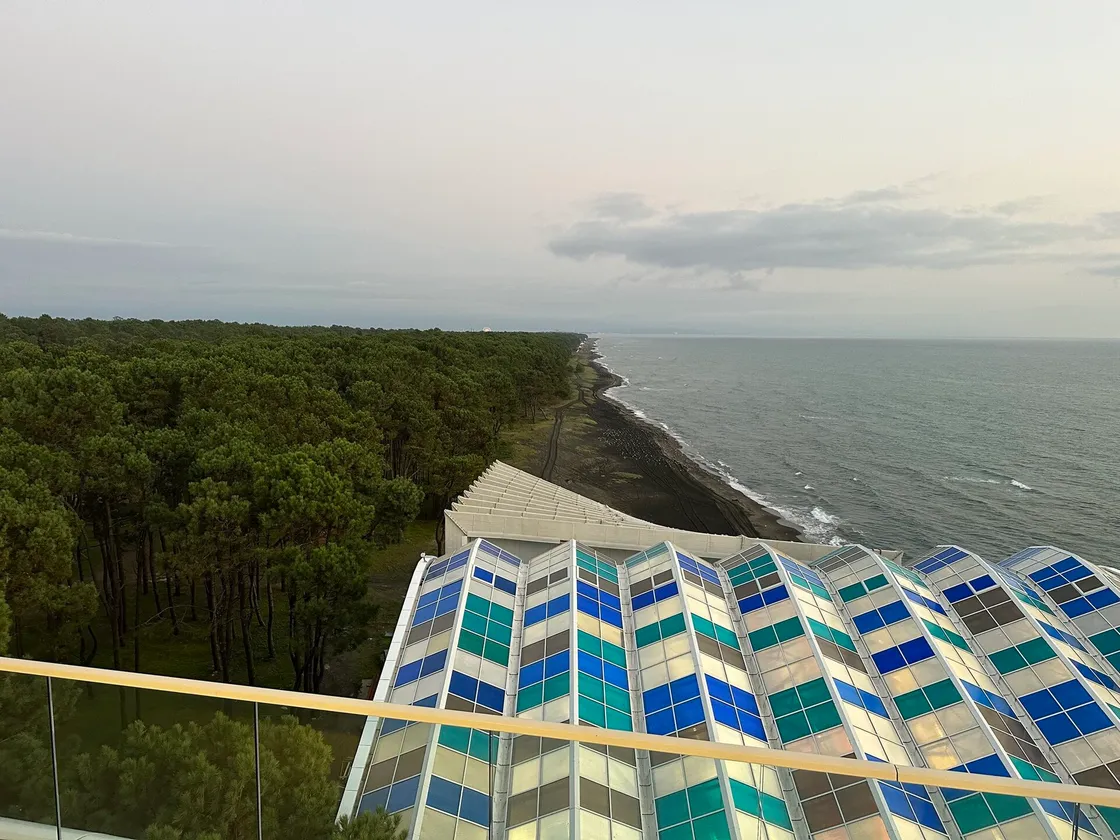
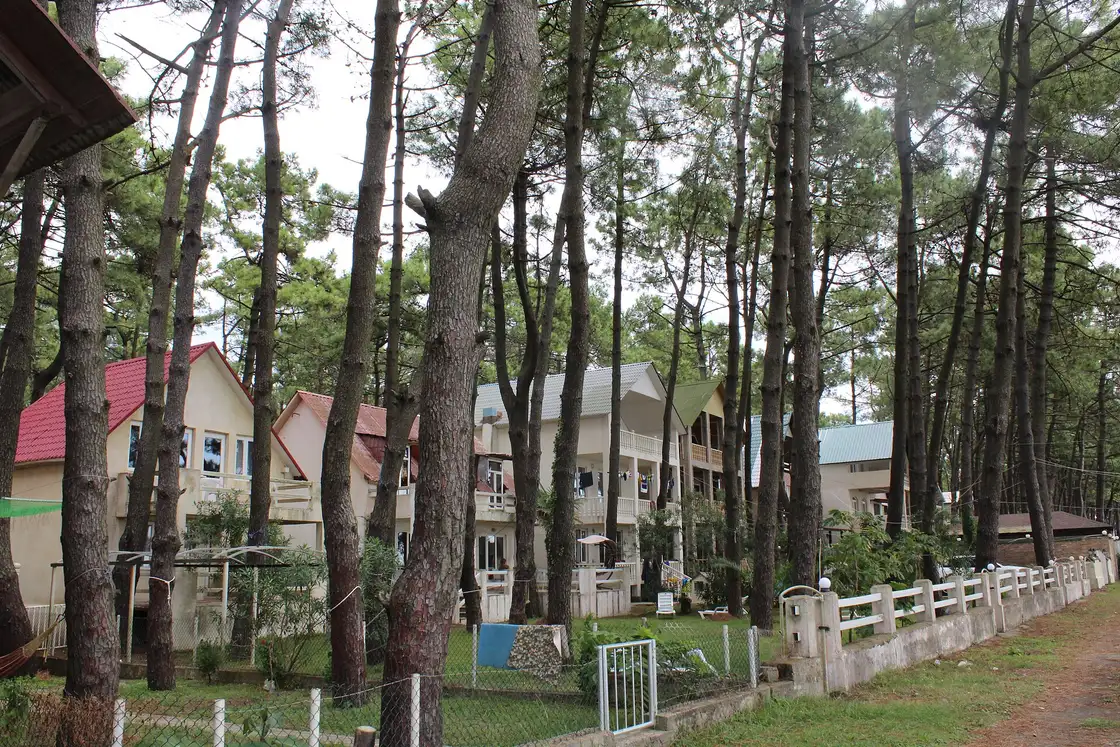
Grigoleti is right next door but a different character: a quiet village where a pine forest reaches almost to the water, with the same dark, magnetic sand. This is where you go for a calm family stay with no parks and no crowds - shade from the pines, shallow water and a minimum of fuss. Further north still, over in Samegrelo near the Abkhazia boundary, lies Anaklia - a young, deliberately “green” resort with a shore of dark pebbles fading to fine magnetic sand at the waterline; it’s a long way from Batumi and Adjara, so most people visit it on its own rather than as an add-on. It pairs well with our Samegrelo road trip - the Dadiani Palace in Zugdidi and a boat ride through Kolkheti National Park make an easy weekend.
Kobuleti: a long, gentle shore and Soviet-era classic
Kobuleti stands apart - it’s already Adjara and already pebbles (dark pebbles mixed with sand, to be precise), but the shore is long and gently shelving, and the resort has always been a family one. Georgian families have summered here since Soviet times, and it shows: a seafront boulevard lined with palms and magnolias runs along the water, and the shells of old sanatoriums stand between the newer hotels. The water warms to about 27 °C by August - the same as Batumi, since the sea warms almost uniformly along the coast. July and August are peak - warm and lively, but also the busiest and priciest. Water shoes come in handy here too.
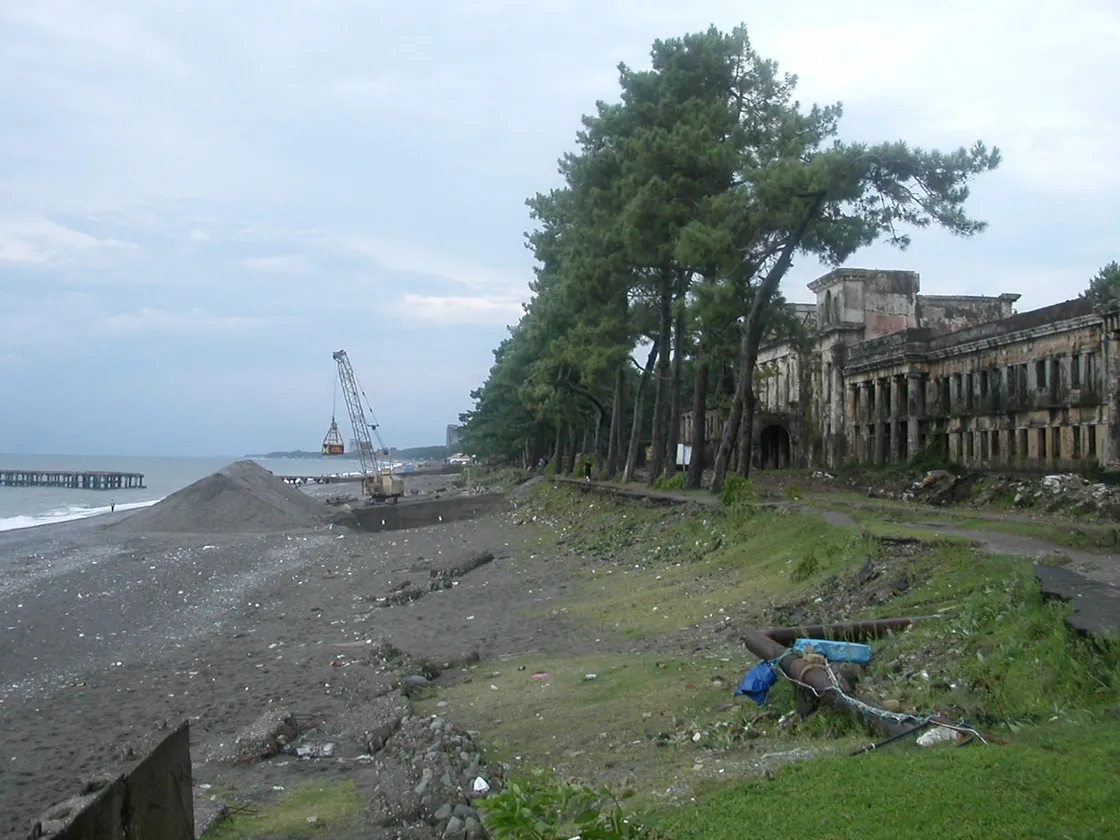
Batumi: buzz, a promenade and everything on your doorstep
The city beach in Batumi is pebble and right in the centre, running along a long boulevard of cafes, cycle paths and singing fountains. The upside is obvious: everything is close - the sea in the morning, the Botanical Garden by day, the promenade in the evening, and for kids the dolphinarium or 6 May Park. The downside is just as obvious: in season this is the busiest stretch of the whole coast. People pick Batumi not for solitude but because it’s the only real city on the coast - with nightlife, restaurants and casinos. If you want to combine “lie by the sea” with “always something to do”, this is your spot.
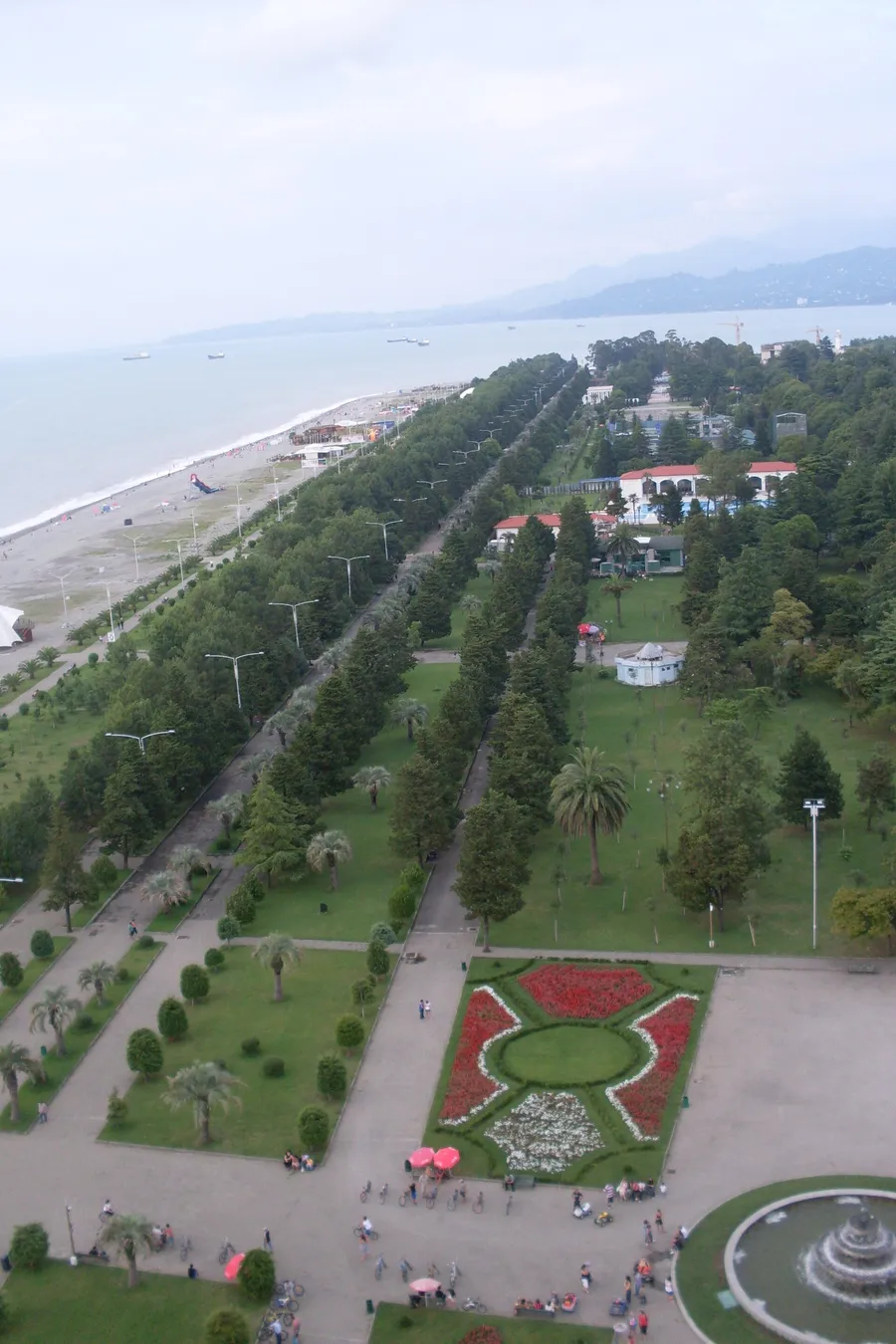
Clear water down south: Gonio, Kvariati, Sarpi
South of Batumi is where the “snorkelling coast” begins, and Georgia’s tourism portal calls the water at Gonio “clean, pure”. Gonio is about 12 km from the city: a long pebble beach with the ancient Gonio-Apsaros fortress right by the water, known since Roman times. A rare mix of beach and genuine history. One caveat for families: the walk-in at Gonio is fairly steep, so with small children keep to the southern end of the village, closer to Kvariati.
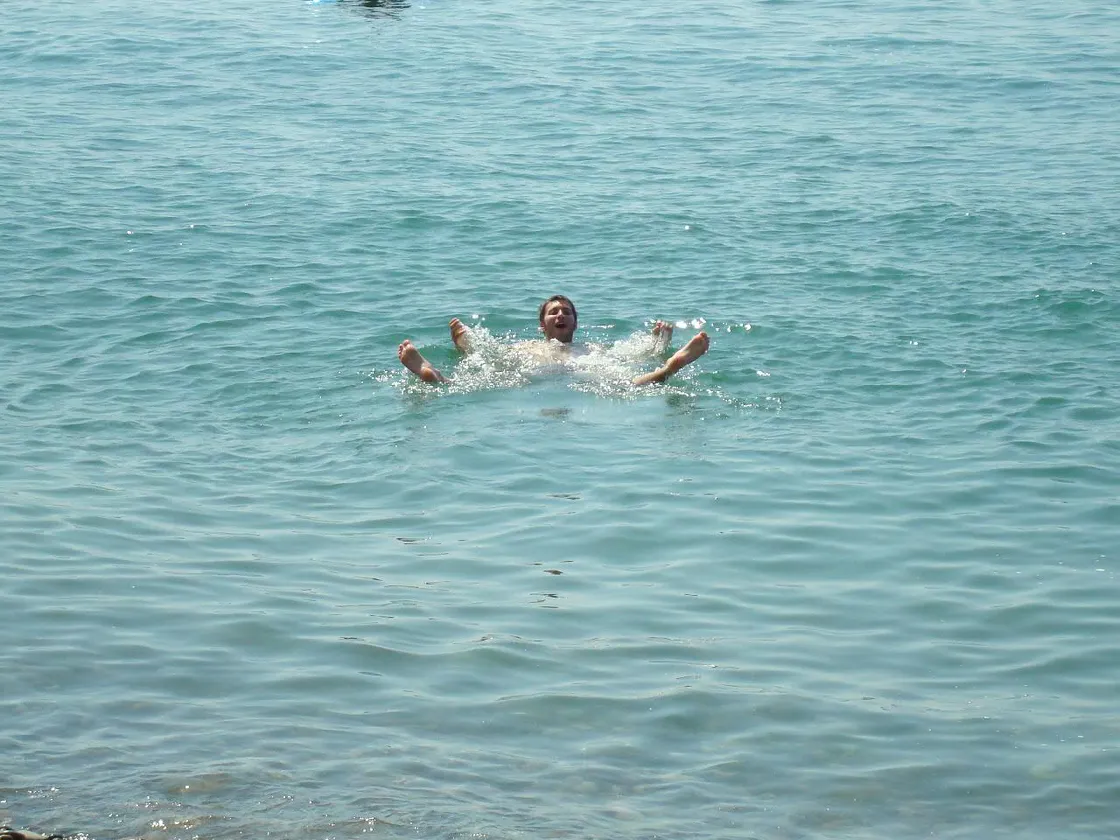
Kvariati is roughly 15 km south, a quiet village with a pebble shore and clean, clear water. It has the only diving centre in Adjara, and the beach is calm, with no pushy vendors. A small honest disclaimer: the ads love to call Kvariati “the cleanest sea in Georgia”, but reviews suggest that’s mostly marketing - the water here’s great, but neighbouring Sarpi is the one that actually holds the “clearest” title. For where to base yourself among these southern villages, see our guide to resorts near Batumi.
Sarpi is the southernmost beach, right at the Turkish border crossing. The shore is narrow and pebbly, but the water is the most turquoise and transparent on the whole coast, and a big rock rises out of the sea for jumping off; there are set-up diving spots too. If your goal is clear water and snorkelling rather than sand, this is where to head.
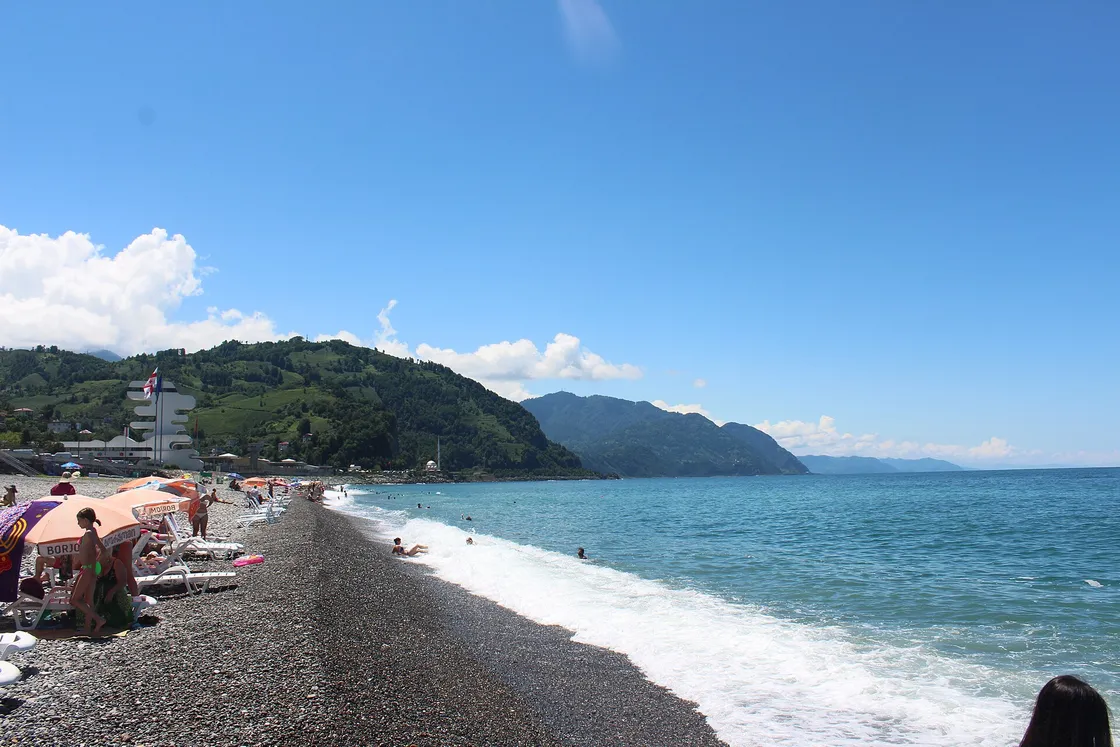
Quiet coves and cliffs: Tsikhisdziri and Green Cape
Between Kobuleti and Batumi the coast breaks into green headlands, and the most secluded beaches hide in their folds. Tsikhisdziri has pebble coves under wooded cliffs, with the ruins of the Byzantine Petra fortress standing above the sea; from here you look out over the long beach of Kobuleti, the water is clean and there are few people about. Green Cape (Mtsvane Kontskhi), by the Batumi Botanical Garden, is known for its wild, undeveloped coves: usually no facilities, but no crowds either. Nearby Chakvi sits among tea plantations, where the coastal train runs right by the water. This is the coast for anyone who values quiet and clean water over a sunbed and a cafe close by.
When to go for the sea
At Batumi the official peak of the swimming season is July to mid-September (Georgia’s national tourism portal, checked 17 October 2026). A rough guide to water temperature on the southern shore:
| Month | Sea temperature | Swimming |
|---|---|---|
| May | ~16 °C | chilly, for the hardy |
| June | ~22 °C | season opens, pleasant |
| July | ~26 °C | warm, peak season |
| August | ~27 °C | the warmest month |
| September | ~25 °C | still warm, fewer people |
| October | ~21 °C | cooling off, swim early in the month |
The sweet spot is early September: the water still holds around 25 °C, while the July-August crowds and prices have eased. For more on seasons and regional weather, see when it’s best to visit Georgia. The water figures are approximate; check for the specific year.
What to choose, in short
- With kids, want sand and shallow water: Ureki, Shekvetili (plus amusement parks), Grigoleti, the long gentle shore at Kobuleti.
- After buzz, a promenade and everything close: Batumi.
- For clear water, a mask and diving: Kvariati, Sarpi, Gonio.
- For quiet and solitude: the wild coves of Tsikhisdziri and Green Cape.
Getting there and what to keep in mind
The coast is neatly strung along a single road and railway line, so you can reach most beaches without a car - by coastal trains and marshrutkas from Batumi and Kutaisi. But for freedom along the shore, especially if you want to compare a few beaches in one trip, renting a car is easier. Entry to public beaches is free; only the sunbeds and umbrellas at the bars are paid, and changing rooms and toilets aren’t everywhere - don’t count on them at the wild beaches. And don’t forget water shoes: half the coast is pebbles.
Photos
Admission and opening hours
- Admission price
- City and village beaches are free to enter
Sunbeds and umbrellas at the beach bars are paid; changing rooms and toilets are not everywhere, especially on the wild beaches. Check prices and facilities on the spot.
Details checked: July 16, 2026
Read also

What to see · 10 min read
Skiing in Georgia: Gudauri vs Bakuriani
Updated · September 5, 2026Gudauri or Bakuriani: 2025/26 day passes 70 vs 55 GEL, elevations, last season dates, who each resort suits and how to get there.

What to see · 7 min read
Svaneti travel guide: Mestia, Ushguli and towers
Verified · August 25, 2026Svaneti mapped: Mestia vs Ushguli, tower villages, season, and how to link town guides, the trek, and the road from Tbilisi.

What to see · 9 min read
Resorts near Batumi: Gonio, Kvariati & Tsikhisdziri
Updated · September 2, 2026Where to stay near Batumi for cleaner, quieter beaches: Gonio and its Roman fort, Kvariati for diving, and secluded clifftop Tsikhisdziri - how to choose.

What to see · 10 min read
Georgia with kids 2026: family beaches & resorts
Updated · July 18, 2026Georgia with kids: sandy, shallow beaches up north (Ureki, Shekvetili, Kobuleti), amusement parks, when to go and how to plan a family trip.