
Gori: Stalin Museum and the Uplistsikhe cave city
Gori in Shida Kartli, where the Kura meets the Liakhvi: a hilltop fortress, the Stalin museum and the Uplistsikhe cave city nearby.
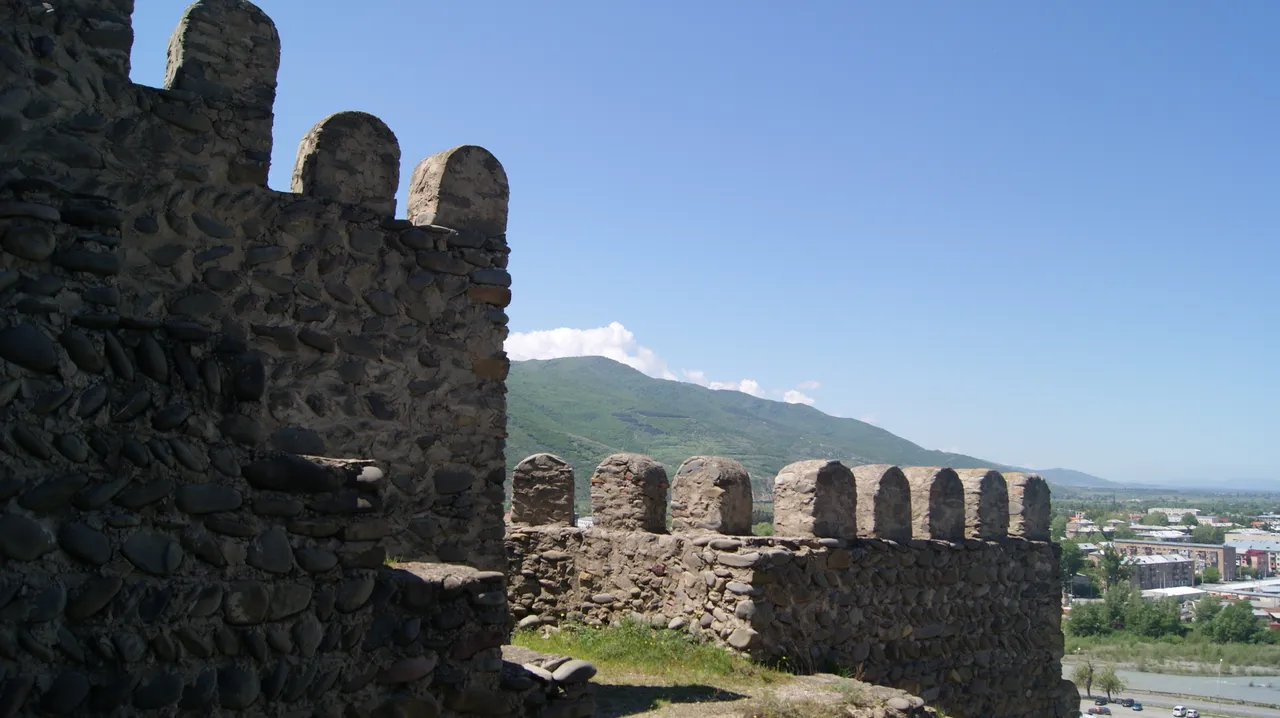
Gori is Georgia’s fifth-largest city and the centre of the Shida Kartli region, 86 km west of Tbilisi, where the Kura (Mtkvari) and the Liakhvi meet. Above the city, on a steep rocky hill, rises a medieval fortress, and the city’s name comes from the Georgian word for “hill”. For most travellers Gori is a stop on the way west and the gateway to the cave city of Uplistsikhe.
Gori Fortress
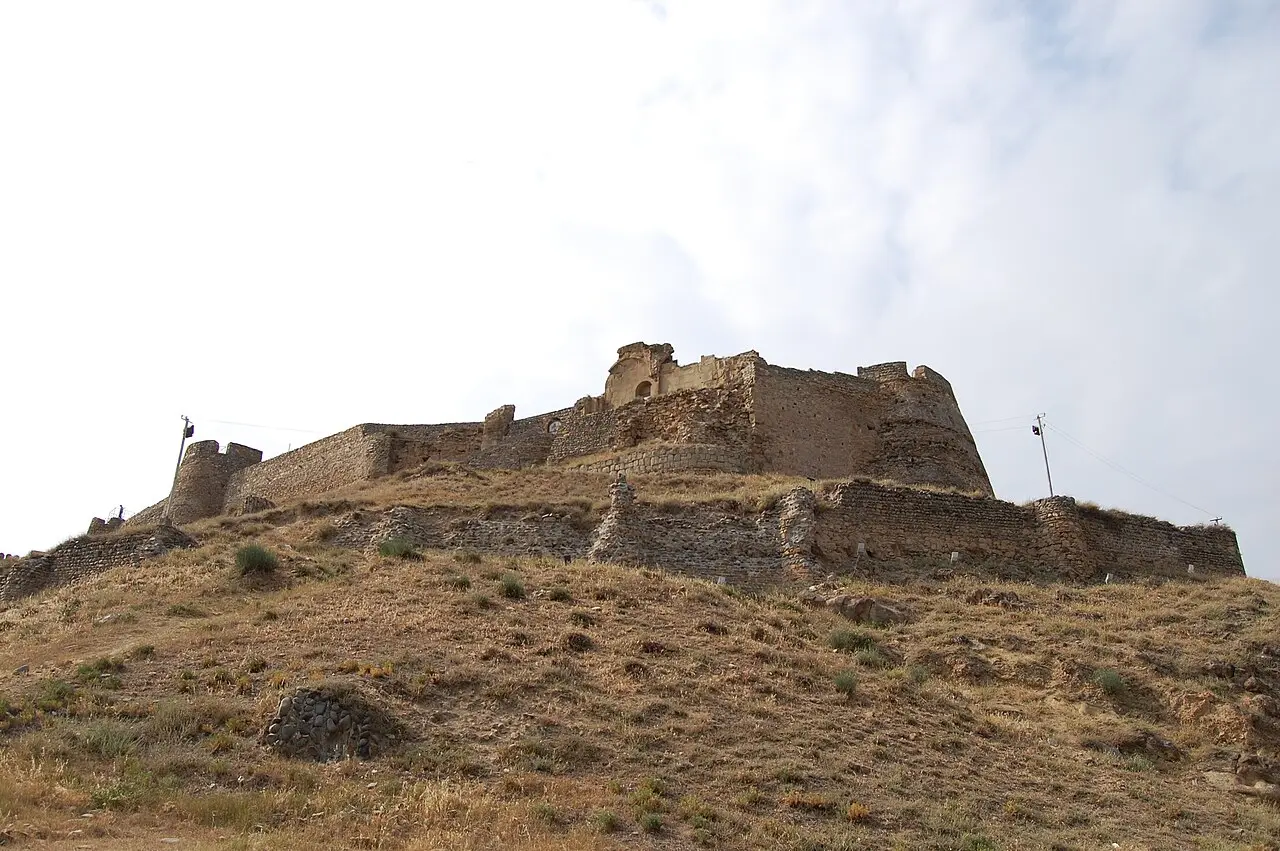
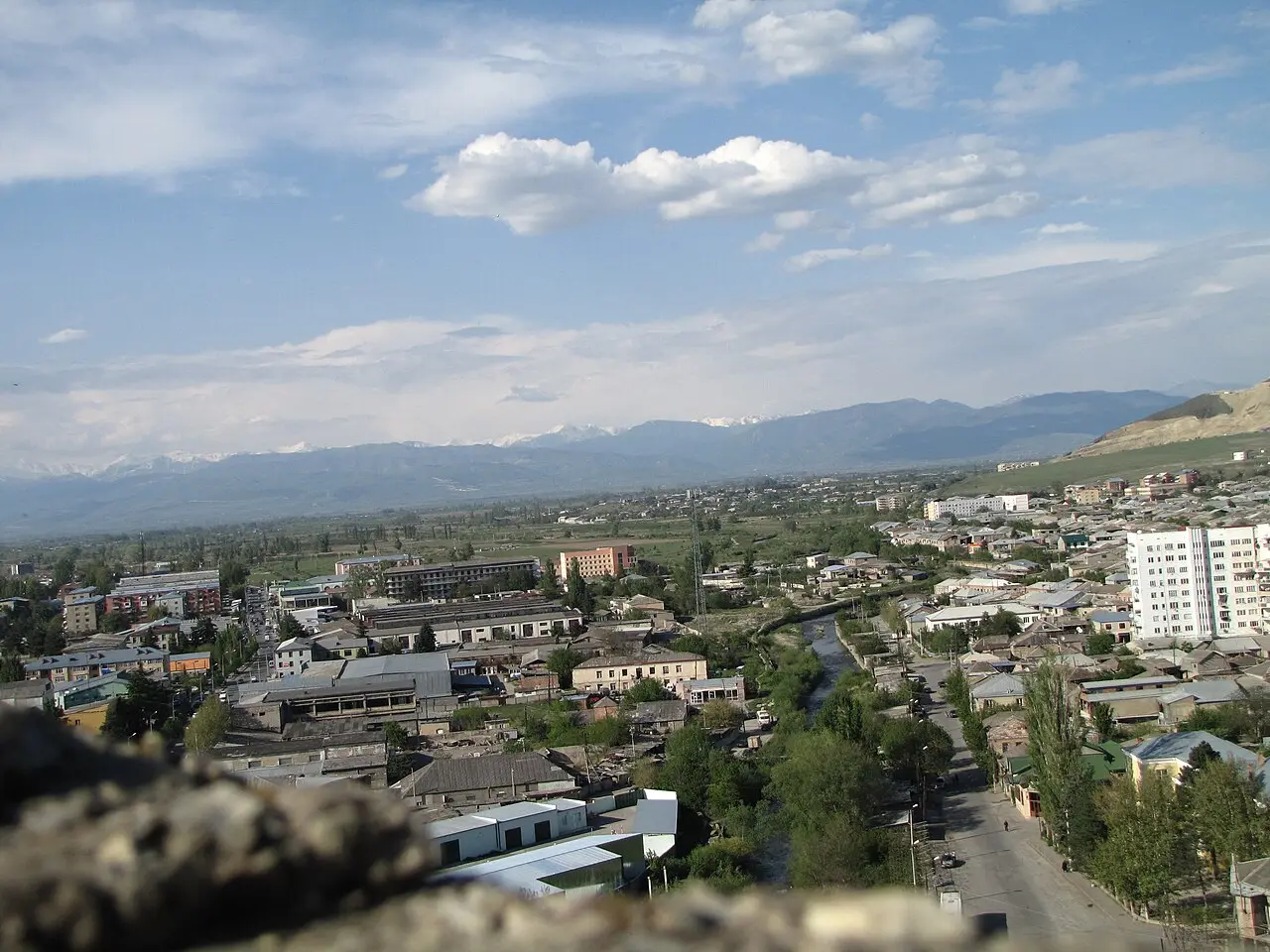
The city’s defining silhouette is Gori Fortress (Goris-tsikhe), on a hill right in the centre. A stronghold has stood on this rock since the early Middle Ages; from its walls there’s a view of the city and the valleys around it. The climb up to the fortress is the most pleasant walk in Gori.
The Stalin museum
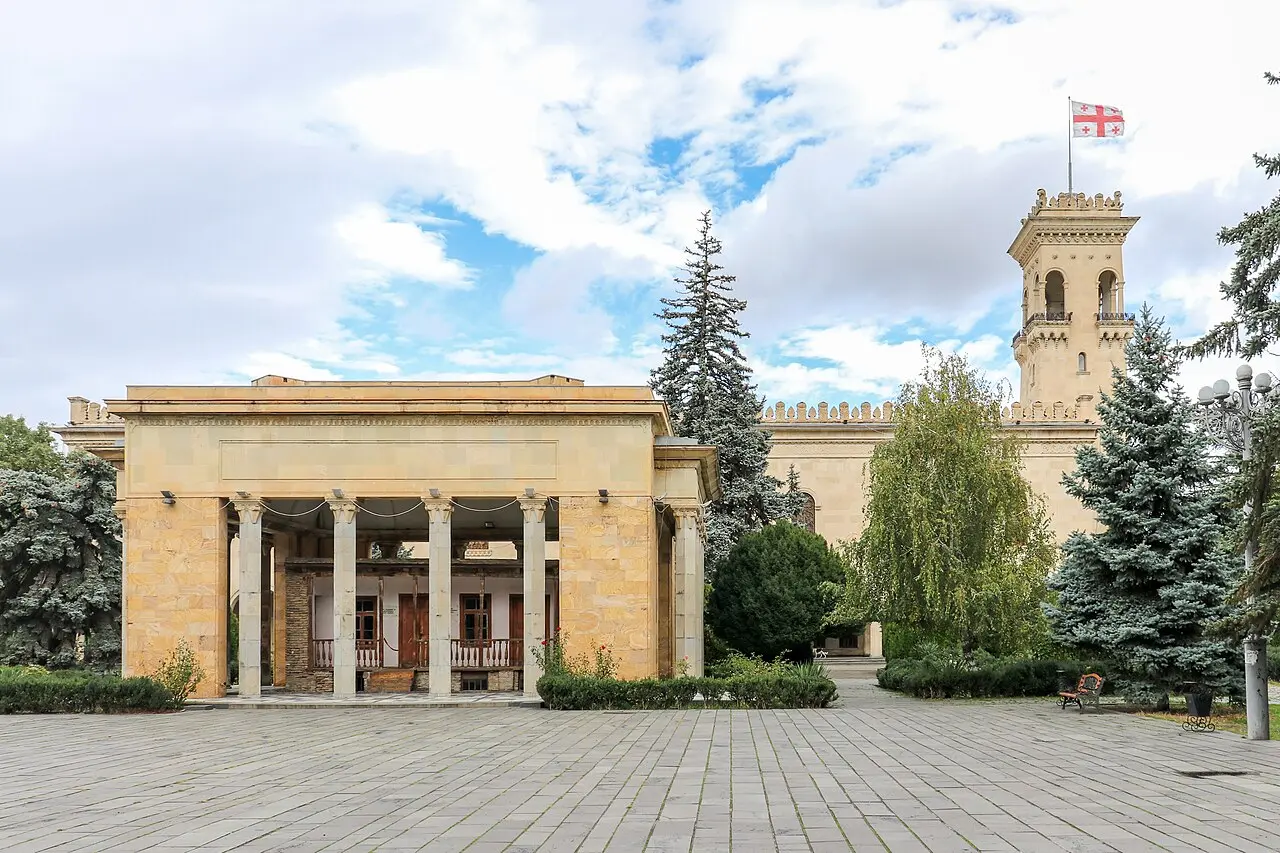
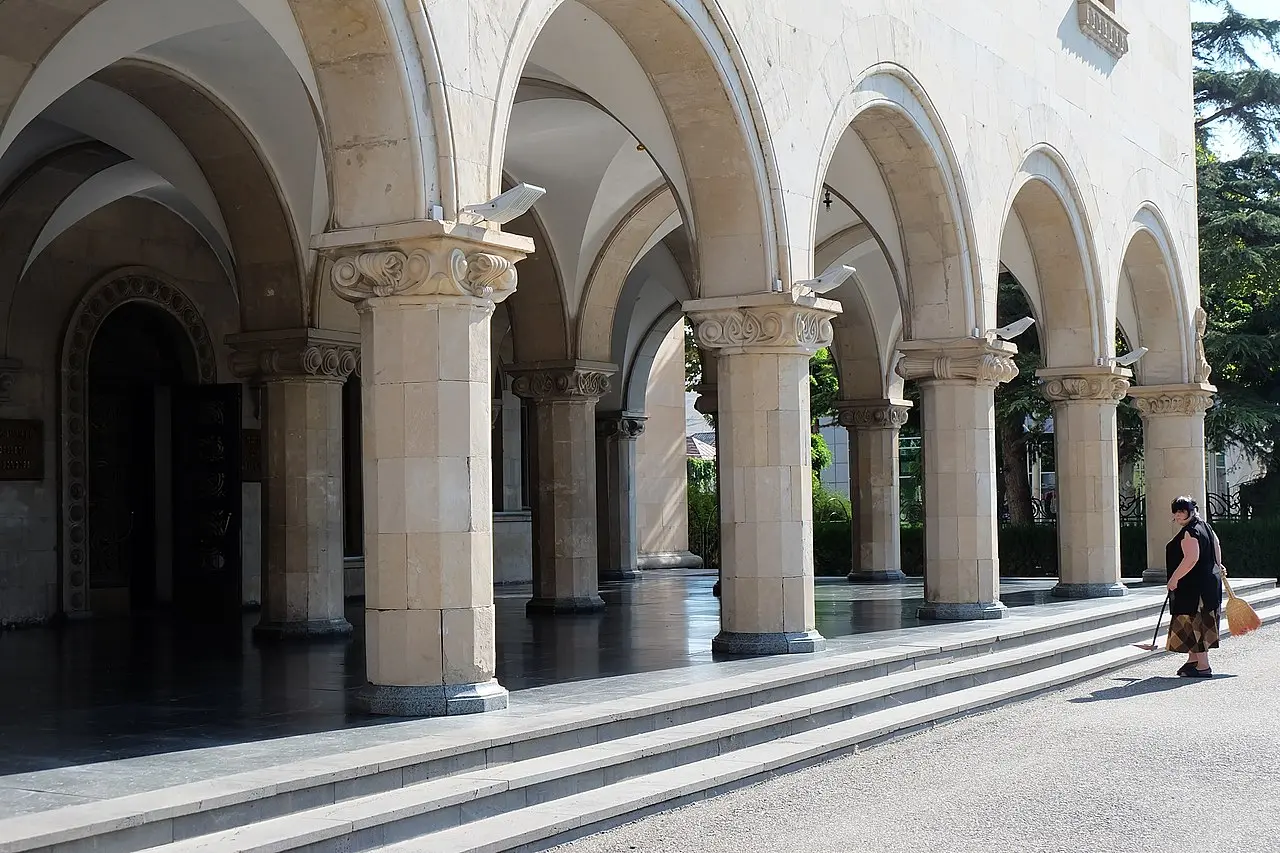
Gori is the birthplace of Joseph Stalin (1878-1953), and in the centre of the city a museum is dedicated to him - one of the most visited and at the same time most controversial places in Georgia. The complex includes the museum itself, in an ornate building, the house where Stalin was born (sheltered under a pavilion), and his personal armoured railway carriage.
The adult ticket is 15 GEL, and it’s a guided visit: the price covers the whole complex - the museum halls, the house-museum and the personal carriage - with a museum guide (the language of the tour isn’t published; ask at the desk). Schoolchildren pay 1 GEL. The museum opens every day from 10:00 to 18:00 (10:00 to 17:00 from 1 November to 1 April); the only days off are 1 January and Easter. Prices and hours are from the museum’s own site, checked in September 2026 - confirm before your trip.
Nearby: Uplistsikhe and Ateni
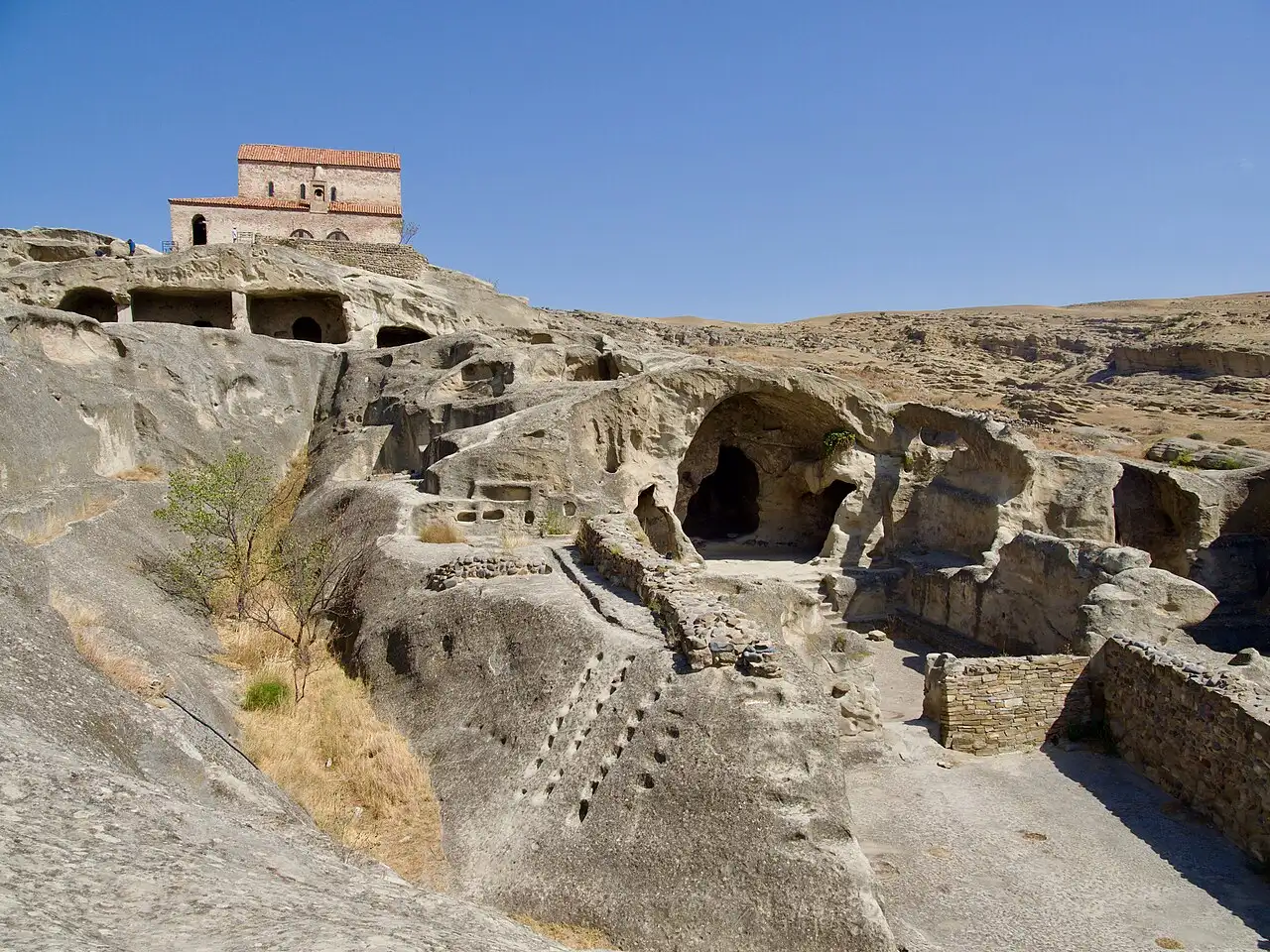
The main reason to call in at Gori is the surroundings. About 10 km to the east, above the Kura, lies Uplistsikhe - one of the oldest cities in Georgia, carved entirely out of the rock: streets, halls, wineries and a church on the summit. You’ll usually pair the two on the same stop.
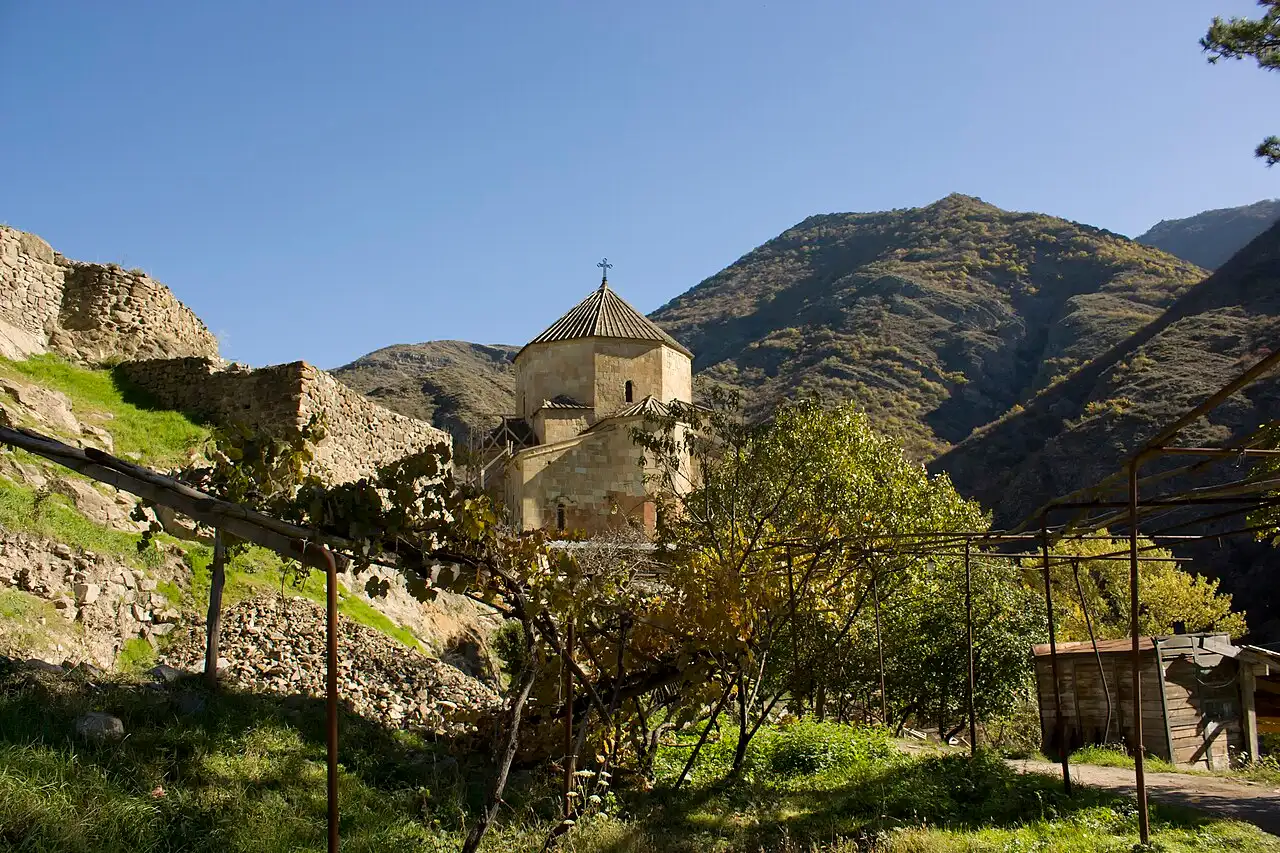
To the south of Gori, in the gorge of the Tana River, hides the 7th-century church of Ateni Sioni - one of Georgia’s early tetraconch churches, known for its ancient frescoes.
What to keep in mind
Gori itself is small, and seeing the city (the fortress plus the museum) takes a few hours. Most people drop in here on the way from Tbilisi to Kutaisi and always combine it with Uplistsikhe - only about 10 km from Gori. For an independent trip you’ll want the car hire section.
Nearby and beyond
Gori sits halfway between Tbilisi and western Georgia, so it’s easy to fit into a route - for example, on the way to Mtskheta and on to Kutaisi. For where to eat along the way, see our where to eat guide; the country’s other cities are in the cities section, and the full list of places is in the things to see section.
Photos
On the map
The map loads on click - to keep the page lightweight.
The map didn’t load. Check your connection and refresh the page.
Admission and opening hours
- Admission price
- Guided visit of the whole complex (museum halls, house-museum, Stalin's carriage) - 15 GEL; schoolchildren - 1 GEL; students - 10 GEL; carriage only - 5 GEL; children under 6 - free
- Opening hours
- Daily 10:00-18:00; 1 November - 1 April 10:00-17:00; closed 1 January and Easter
The ticket is a guided visit; the museum does not publish the language of the tour - ask at the desk.
Details checked: September 6, 2026
Distance ≈86 km · ~1.5 h
- Tbilisi ≈86 km · ~1.5 h marshrutka, train or car; often combined with Uplistsikhe
Read also

Cities · 10 min read
Ureki: black magnetic sand and a shallow sea
Updated · July 20, 2026Ureki, Guria's sandy resort: black magnetic sand, a shallow warm sea and easy family beaches. Where to stay, when to go and how to get there.

Cities · 10 min read
Borjomi town: the spa resort and a mountain base
Updated · June 16, 2026Borjomi spa town in its wooded gorge: the mineral-water park, the Likani palace, the old railway and a base for Bakuriani and Borjomi-Kharagauli.

Cities · 12 min read
Batumi: beaches, boulevard, what to see and where to stay
 Verified · June 15, 2026
 Batumi, Georgia's Black Sea resort: beaches, the palm boulevard, Alphabet Tower, Piazza and skyscrapers. What to see, where to stay and how long.

Cities · 8 min read
Kutaisi: what to see, where to eat, how to get there
 Verified · June 15, 2026
 Kutaisi - Georgia's third city and ancient capital of Colchis: Bagrati Cathedral, the Colchis Fountain, the Rioni. What to see in and around.