
Cooking Classes in Tbilisi: What to Pick and What It Costs
Khinkali and khachapuri classes in Tbilisi from 110 GEL: family home or food walk, prices from operators' own sites, kids, vegetarians, how to book.
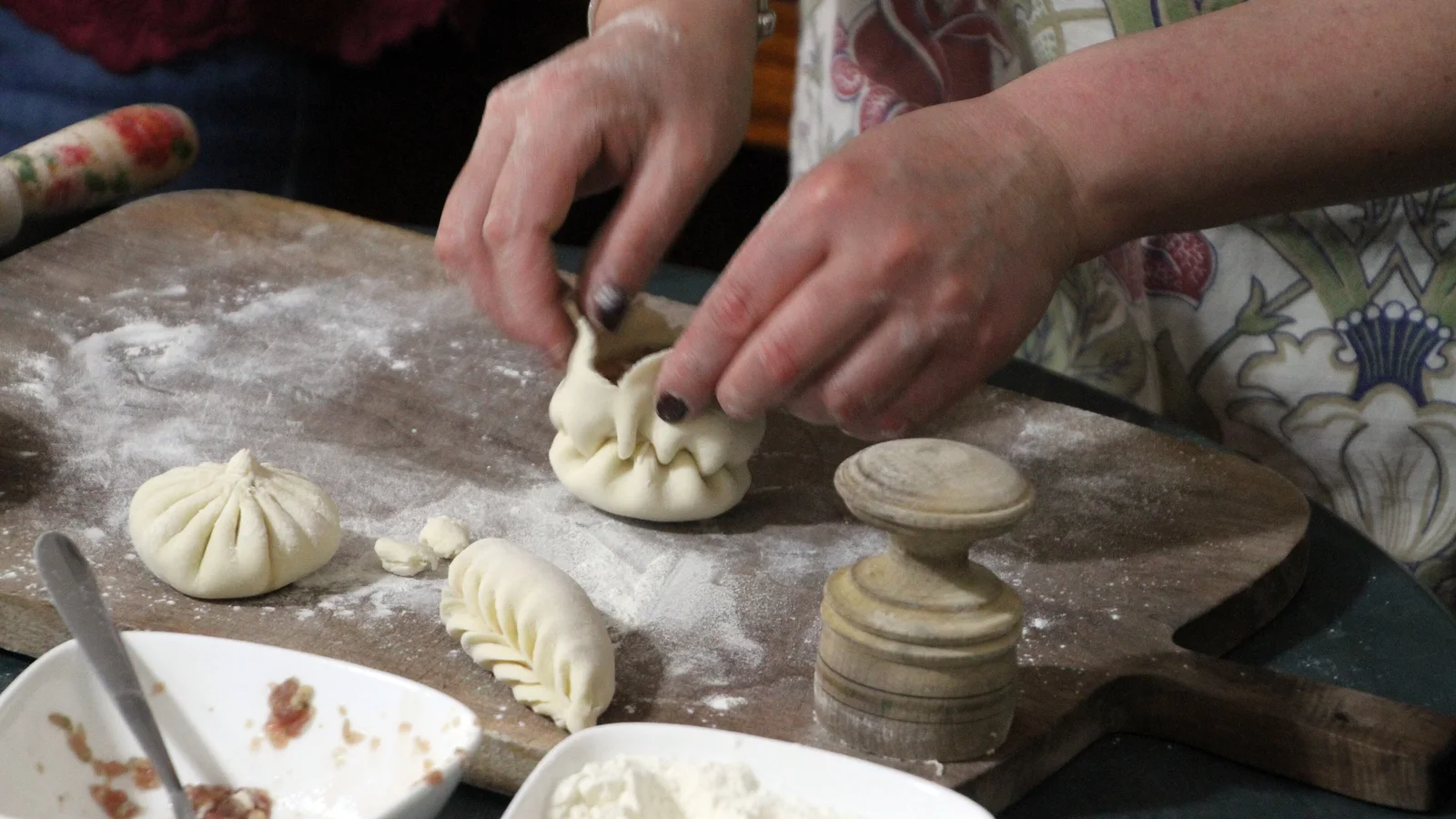
Book a cooking class in Tbilisi to go home able to make khinkali, and a food walk to leave knowing what to order; in a group, the two cost about the same. On 17 October 2026 the operators’ own pages put a hosted home class at 110 GEL and up (about $42, €38, £32) and a shared food walk at $50 a head. Going private can open a gap: four people pay 1,000 GEL (about $385) for Georgia.to’s family class and $250 (about 650 GEL) for Real Georgia Tours’ private walk.
Class or food walk: what you take home
A class leaves you with a skill and a meal you made yourself, and at some hosts a recipe booklet. A walk leaves you with a short list of places you can find again. If you’ve already eaten khinkali at a canteen and wonder why the pleats matter, book the class. If it’s your first night and the menu is a wall of unfamiliar words, the walk teaches you what to order at every meal after it. The dishes themselves are in the Georgian food guide; this page is about booking.
| Format | Operator we checked | Time | Price on 17 Oct 2026 | You cook |
|---|---|---|---|---|
| Group class in a family home, evening | Gamarjoba Georgia Tours | 3 hours, meet 17:30 | From $55 (about 143 GEL, €49, £41) | Yes |
| Hosted class in a local home | SecreTable | 3 to 4 hours | From 110 GEL a head ($42, €38, £32) | Yes |
| Private class with a family | Georgia.to | About 3 hours of class, then wine and a meal | 600 GEL for one guest, 210 GEL a head for eight (ages 6+) | Yes |
| Shared food walk | Real Georgia Tours | 3.5 hours, Saturdays 13:00 | $50 a guest (about 130 GEL, €44, £37) | No |
| Private food walk | Real Georgia Tours | 3.5 hours, daily | $175 for one, $250 for four, group total | No |
Every price was read from the operator’s own page on 17 October 2026 and converted at the National Bank of Georgia rates of that day (1 USD = 2.5982 GEL, 1 EUR = 2.9274 GEL, 1 GBP = 3.4676 GEL). Rates and prices move: the table is a snapshot of that day, and the operator’s booking page has the final number.
Cooking in a family home
Three of the operators put you in a private home, not a studio, and they run it differently.
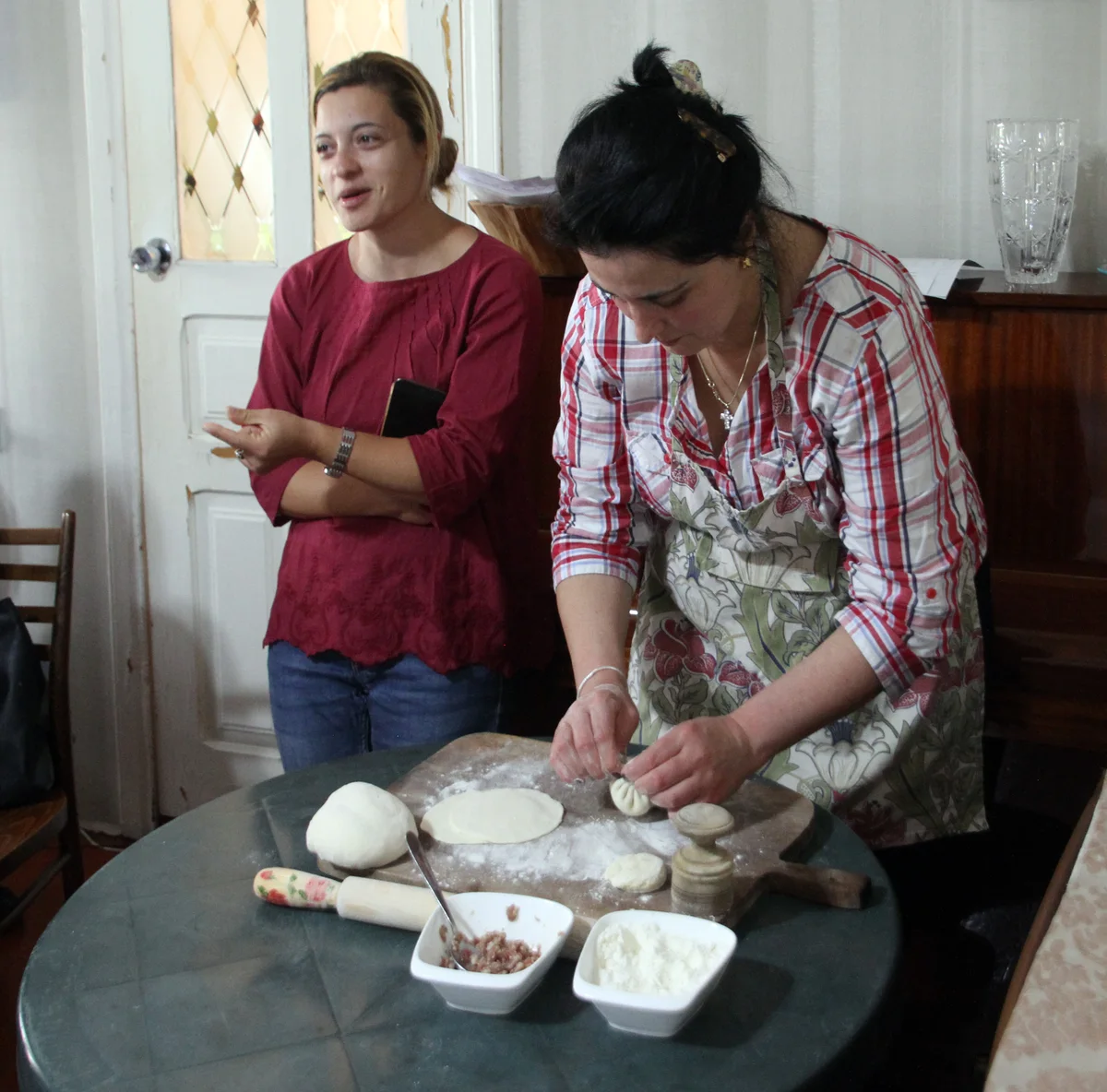
SecreTable, a Tbilisi marketplace of home hosts, lists classes from 110 GEL a person. Its page says that covers ingredients, hands-on instruction, a full meal and wine over 3 to 4 hours. The address of a home in a central neighbourhood arrives after you book, the hosts speak English and Georgian, and bookings go through WhatsApp.
Gamarjoba Georgia Tours runs the version that suits a sightseeing day best, because it’s an evening. The group meets at Avlabari metro station at 17:30, leaves at 18:00 and finishes around 20:30-21:00. The ride to the family’s home is included. The ride back isn’t, and the evening ends at the family’s door, not at the metro, so budget a taxi. The British FCDO advises against flagging taxis in the street and suggests pre-booking through an app; our Tbilisi transport guide covers Bolt. The page lists a group size of 7, ages 5 to 79, in English, from $55. The menu is khinkali, khachapuri, aubergine with walnuts, Georgian salad, mchadi cornbread and sulguni cheese, with homemade wine, water and chacha, the Georgian grape spirit.
Georgia.to sells the private version. The family opens with wine from its own vineyard, you make khinkali, khachapuri and aubergine with walnuts, and then everyone sits down to a supra, the long toast-driven feast. A private English-speaking guide, all meals and drinks and a recipe booklet come with it. The page splits the programme into about three hours of class, 30 minutes of wine and an hour of eating, so don’t plan a dinner afterwards.

One detail for drivers and light drinkers: home classes pour wine as part of the programme, and Gamarjoba adds chacha. Gamarjoba says plainly that drinking is optional, so tell them when you book and ask for water instead.
Not every company prints a number. Meet-GE, a Tbilisi tour company, runs a culinary masterclass without naming the venue, and its page says: “For pricing, please contact us.” The cost, it adds, depends on the number of participants and the location, so expect a WhatsApp or Telegram thread with no checkout button.
Private classes: what each guest pays by party size
Private rates fall steeply as the party grows. Here is the Georgia.to family class on its 2026 price list, per guest:
| Guests | Per guest | Per guest in dollars | Group total |
|---|---|---|---|
| 1 | 600 GEL | about $231 | 600 GEL |
| 2 | 320 GEL | about $123 | 640 GEL |
| 4 | 250 GEL | about $96 | 1,000 GEL |
| 8 | 210 GEL | about $81 | 1,680 GEL |
The second guest adds only 40 GEL to the bill, so a solo traveller is better off finding a travel partner or joining a group class than paying the single rate. It isn’t the same product: the private class comes with a guide and the family to yourselves, while Gamarjoba’s group class from $55 shares the table with strangers. SecreTable’s page mentions both private and small-group classes but gives one starting price of 110 GEL, so ask which one you’re booking.
A fair private-to-private comparison for four people: Georgia.to’s family class costs 1,000 GEL together (about $385), and Real Georgia Tours’ private food walk costs $250 (about 650 GEL). On the shared food walk the same four would pay $200, so going private costs $50 more, but the shared walk exists only on Saturdays.
The food walk: tasting instead of cooking
Real Georgia Tours walks about 1.5 km through Sololaki in 3.5 hours with five stops: a family-run lunch kitchen, a chain place for khinkali and green soda, a chacha bar, a restaurant inside an old family house with natural wine, and a small sweet to finish. Local alcohol is part of the price and the operator says the alcohol stops can be skipped or swapped. Shared departures run on Saturdays at 13:00, private ones daily, starting hourly between 13:00 and 18:00. The operator’s advice is to come hungry: the tastings add up to a very large meal, so don’t book a restaurant for afterwards.
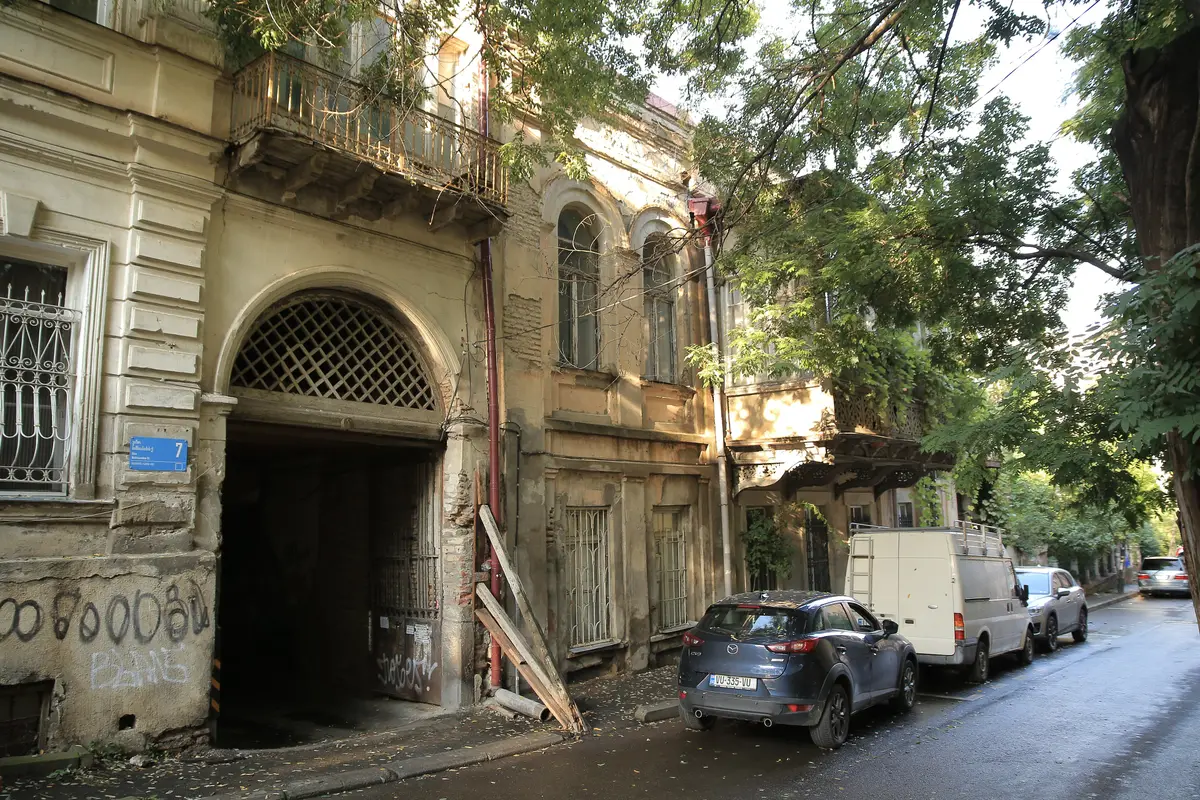
Georgia.to has a private alternative, the Georgian Food Tasting Experience: three restaurants and a spice shop over 3 to 4 hours, with a transfer from your accommodation. Its per-guest price runs from 600 GEL for one to 230 GEL for eight, and the page gives the age as 4+. That’s the choice for a group that doesn’t want to walk.
Booking through a platform: five things to check
Viator’s Tbilisi section has a cooking-classes category, and a platform is a handy way to compare dates and cancellation terms in one place. We don’t quote its prices here. A listing changes by date and party size, while the operators above publish their own rates, and those are the numbers worth planning around.
Whichever site you book on, check five things before paying:
- The group cap and the language of the class.
- Whether you shape the dough yourself or watch it being shaped.
- Which drinks are included: wine, chacha, water.
- Where it starts and where it ends, since Gamarjoba’s ends at a family home with no ride back.
- The cancellation window.
Kids, vegetarians and allergies
Kids: Gamarjoba’s listing gives ages 5 to 79. Real Georgia Tours says children are welcome on its private food walks and that the route works for babies in carriers and older kids alike. Georgia.to lists 6+ for its family class and 4+ for its food tasting. With a small child, timing matters as much as the age limit: Gamarjoba’s class finishes around 20:30-21:00 at a family home with no ride back, while a private walk can start as early as 13:00. Where a page names no age, ask before you pay.
Vegetarians do well, since a lot of Georgian food is built on cheese, beans, walnuts and aubergine. SecreTable says it offers vegetarian variations of every dish and lists khinkali with cheese, mushroom or potato filling; it also accommodates pescatarian and dairy-free guests if you tell it when you book. Real Georgia Tours gives vegetarians the full walk. Vegans are the hard case: the operator says their variety is more limited because of the local reliance on cheese. Khachapuri is a cheese bread, so if you’re vegan ask a class host what the day looks like without it, for example a menu built on the walnut-based sides, pkhali and badrijani, which SecreTable’s page names as seasonal extras.
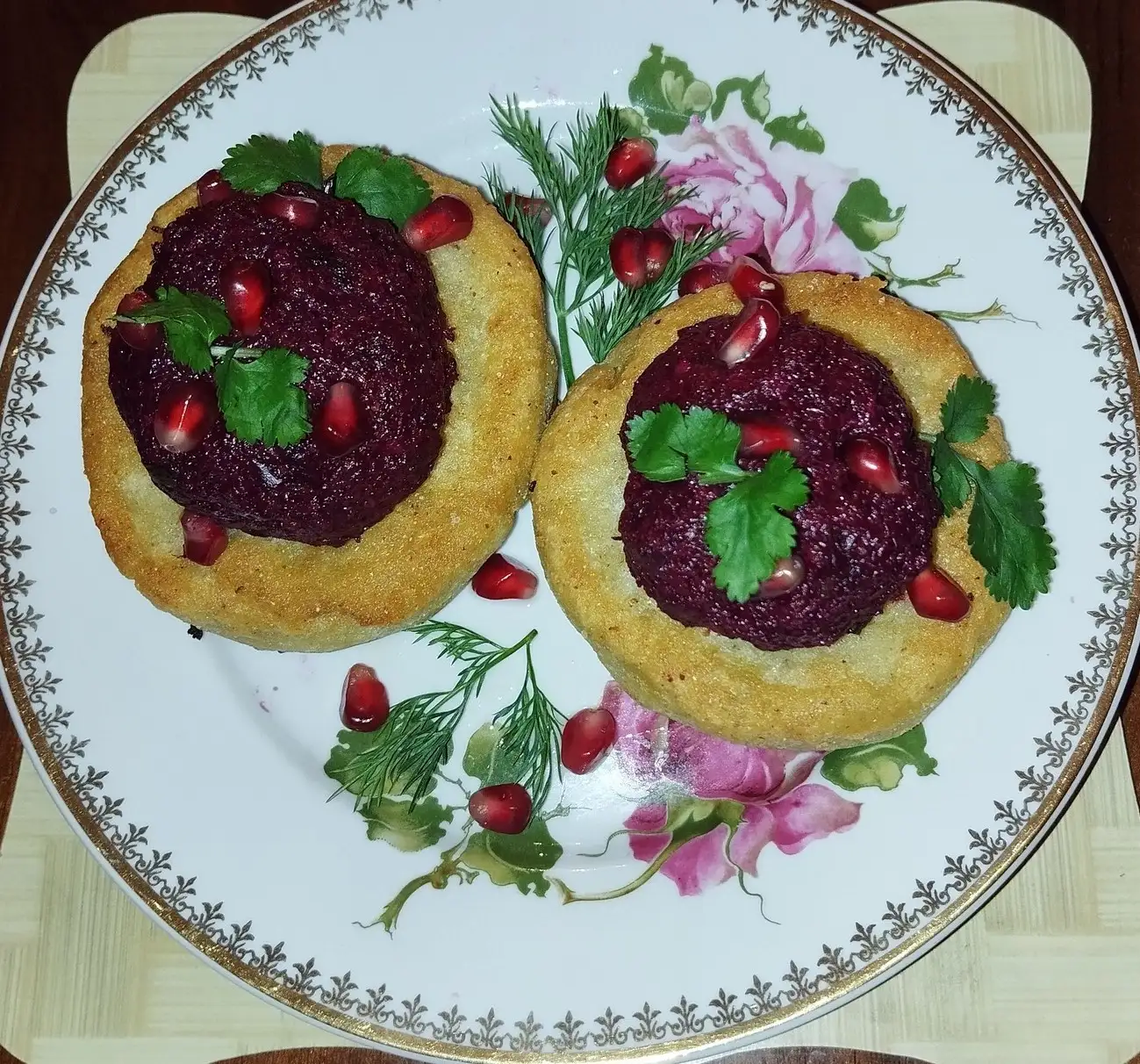
Allergies: Gamarjoba asks you to flag any food restrictions before the tour so it can confirm what it can cater for. A nut allergy is the one to raise first: aubergine with walnuts is on both the Gamarjoba and Georgia.to menus. Real Georgia Tours covers most mild allergies if told in advance, but it doesn’t guarantee safety for a severe allergy because cross-contamination is a risk at its stops. If an allergy is serious, a private class in one kitchen is easier to control than a walk through five.
What to put in your booking message
SecreTable and Meet-GE take bookings by WhatsApp (Meet-GE also by Telegram), and the other three have booking forms on their pages; either way, a complete first message saves a day of back-and-forth. Copy and fill in:
Hello! [2] adults and [1] child (age [7]) on [date], a khinkali and khachapuri class in English. One of us is [vegetarian / allergic to nuts]. Please send the price in GEL, the meeting point and where the class ends. Is wine included, and can we have water instead?
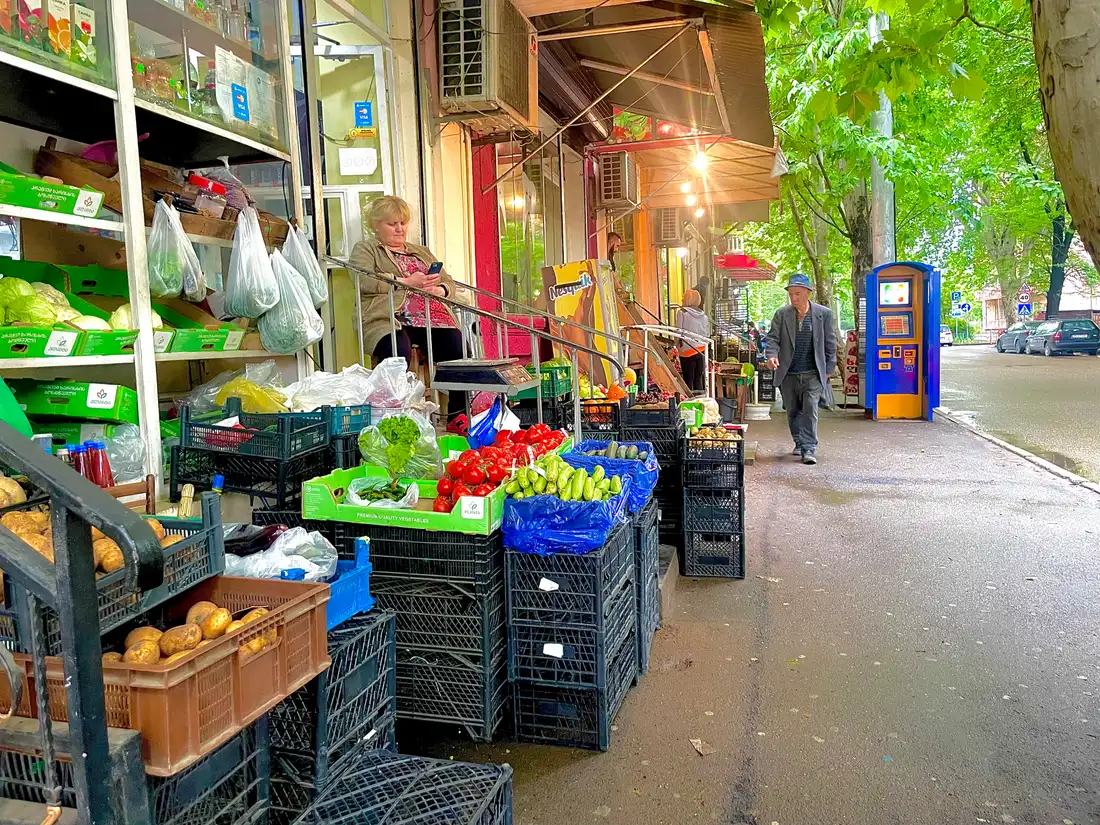
Three things to pair with a class: Tbilisi’s markets in the morning, to see the cheese and herbs before you cook with them; a Kakheti wine tour on a different day; and Georgian folk dance for an evening with no class. The city guide to Tbilisi ties the districts together.
Read also

Entertainment · 9 min read
Georgian Folk Shows in Tbilisi: Where to Go and Prices
Verified · October 19, 2026Georgian dance and polyphony in Tbilisi: Erisioni at the Sports Palace on 30 October 2026, Ethno Tsiskvili nightly, lari prices and what the dances mean.

Entertainment · 9 min read
Paragliding in Gudauri: tandem flights, prices, season
Verified · October 10, 2026Tandem paragliding in Gudauri: the three launch sites, summer and winter prices in lari, weight limits, insurance and what happens if the weather turns.

Entertainment · 13 min read
Tbilisi Nightlife: Techno Clubs, Bars and Door Rules
Verified · October 6, 2026Tbilisi nightlife in 2026: Bassiani, KHIDI and Left Bank, entry prices in lari, how registration and the door work, where to drink first and getting home.

Entertainment · 12 min read
New Year in Georgia: Tbilisi, Batumi or the Mountains
Verified · October 3, 2026Where to see in the New Year in Georgia: Tbilisi's New Year village and balcony fireworks, Batumi's gala, Gudauri's peak weeks, Christmas on 7 January.