
What to eat in Georgia: cuisine, khachapuri and wine
The key dishes of Georgian cuisine: khachapuri, khinkali, mtsvadi, lobio, churchkhela and qvevri wine. What you must try when you visit Georgia.
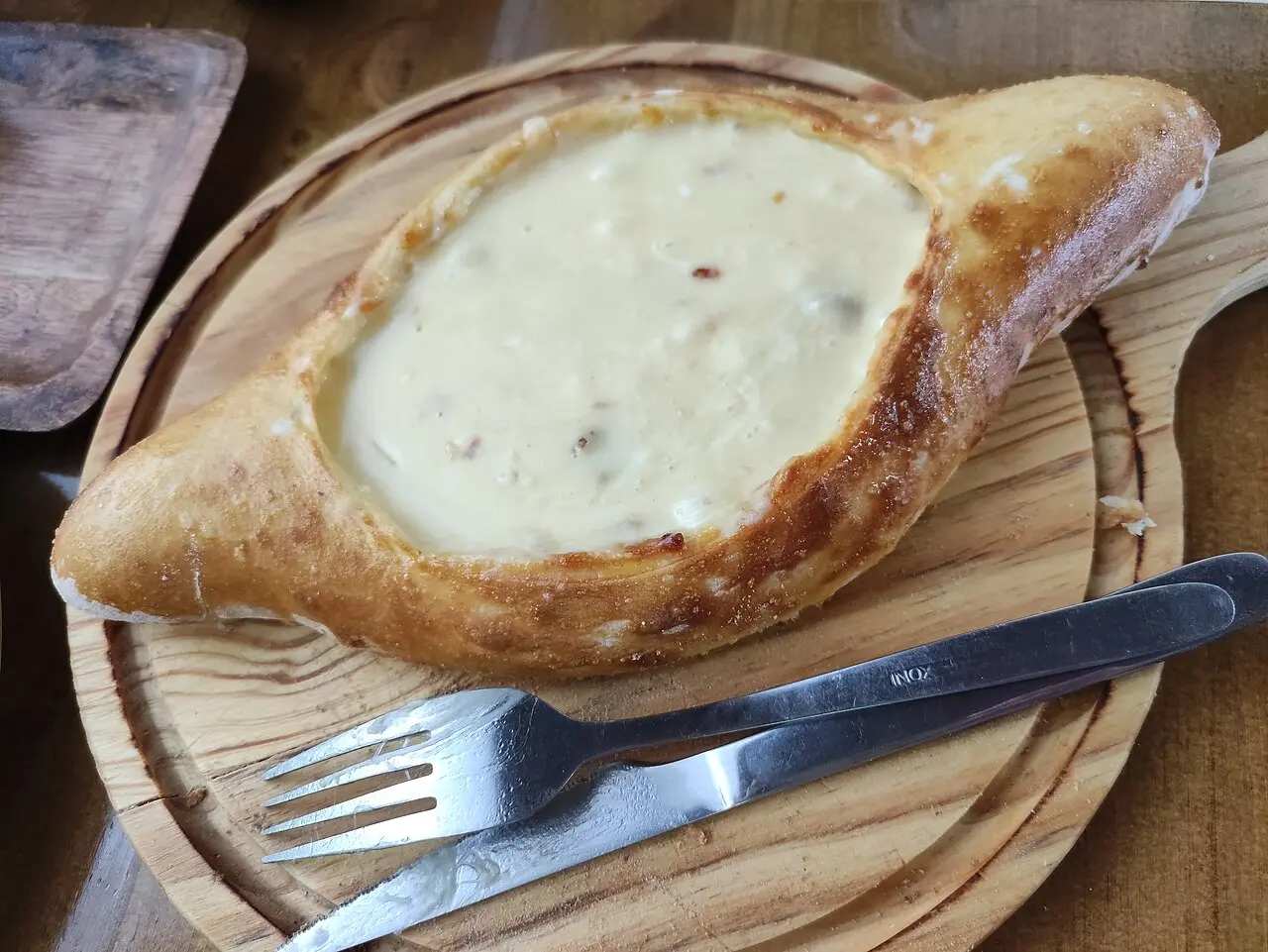
Georgian cuisine is one of the main reasons to come to the country. It’s generous, hearty and deeply regional: every part of Georgia has its own breads, cheeses, sauces and wines, and a meal here’s rarely just a meal - it’s closer to an event. This guide runs through the dishes worth ordering first, the drinks to have with them, the ritual of the table you’ll sooner or later be pulled into, and roughly what it all costs in 2026.
The one thing to grasp before you order: Georgian food isn’t a single national menu but a set of regional kitchens, and knowing which one you’re sitting in explains most of what lands on the table.
One country, several kitchens
Georgia is small, but its food shifts sharply from region to region, and the useful rule is west versus east. Western Georgia - Samegrelo (Mingrelia) and Adjara - cooks hot and nutty: more chilli, more garlic, walnut in everything. Eastern Georgia, above all Kakheti, is milder, meat-forward and built around wine. Get this distinction and the rest of the menu starts to make sense.
Adjara, on the Black Sea coast, carries a Turkish imprint and leans on butter and dairy - home of the boat-shaped khachapuri and of fresh coastal fish. Samegrelo turns out the country’s most intensely flavoured cooking, all spicy walnut sauces and sharp cheese. Kakheti, the eastern wine country, grills the best barbecue over grapevine coals. And up in the highlands, Svaneti eats to survive a hard winter: meat-stuffed breads and the prized local Svan salt. None of these is the “real” Georgia - they all are, which is why eating across the country never gets repetitive.
Khachapuri: the cheese bread, region by region
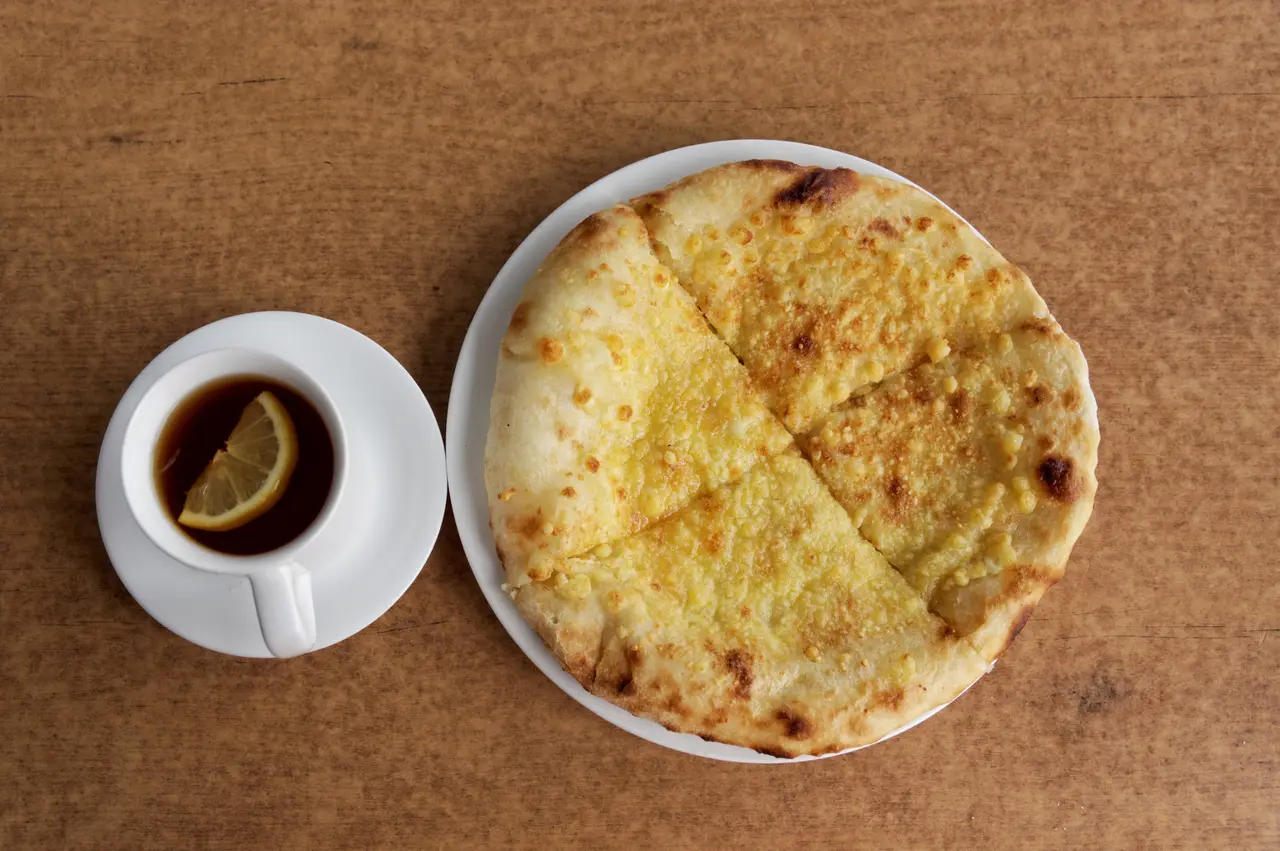
The most famous dish is khachapuri, a cheese-filled bread, and there’s no single version - each region bakes its own. Adjaruli (Adjarian) is the showpiece: an open “boat” of dough filled with molten cheese, crowned with butter and a raw egg yolk that you stir straight into the hot cheese before tearing off the crust to dip. Imeruli (Imeretian) is the everyday one - a closed round loaf with cheese sealed inside, and probably the most common khachapuri in the country. Megruli (Megrelian) is the Imeretian’s richer cousin: the same shape, but with extra cheese baked on top as well.
Two more are worth hunting down. Penovani is made with flaky puff pastry, folded into a crisp parcel and glazed with egg - lighter and more buttery than the bready kinds. Achma, from the far west, is the outlier: layer upon layer of boiled dough with cheese and butter between them, baked until golden, a sort of sauceless Georgian lasagne. Up in Svaneti the mountain equivalent is kubdari, stuffed not with cheese but with spiced meat. Start with an Adjaruli, but don’t stop there.
Khinkali: dumplings you eat by hand
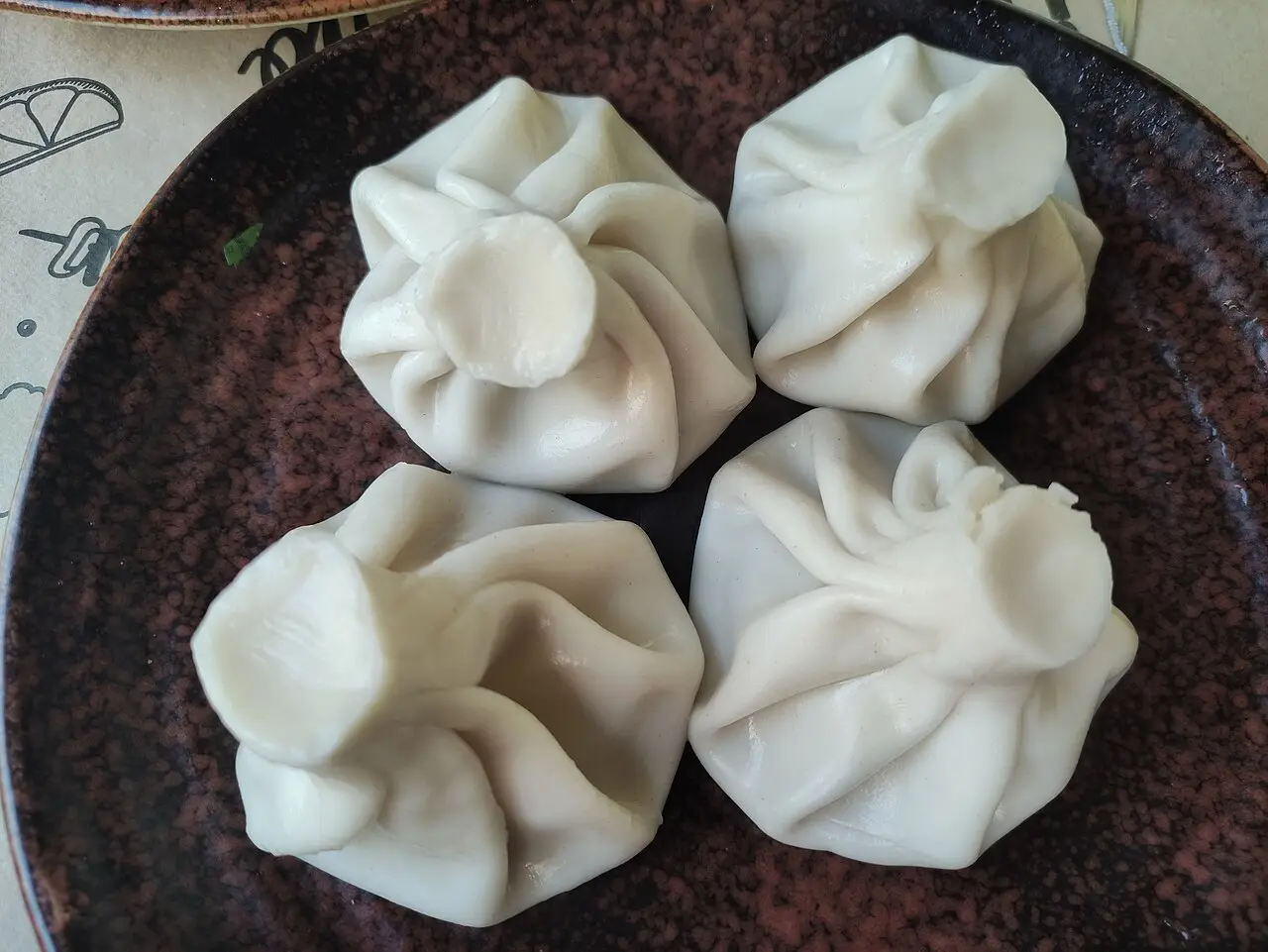
Khinkali are large, juicy dumplings twisted shut at the top and filled with spiced minced meat and a mouthful of broth. There are cheese, mushroom and potato versions too, but the classic is meat. The eating technique is half the fun and getting it wrong marks you out at once: hold the dumpling by its twisted top knot, bite a small hole in the side, sip out the hot broth so it doesn’t run down your arm, then eat the rest. The tough top knot is left uneaten - and it doubles as a scoreboard, since the little pile tells everyone how many each person has managed.
The supra and the tamada
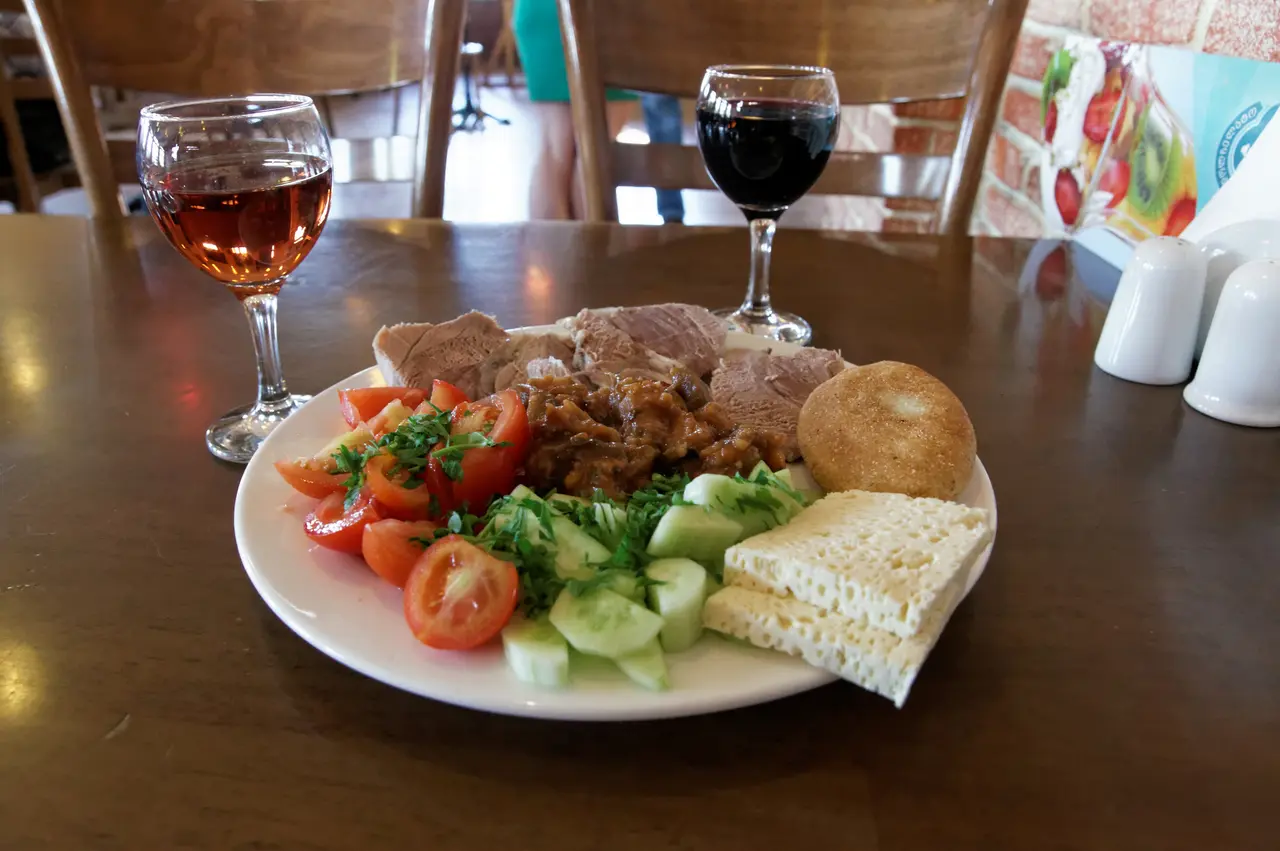
Sooner or later you’ll end up at a supra - the Georgian feast, and the single most important thing to understand about eating here. It’s not a dinner party in the Western sense; it’s a table piled with dozens of small dishes at once, going for hours, and it can be anything from friends meeting on a weekday to a wedding or a wake. Food and wine are constant, but the real engine of the evening is the toasting.
Every supra is run by a tamada, a toastmaster - usually the eldest or most eloquent man at the table, chosen for wit and gravity in equal measure. He proposes each toast in a set order, and the toasts are less “cheers” than short spoken pieces, half praise and half prayer: to God, to Georgia, to peace, to family, to ancestors and departed friends, to the women at the table, to the guests. The rule matters: you don’t drink until the tamada has spoken and drunk first, and then the toast passes round the table. If you’re the guest, expect a toast in your honour - and be ready to answer one. Take the ritual seriously and a Georgian table will open up to you completely.
Meat and mtsvadi
For meat, the dish to know is mtsvadi - Georgian barbecue, chunks of pork or veal skewered and grilled over embers, ideally dry grapevine cuttings, which is why the best of it comes from the vineyards of Kakheti. It arrives simply, often with raw onion and a sharp sauce, and it doesn’t need much else. You’ll also meet kupati, a spiced Mingrelian sausage, and in the mountains kubdari, that meat-stuffed bread. Order mtsvadi where they grill over wood rather than gas and the difference is night and day.
Pkhali, badrijani and the walnut kitchen
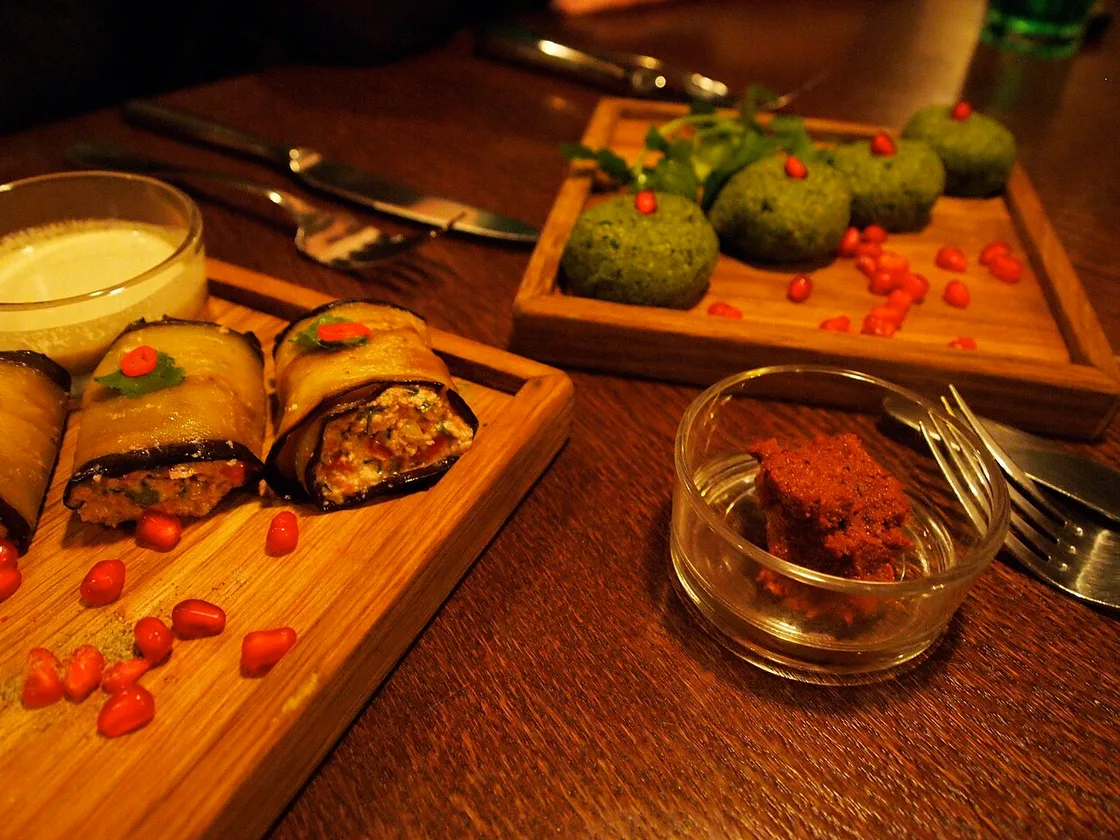
If Georgia has a secret ingredient, it’s the walnut, and it shows up most clearly in the cold vegetable starters that open almost every meal. Pkhali are little pâté-like balls of a cooked vegetable - spinach, beetroot, cabbage, even nettle - ground with a paste of walnut, garlic, vinegar and herbs, then topped with jewel-red pomegranate seeds. Beetroot pkhali comes out deep magenta, spinach a dark green; a plate of two or three colours is a standard opener. Its close relative is badrijani nigvzit: thin slices of fried aubergine rolled around the same walnut-garlic paste and, again, scattered with pomegranate. The walnut paste beneath both is the backbone of half the cold table, and once you notice it you’ll taste it everywhere.
Lobio, cheese and cornbread
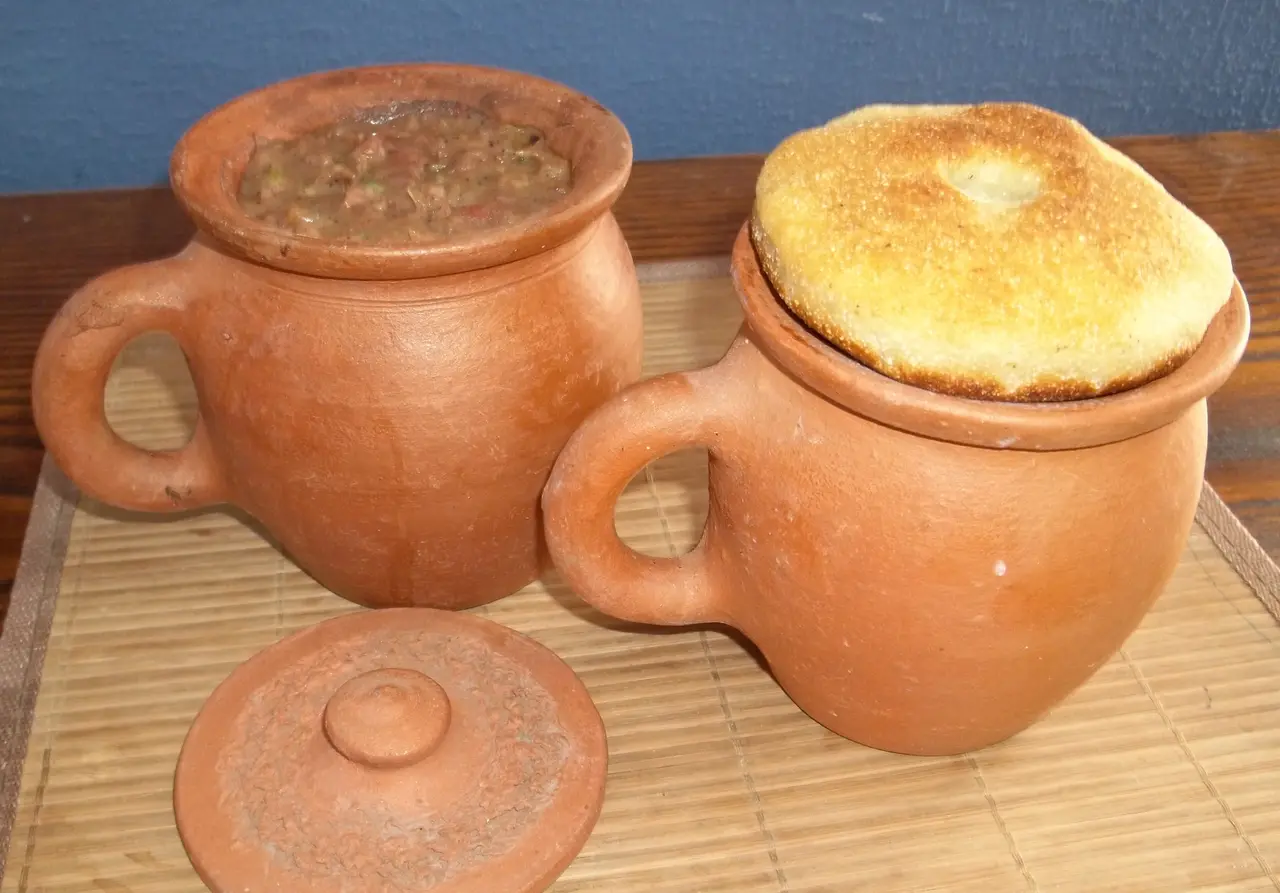
The great vegetarian mainstay is lobio - beans stewed with garlic, herbs and spices, served bubbling in a clay pot with mchadi, a dense cornbread, and a dish of pickles alongside. It’s cheap, filling and everywhere. Sitting beside it’s the whole world of Georgian cheese. Imeruli (Imeretian) is the mild, faintly sour fresh cheese most khachapuri is filled with; sulguni is its stretched, brined descendant - firm, salty and slightly springy, with a gentle squeak when you bite it. In Adjara you’ll find sulguni melted into cornmeal as elarji, worth trying once for the sheer stringiness of it.
Sauces to know
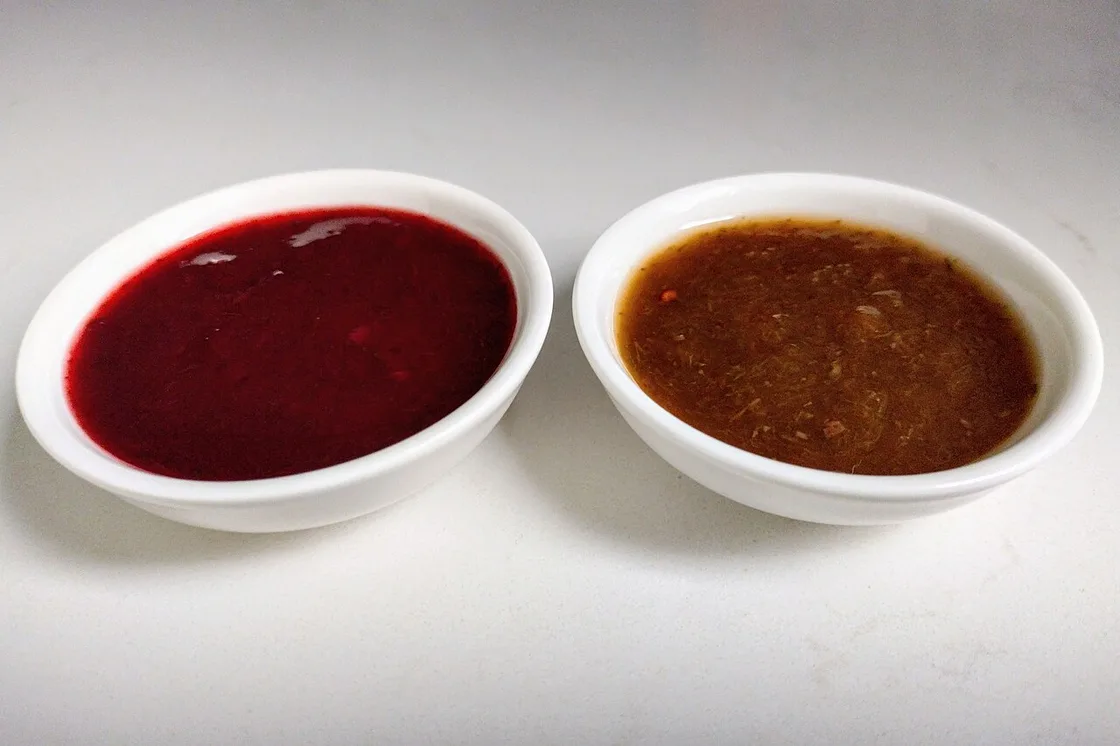
Georgians take their sauces seriously, and a few turn up again and again. Tkemali is the everyday one: a tart, bright sauce of sour plums with garlic, herbs and chilli, made red or green depending on the fruit, and the natural partner to grilled meat and potatoes. Ajika is the fiery one - a thick, salty raw paste of chilli, garlic and the Georgian spice trio of blue fenugreek, coriander and marigold; use it sparingly at first. Satsebeli is a milder tomato-based sauce for grills, and bazhe is the smooth walnut sauce spooned over poultry. Ask what the house tkemali is like and you’ll usually get a proud answer.
Soups, if you are curious
Georgian soups are a category worth dipping into. Kharcho is the famous one - a rich, spicy beef soup thickened with rice and ground walnut and soured with tkemali, deeply savoury and a meal in itself. Chikhirtma is gentler: a chicken broth thickened with egg and flour into something almost creamy, heavy on the coriander, with no tomato. And then there’s khashi - a slow-cooked broth of tripe and beef shank, eaten early in the morning with garlic and a shot of chacha, traditionally treated as a cure for the previous night’s excess. Khashi is very much an acquired taste; the other two are easy to love.
Sweets: churchkhela
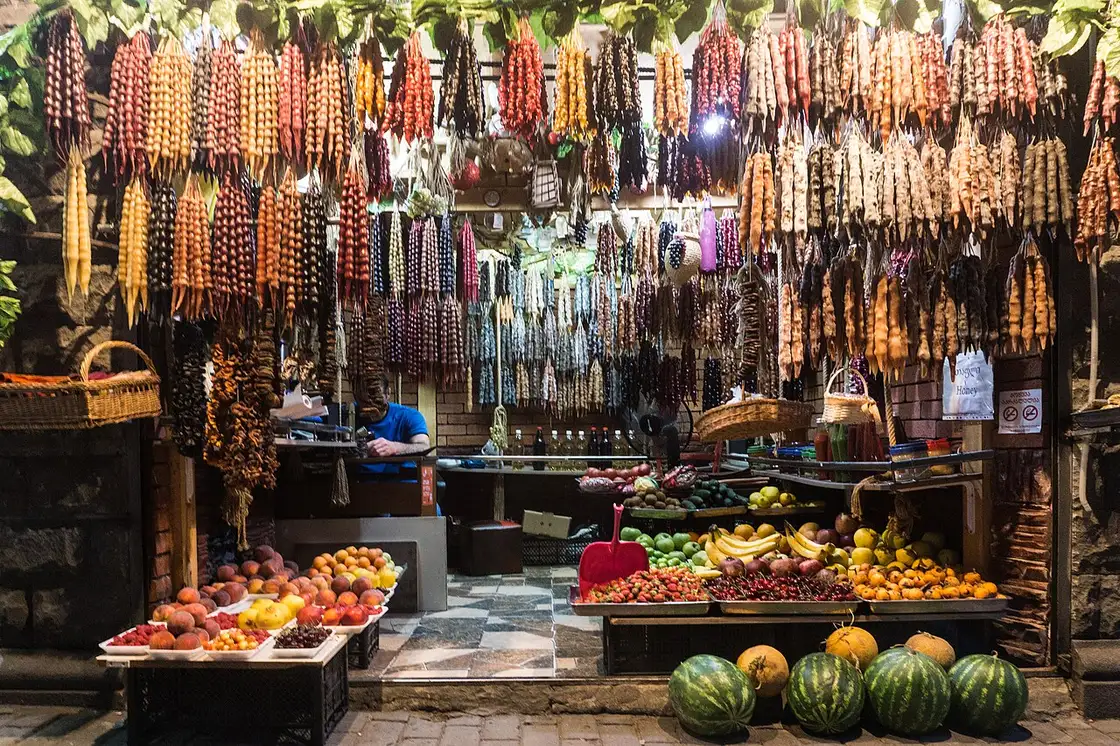
The signature edible souvenir is churchkhela: walnuts or hazelnuts threaded on a string, dipped over and over into thickened grape juice (tatara) and dried into a firm, chewy “candle”. It’s often called the “Georgian Snickers”, though it’s far older and far less sweet - the flavour is grape and nut, not sugar. At any market you’ll see it hanging in ropes of deep red, amber and brown, and it travels home well, which is why half the visitors to Georgia leave with a few in their bag.
Wine, qvevri and chacha
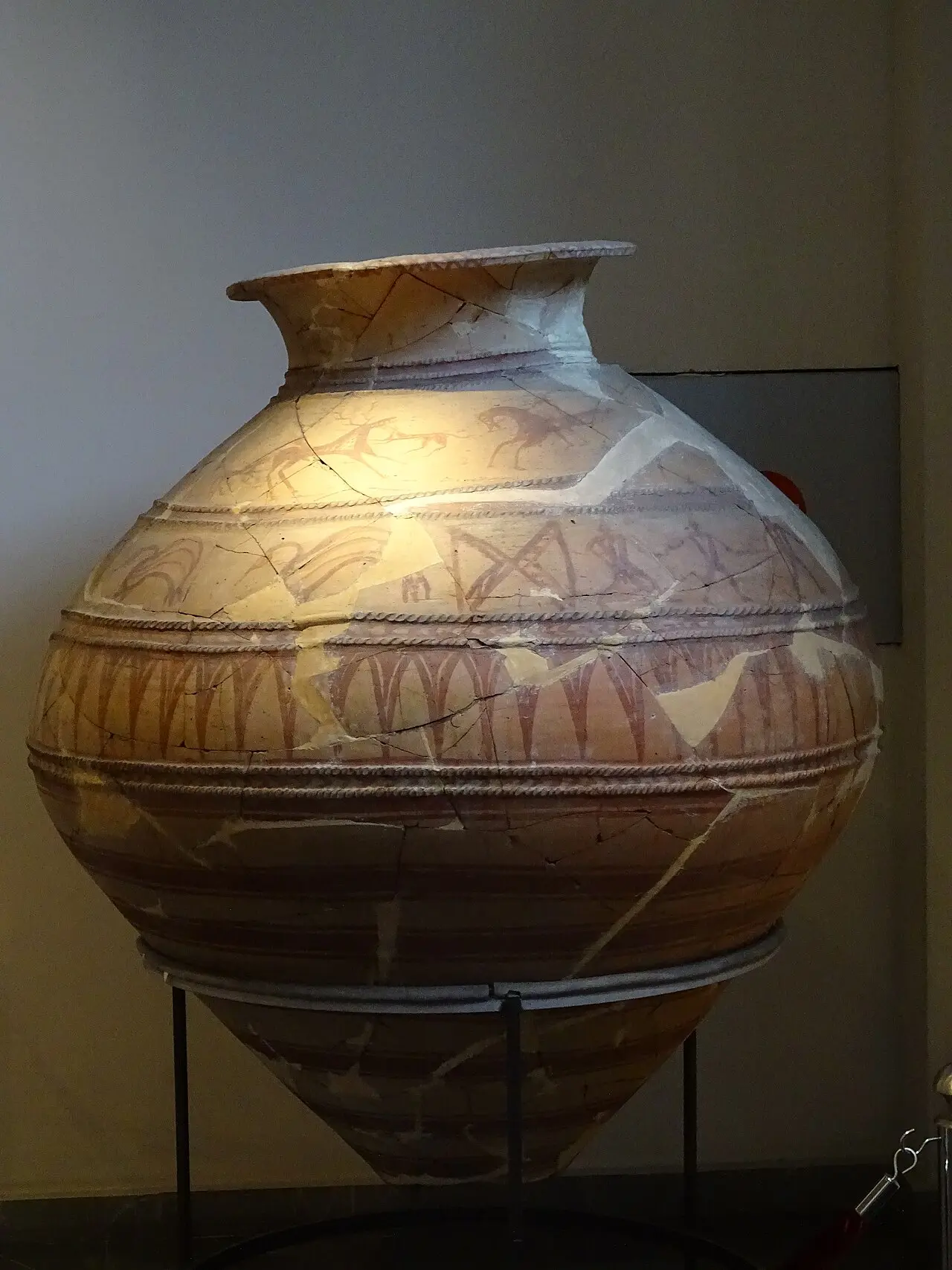
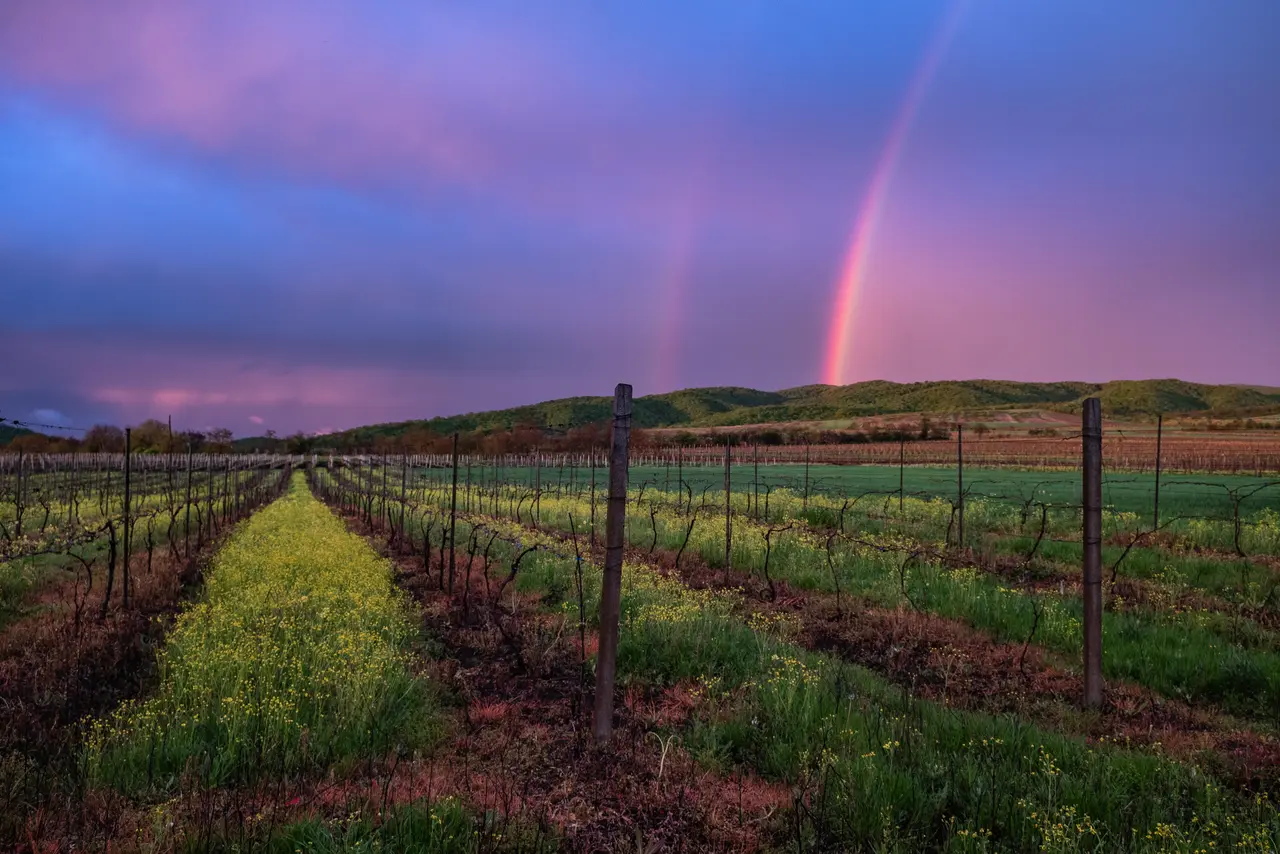
Georgia is one of the oldest winemaking countries on earth, with a tradition stretching back some 8,000 years, and wine isn’t a luxury here but a fixture of the table. Much of it’s still made in qvevri - large egg-shaped clay vessels buried in the ground, where the juice ferments and ages on its skins; the method is on UNESCO’s list of intangible heritage (2013). That long skin contact is what produces amber (orange) wine, Georgia’s signature style - a white grape made like a red, deeper and more tannic than any ordinary white. The main wine region is Kakheti, and the best way to really understand the wine is to go there; our Kakheti wine guide covers the grapes and the cellars in detail.
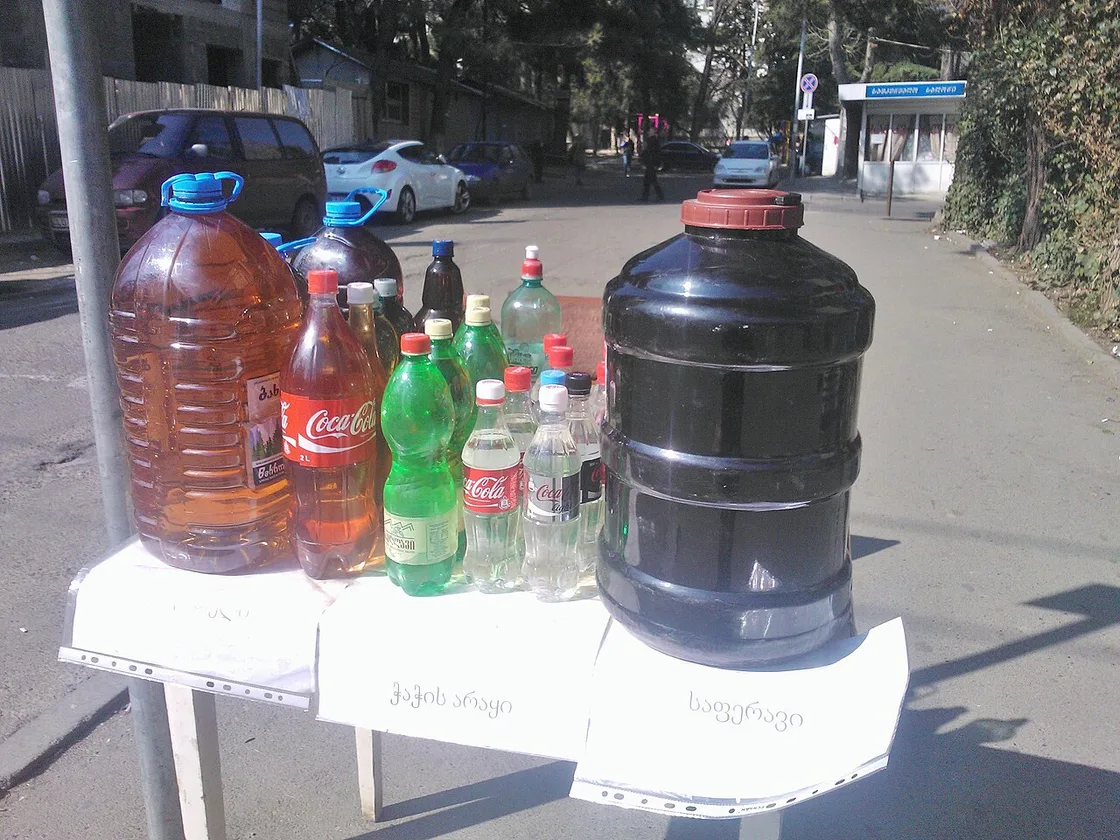
Stronger than wine is chacha, the clear grape brandy distilled from the pomace left after pressing - the Georgian answer to grappa, sometimes called “wine vodka”. Commercial bottles run around 40-50% alcohol; homemade chacha, poured freely in villages, can climb far higher, so treat that unlabelled bottle with respect and sip it. It appears as a welcome, a digestif, and famously alongside a morning bowl of khashi.
What it costs to eat (a guide)
This is a country-wide guide for 2026, not a fixed price list: central Tbilisi, Batumi and tourist spots are pricier, while the regions and simple canteens are noticeably cheaper. For exact figures, check the menu on the spot.
- Khinkali - about 1.5-2.5 GEL each.
- Khachapuri - Adjaruli ~14-22 GEL, Imeretian/Megrelian ~10-18 GEL.
- Mtsvadi (barbecue) - a portion ~15-28 GEL.
- Lobio - ~8-14 GEL; pkhali or badrijani - ~6-14 GEL.
- Churchkhela - ~3-6 GEL each.
- Wine - a glass ~6-12 GEL, a bottle or house wine in a jug ~20-45 GEL; a shot of chacha ~4-10 GEL.
Where to try it
You’ll find Georgian cuisine in any city, but the easiest places to start are Tbilisi and Batumi. For wine and country cooking, head to Kakheti - for example along the Kakheti wine in 2 days route, which strings together cellars, mtsvadi and a proper village supra. We round up tried-and-tested places by city in the where to eat section. If you’d rather pleat the khinkali yourself, cooking classes and food walks in Tbilisi are compared on one page, with prices from the operators’ own sites.
Read also

Food · 5 min read
Kakheti wine: what to try, tastings & how to get there
Updated · June 21, 2026Kakheti wine: qvevri and amber wine, Saperavi and Rkatsiteli, where to taste and how to get from Tbilisi. When to visit for rtveli and what to bring home.

Transport · 13 min read
Kutaisi Airport to Gudauri 2026: 4 h, Shuttle, Transfer, Car
Verified · October 24, 2026Kutaisi airport to Gudauri: 309-310 km, about 4 h by road. A 30 GEL coach to Tbilisi and a marshrutka, a transfer timed to your flight, the winter bus.

Entertainment · 11 min read
Cooking Classes in Tbilisi: What to Pick and What It Costs
Verified · October 17, 2026Khinkali and khachapuri classes in Tbilisi from 110 GEL: family home or food walk, prices from operators' own sites, kids, vegetarians, how to book.

Entertainment · 9 min read
Georgian Folk Shows in Tbilisi: Where to Go and Prices
Verified · October 19, 2026Georgian dance and polyphony in Tbilisi: Erisioni at the Sports Palace on 30 October 2026, Ethno Tsiskvili nightly, lari prices and what the dances mean.