
Kakheti wine: what to try, tastings & how to get there
Kakheti wine: qvevri and amber wine, Saperavi and Rkatsiteli, where to taste and how to get from Tbilisi. When to visit for rtveli and what to bring home.
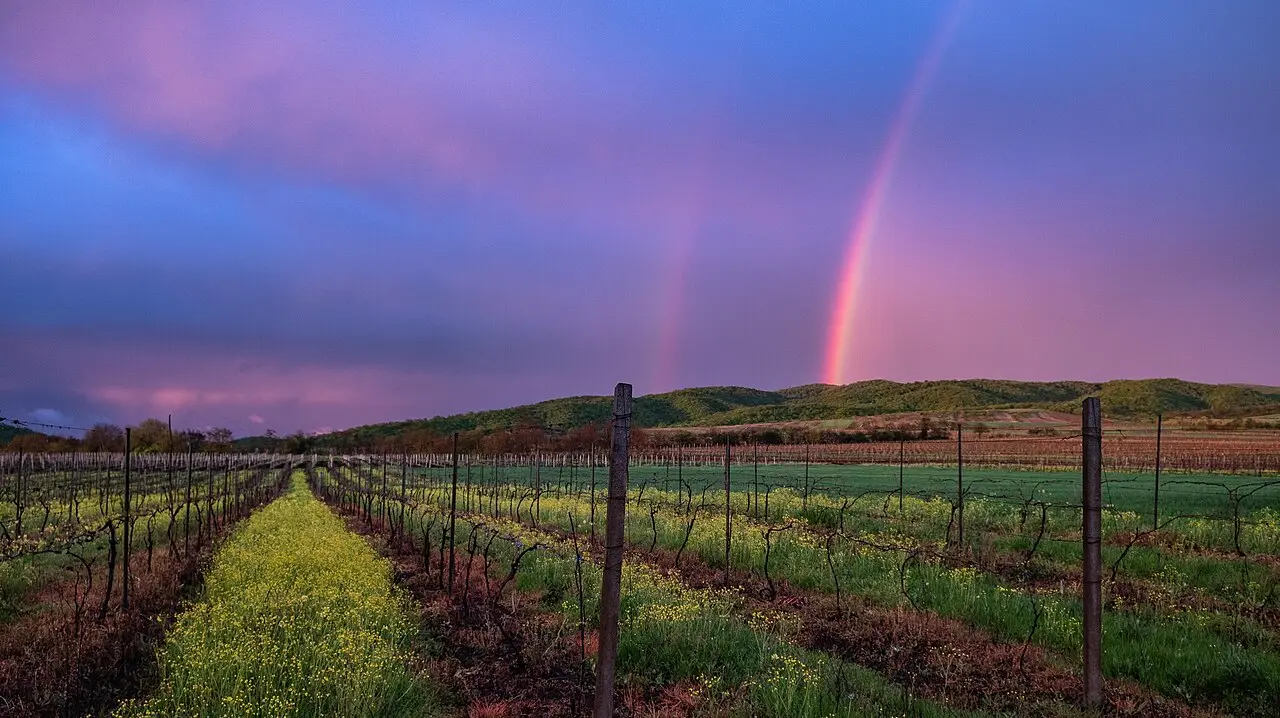
Kakheti is Georgia’s premier wine region: most Georgian wines come from here, and making wine in clay qvevri isn’t a museum gimmick but a living tradition. Below is what to taste first, how tastings at large wineries differ from those at small family cellars, when to go, and how to get there from Tbilisi.
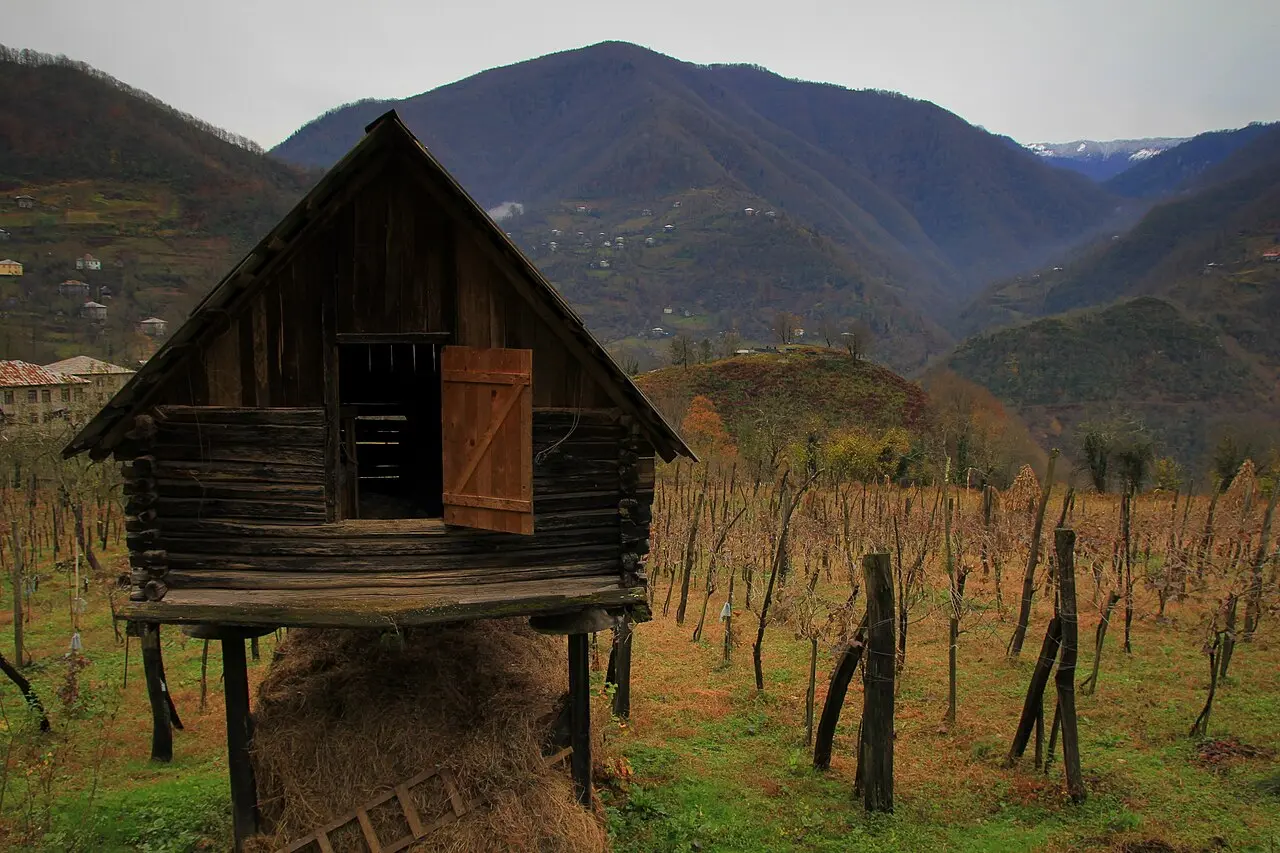

Why Kakheti wine is famous
Georgia is often called one of the cradles of winemaking - the tradition here goes back thousands of years. The defining local feature is the qvevri: large clay vessels buried in the ground, in which the wine ferments and ages together with the skins, seeds and sometimes the stems. This method is inscribed on UNESCO’s list of Intangible Cultural Heritage. It’s the qvevri that produces Georgia’s celebrated amber (orange) wine - a white made “like a red,” with long skin contact: deep colour, tannins and notes of dried fruit.
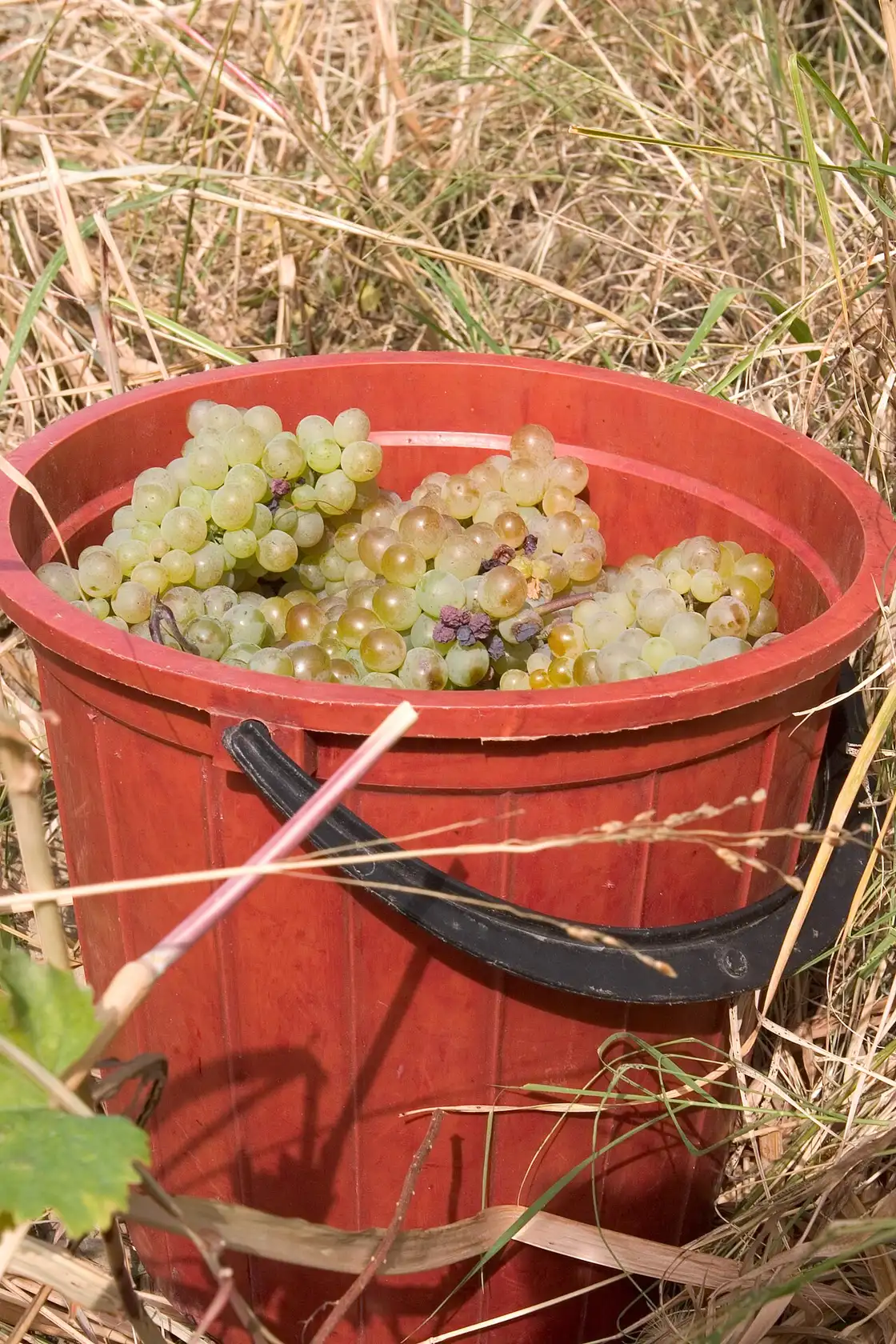

What to try: grapes and styles
So you don’t get lost among the dozens of names, here are your bearings:
- Saperavi - the leading red grape: dense, dark, with good acidity. The backbone of most Kakhetian reds.
- Rkatsiteli - the leading white grape; aged the classic way in qvevri, it turns into that signature amber wine.
- Mtsvane, Kisi - aromatic whites, often used in blends and as single-varietal bottlings at family wineries.
- Kindzmarauli, Akhasheni - naturally semi-sweet reds made from Saperavi with a protected designation of origin; tourists often seek these out, but the region’s dry wines are no less interesting.
A tip: try one wine in the European style (clean fermentation, no long skin contact) and one qvevri wine - the difference on the palate is clearer than any description.
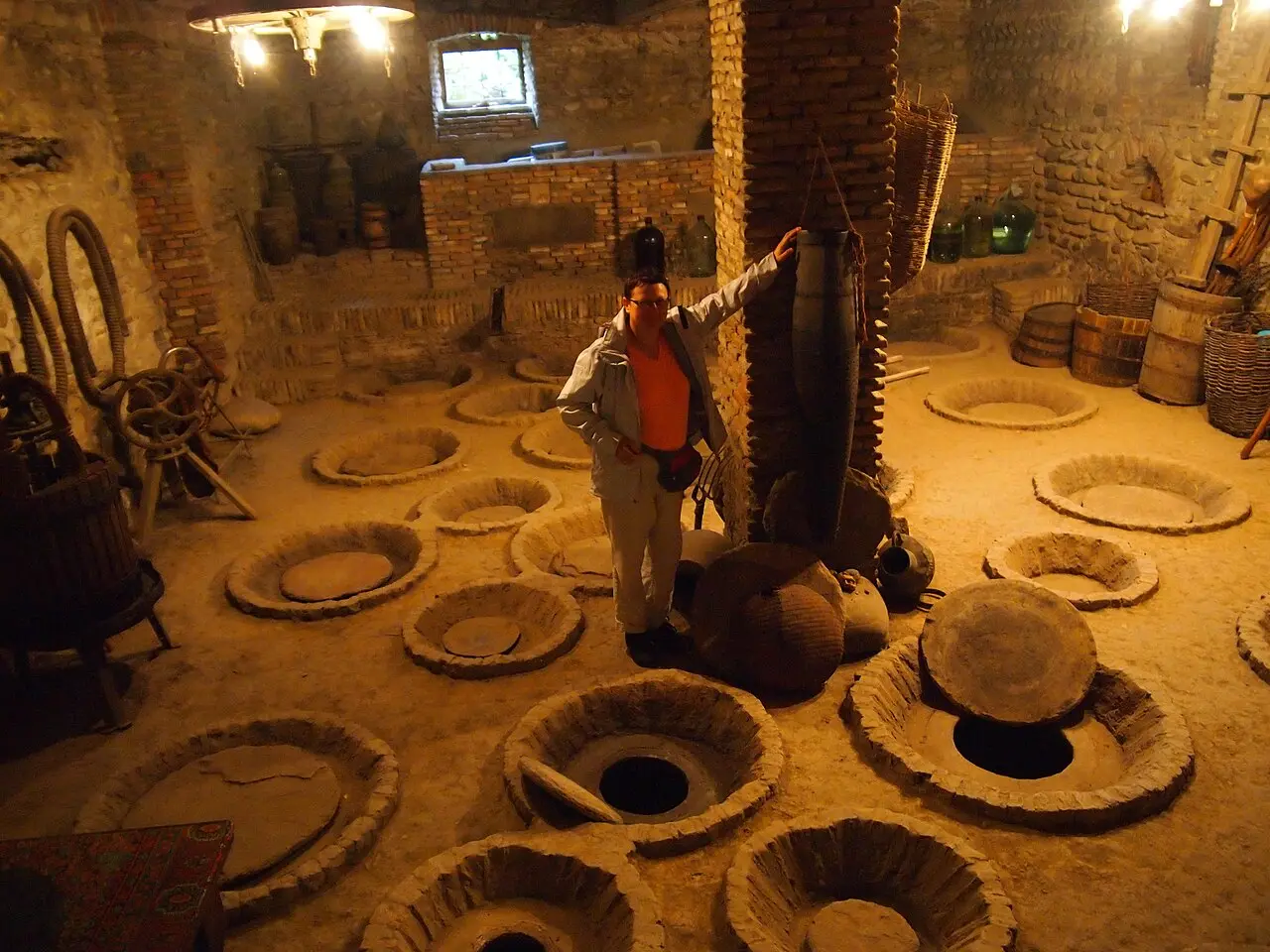

Where to taste: large wineries and family cellars
Kakheti offers two very different experiences:
- Large wineries and wine houses (around Telavi, Tsinandali and Kvareli) - a tour of the production, tasting flights, a restaurant, sometimes a hotel. Convenient without a car and without booking ahead.
- Family wineries - more intimate and personal: the owner pours and talks you through it himself, often alongside home-cooked food. Here it’s usually worth arranging your visit in advance, especially for small groups.
We add specific wineries as we check them in person and cross-reference with locals - we don’t reprint other people’s ratings word for word but use them as a filter for our selection.
How much it costs and whether you need to book
Tasting prices vary a lot by format (just a few samples versus a flight with food and a tour) and they change - check the current price with the winery itself; we won’t quote outdated figures. The general logic: large wineries run on a schedule and often accept walk-ins, while family cellars work by prior arrangement. In high season and during rtveli, book ahead.
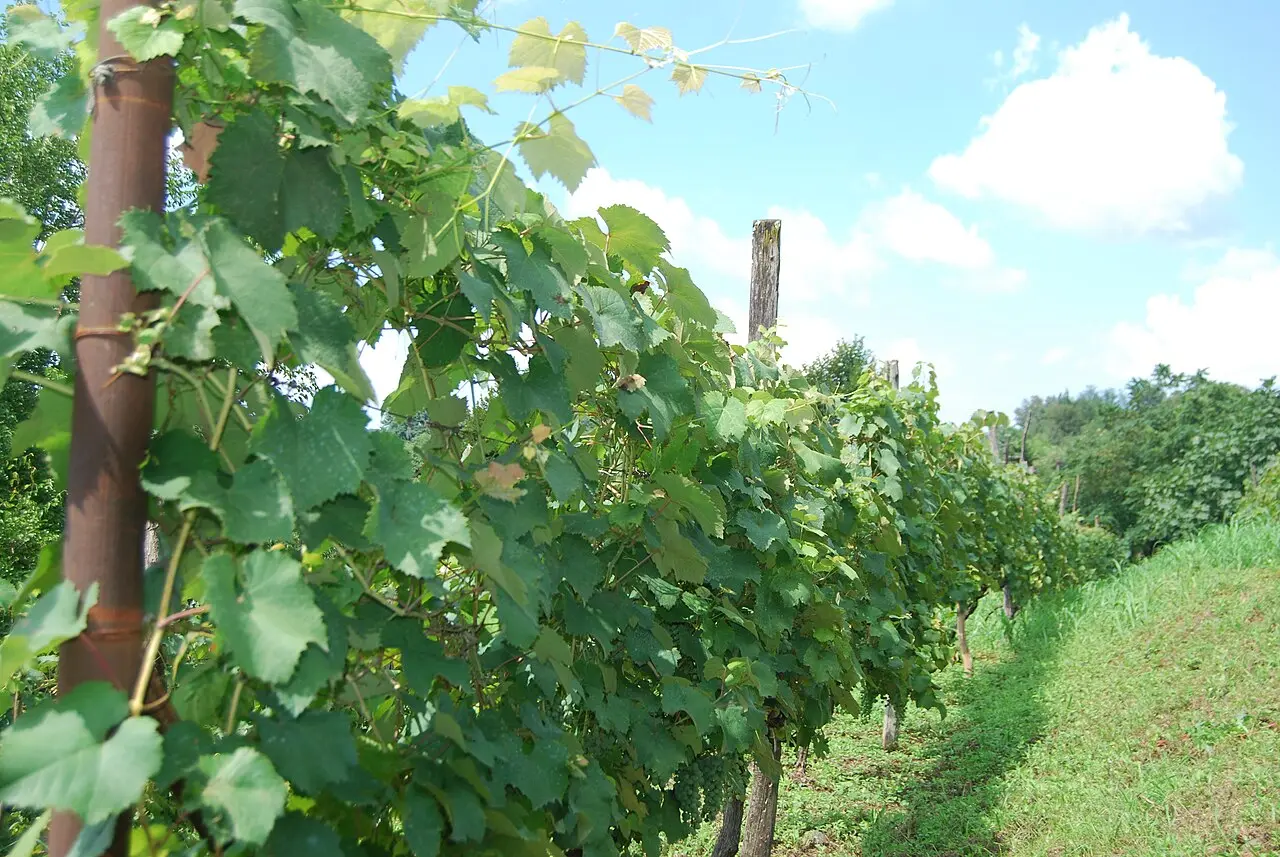

When to go: the rtveli season
Rtveli is the grape harvest and the season of young wine, usually September-October (exact dates depend on the grape variety and that year’s weather). It’s the most atmospheric time: grape pressing, harvest festivals, wineries running at full tilt - but also the busiest period, so it’s best to plan accommodation and tastings in advance. Outside rtveli is wonderful too: fewer people and a calmer pace. To fit the timing into your whole trip, see our planning material.
How to get there from Tbilisi
Wine country in Kakheti starts roughly 1.5-2 hours’ drive from Tbilisi. The main hubs are Telavi, Sighnaghi (the “city of love” on a hill above the Alazani Valley) and Kvareli. Your options:
- By car - the most flexible way to cover several wineries in a day; remember you can’t taste while driving, so bring a non-drinking driver or stay overnight.
- On a tour - convenient if you’d rather not drive: wine tours from Tbilisi usually combine 2-4 stops in a day with tastings. Real prices from two operators, private car versus small group, are compared in Kakheti wine tours from Tbilisi.
What to bring home and how to avoid mass-market bottles
The best wine is usually bought at the winery itself, not in souvenir shops along the highway. Buy what you’ve tasted and enjoyed; qvevri amber wine and a good Saperavi make excellent edible souvenirs. Ask about export rules and how to pack the bottles safely in your luggage.
What to read next
- More of Georgian cuisine worth trying - the guide to what to eat in Georgia.
- A ready-made wine itinerary - Kakheti: wine in 2 days.
- The region’s main towns - Sighnaghi and Telavi.
- Near the wineries - the Alaverdi and Bodbe monasteries.
- Our full directory of vetted places - the Food section.
Read also

Food · 12 min read
What to eat in Georgia: cuisine, khachapuri and wine
Updated · July 5, 2026The key dishes of Georgian cuisine: khachapuri, khinkali, mtsvadi, lobio, churchkhela and qvevri wine. What you must try when you visit Georgia.

Transport · 13 min read
Kutaisi Airport to Gudauri 2026: 4 h, Shuttle, Transfer, Car
Verified · October 24, 2026Kutaisi airport to Gudauri: 309-310 km, about 4 h by road. A 30 GEL coach to Tbilisi and a marshrutka, a transfer timed to your flight, the winter bus.

Entertainment · 11 min read
Cooking Classes in Tbilisi: What to Pick and What It Costs
Verified · October 17, 2026Khinkali and khachapuri classes in Tbilisi from 110 GEL: family home or food walk, prices from operators' own sites, kids, vegetarians, how to book.

Entertainment · 9 min read
Georgian Folk Shows in Tbilisi: Where to Go and Prices
Verified · October 19, 2026Georgian dance and polyphony in Tbilisi: Erisioni at the Sports Palace on 30 October 2026, Ethno Tsiskvili nightly, lari prices and what the dances mean.