
Rtveli 2026: when to harvest grapes in Georgia
Kakheti harvest peaks mid-September to mid-October 2026. Where to base, which wineries named dates, and how to join without a ticketed festival.
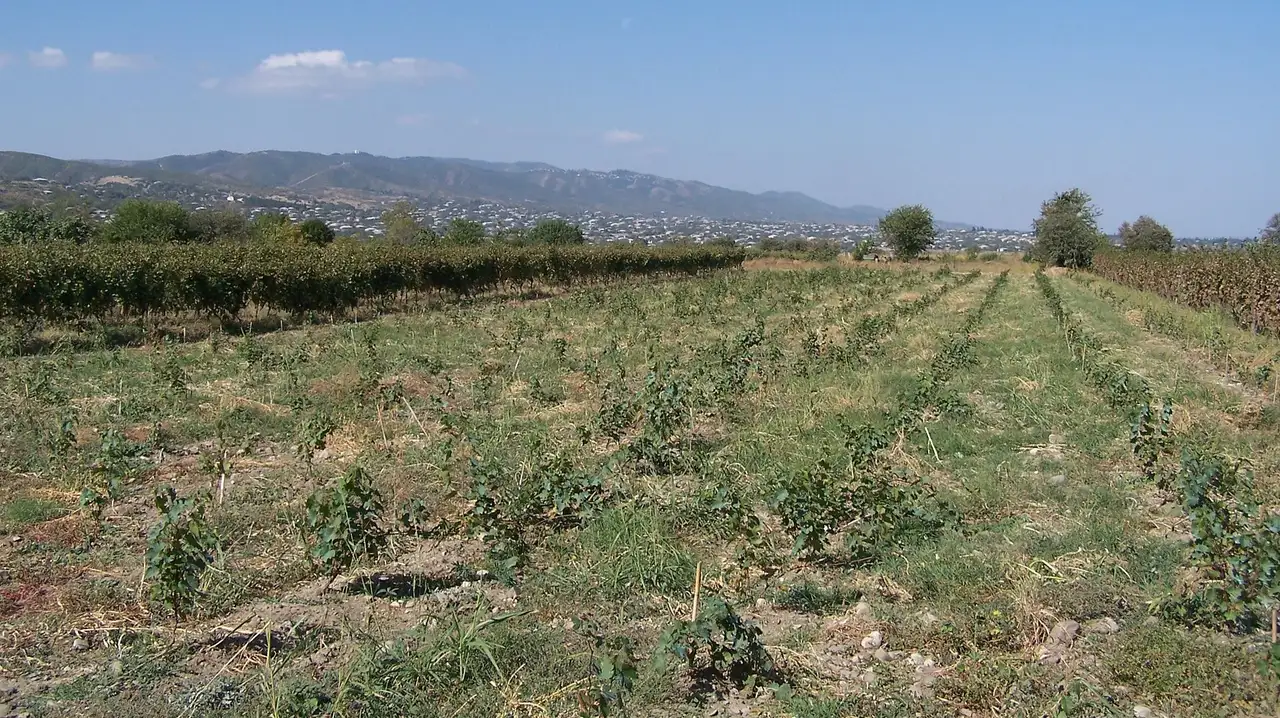
Rtveli in Kakheti is not a weekend festival you buy a wristband for. Georgia’s official tourism site puts the country’s harvest starting in September with Rkatsiteli in Kakheti, and the Telavi page - checked 17 August 2026 - says the visitor peak runs mid-September to mid-October. If you’re flying in for the crush, that window is the one to book around. Exact days still belong to the grapes, not to a poster.
The usual mistake is treating it like a city fair with a stage and a closing time. Families pick when the sugar is right, press the same day, and eat afterwards. A guest day can be real work on a real row, or a shorter simulation that runs whether or not that family’s fruit is ready. Mix those up and you’ll spend a harvest week stomping last week’s grapes.
Monasteries, two bases and the shape of the valley live on the Kakheti region guide. Ordinary tasting-day prices from Tbilisi live on Kakheti wine tours. This page is the calendar and the door onto a vineyard.
A window, not a Saturday
Georgia.travel is blunt about the national span: Rtveli starts in September with Rkatsiteli in Kakheti and finishes in December with Chkhaveri in Guria and Ajara. “Come for harvest” with no region attached is a useless sentence. Kakheti is where you should aim. The west keeps going after the Alazani has already moved on to young wine and churchkhela.
Inside Kakheti, the Telavi page on the same official site is the one to trust for 2026: the traditional harvest peaks from mid-September to mid-October. WineTourism.com, listing the season as a GNTA / local-community event, gives the same 2026 frame - September to mid-October, still marked TBC - and sends you back to georgia.travel. There isn’t a single ticketed “Rtveli 2026” with a box office.
What has been dated, as of 17 August 2026, is individual hosts. Rostomaant Marani in Telavi published a visitor season of 10 September to 10 October 2026, and sets a new one each harvest, with confirmed experience days on 15, 19 and 25 September and 9 October still pending on grape condition. Start is 10:00-12:00. Vineyards are in Kurdghelauri and Ruispiri. The basic day is 350 GEL a person (group 2-15); Telavi hotel pickup is free, a round trip from Tbilisi or Sighnaghi is 300-350 GEL per group. Those numbers are the winery’s, not a marketplace guess - don’t pay a deposit until you’ve checked the booking page, because harvest days move.
Eat This Tours, a Tbilisi operator that already runs regular Kakheti days, has a separate 2026 harvest calendar: late August to early November, peak early September to mid-October. Their “Everyday” Telavi harvest day is listed from 410 GEL, Tuesday / Thursday / Saturday in September and October. “Real Family” days start from 375 GEL, on one-off dates that can shift a few days with the weather. That split matters more than the GEL figure. Everyday is a simulation you can lock on a calendar; it doesn’t wait on the family’s fruit. The family product is the actual pick, and they say so.
The industrial harvest is a third clock. The National Wine Agency’s 2025 season had already processed 330,000 tonnes nationwide by 23 October - a 30-year record - of which about 323,000 tonnes were Kakheti (roughly 170,000 Rkatsiteli, 134,000 Saperavi). In 2024 Kakheti started on 13 August, earlier than usual. A tourist programme dated 25 September can be honest and still not be “the” harvest: commercial tanks may have been filling for weeks. If you want the family’s own fruit in the satsnakheli, don’t trust a poster date - book a host who will say which day the row is coming in, and keep a spare day.
Kakheti first, then west and higher
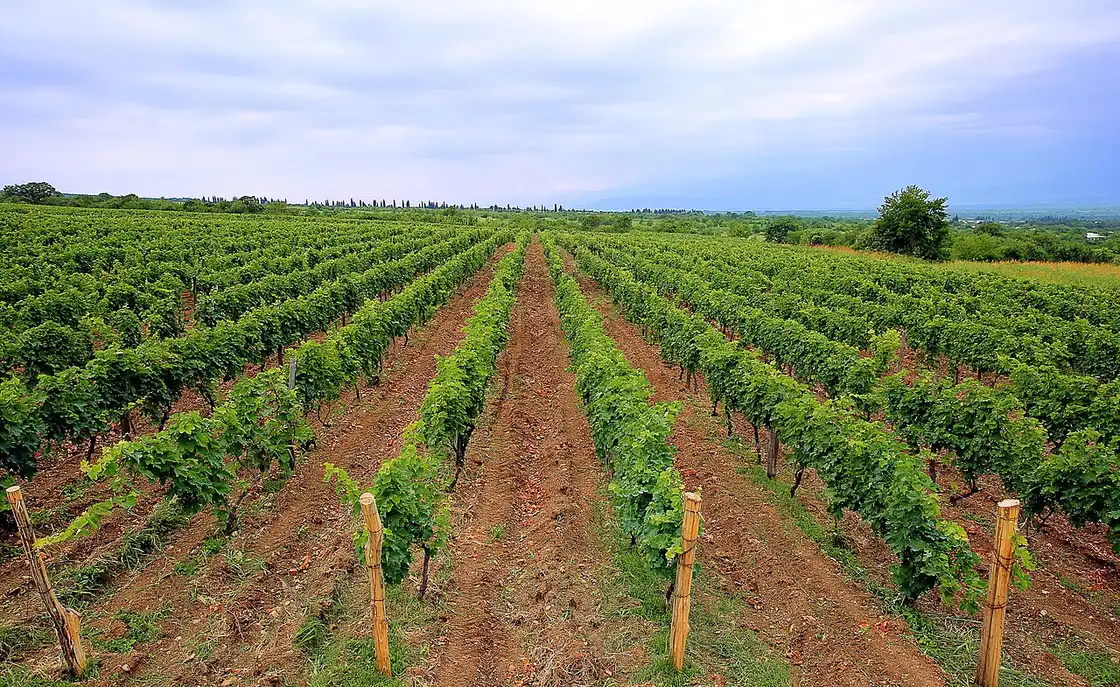
Georgia.travel’s autumn page says Rtveli is most often associated with Kakheti, and that hosts there will let guests pick Rkatsiteli, Saperavi, Mtsvane and other varieties by hand. That’s the practical reason to aim the harvest here rather than “somewhere in Georgia”: the density of cellars, guesthouses and published visitor days is here. The same official page counts 525 grape varieties endemic to Georgia; you will not taste your way through them in a week, and you shouldn’t try.
Kartli, closer to Tbilisi, and Imereti around Kutaisi sit later on the same national clock. Guria and Ajara, with Chkhaveri, can still be picking in December. Racha is the mountain case: in 2024 the National Wine Agency had Racha starting 23 September and Lechkhumi on 4 October. If Kakheti is already on machari - the new fermenting wine that has to be stirred several times a day - the west may only be getting going. Don’t stitch Kakheti and a Racha harvest into one long weekend. You’ll miss both.
Kvareli is the third Kakheti base people forget. Kindzmarauli country sits on the northern side of the Alazani, a short hop from Telavi, and the cellars there are built around Saperavi. It is not prettier than Sighnaghi. It is closer to the rows if the point of the trip is picking, not a wall at sunset.
Sleep where the rows are
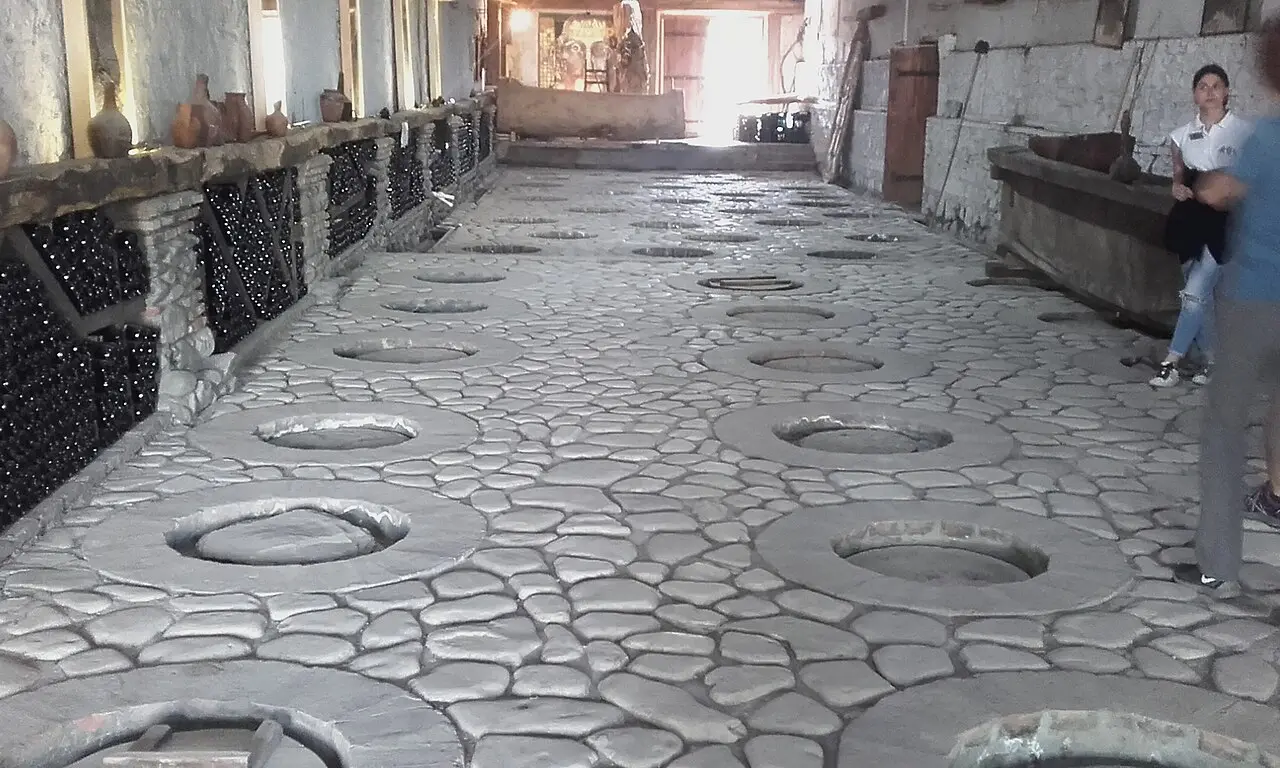
Telavi is the harvest base. It’s the regional capital, the place with the most beds, and the place Rostomaant and the Telavi-side operators actually pick up from. You’re in the valley in the morning instead of crossing a pass to start work. The Telavi page is the town; this page is why you’d sleep there in September rather than treat it as a lunch stop.
Sighnaghi is the postcard. The wall and the view are real, and the southern rim has its own family cellars. As a harvest HQ it’s weaker: you drop into the valley first, then drive. If the invitation is in Gurjaani, Akhasheni or Telavi, a Sighnaghi bed adds a transfer you will feel at 7am. Keep Sighnaghi for a night when the picking is done, not as the default.
Tsinandali sits between them and has its own problem in 2026. The Tsinandali Festival runs 3-13 September at the estate - eleven days of concerts, not grapes. Those dates sit at the front of the harvest window. Rooms in the Telavi-Tsinandali pocket get bid up by people who came for the programme, not for a satsnakheli. If your harvest days are mid-September, book the bed before you book the vineyard. The festival site lists the concerts; the wineries do not hold rooms for you.
A night on a family marani is the romantic version. It works when the host has rooms and the pick is tomorrow morning. It fails when you’ve got one car and nobody staying sober, or when the “winery stay” is a hotel with a tasting room attached. A bought tasting day belongs on the tours page. An overnight loop belongs on the two-day wine route. Harvest is the third thing: you need to be in the village at dawn, not arriving from Tbilisi at eleven.
Three ways onto a vineyard
Walk-up picking is a myth you should retire. Cellars are working. The polite version is: book, or arrive through a guesthouse that already knows whose row is coming in.
A family host with a 2026 page. Rostomaant is the one that, on 17 August, had named days and a price. Places.georgia.travel lists other cellars that offer harvest as an activity - Wine Yard N1 in Akhalsopeli, Kvareli municipality, is one - without publishing 2026 dates. That’s the common pattern: the activity exists, the calendar doesn’t. Write, ask which week their Rkatsiteli is coming in, and don’t treat a “we do Rtveli” sentence as a reservation.
A harvest-specific tour. This is not the same product as a standard Kakheti tasting day. Eat This Tours says so: the everyday harvest is a paced simulation (often juice, not the family’s wine), and the real family days are limited, weather-moved, and they expect to run no more than about 25 of them in 2026. If your flights can’t move, take the simulation and stop pretending. If you can shift three days, get on the family waitlist. Ordinary tasting-day comparisons stay on the wine tours page. Don’t reuse those prices here; harvest days are a different product.
Your guesthouse’s neighbour. This is still how a lot of Kakheti works, and it’s the one you can’t screenshot. A bed in Telavi or a village along the Alazani is the invitation more often than a landing page. It is also how people end up with no bed on a peak weekend. Book the room first.
What you should not do is turn up at a large estate at 10:00 in late September and expect to be handed shears. Khareba, Tsinandali Estate and the other walk-in cellars will still pour last year’s wine. That is a tasting. It is not Rtveli.
What you actually do that day
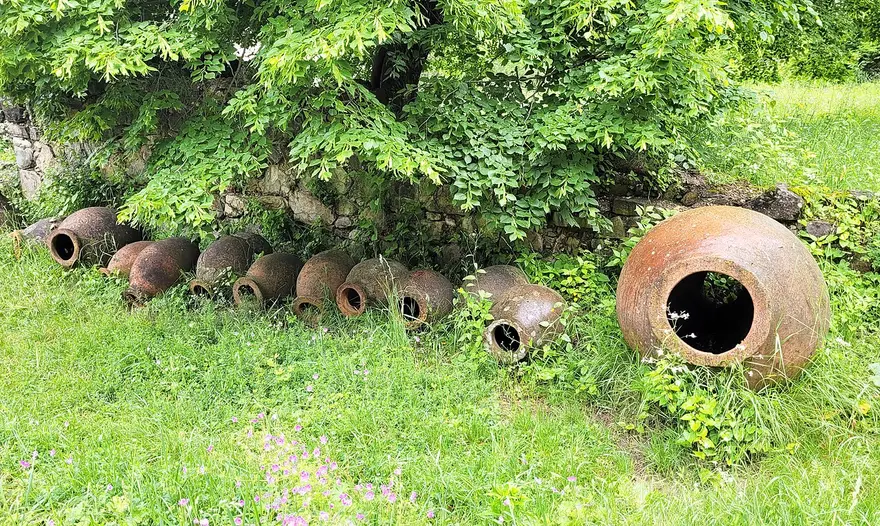
Georgia.travel’s Rtveli page is the honest sequence, and it’s shorter than the brochures. Relatives gather. Picking starts early. The fruit has to be pressed the same day so it doesn’t spoil overnight. The press is a satsnakheli - wood, clay or stone. Feet are still the preferred tool in family cellars because they don’t smash the klerti, the stems; broken unripe stems make the wine harsh. Then the must goes into qvevri or tanks, and the host lays a supra. In the east that often starts with tone bread; the west leads with khachapuri. After that the work is machari: stir, watch the temperature, wait until spring to find out if the year was any good.
UNESCO inscribed the qvevri method in 2013. The listing is about communal harvest and wine-making, not a museum jar. If a day offers a qvevri photo and twenty minutes of picking, you’re on the simulation. If you’re still in the row at noon and the satsnakheli is waiting in the yard, you’re closer to the real thing.
Churchkhela - walnuts dipped in thickened grape must - belongs to the same autumn, and georgia.travel’s autumn page invites you to dip your own string. It is not the harvest. It’s what you do with juice that isn’t going into wine. Fine as a side hour. A poor substitute if you came to pick.
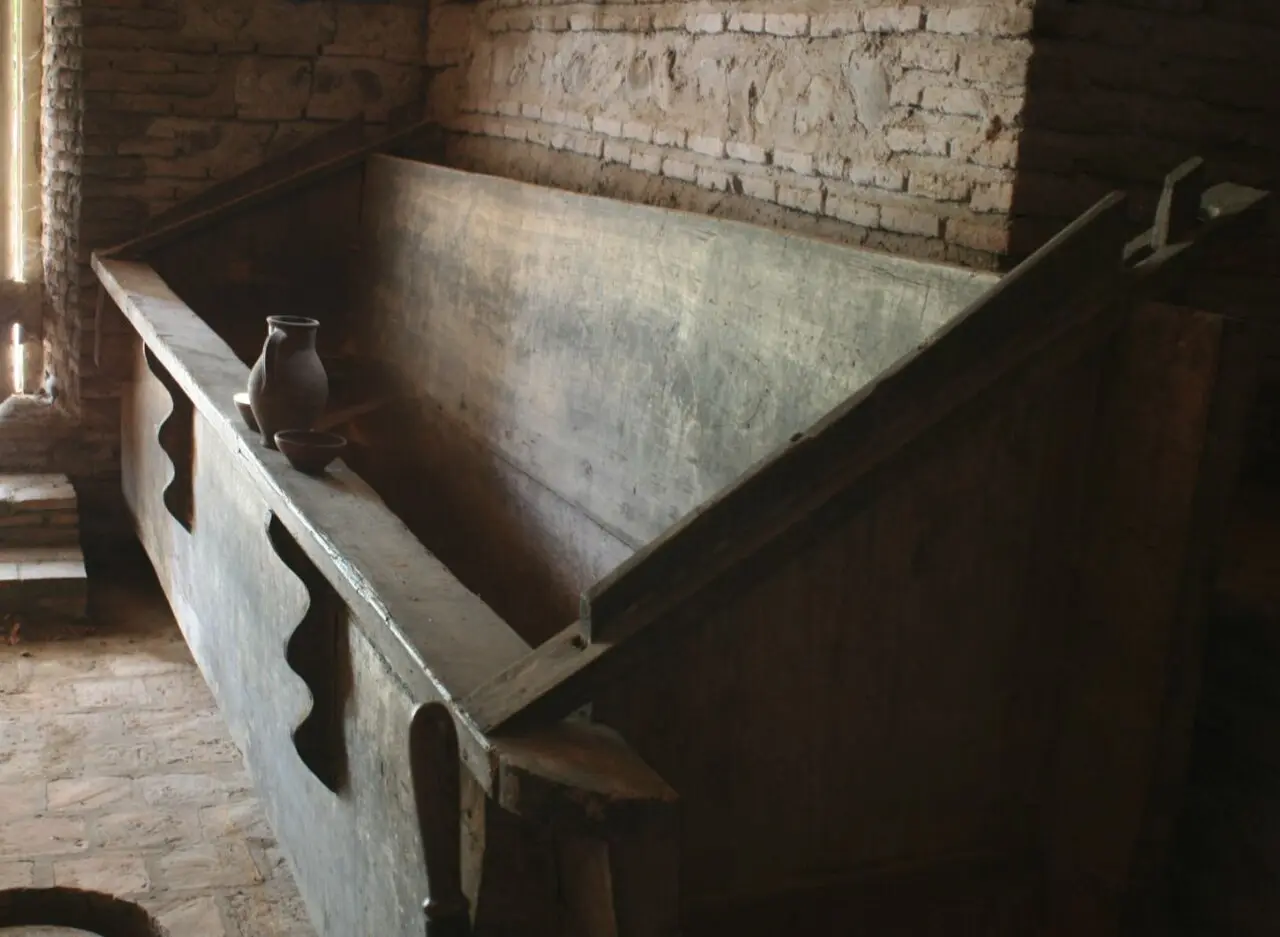
Wear shoes you can ruin. Bring a hat. Don’t wear white. Rostomaant’s rain plan is useful even if you’re not going there: they keep going indoors with pre-picked fruit. A real family pick in a downpour just moves. That’s another reason the simulation exists.
Grape varieties, amber wine and what to buy to take home are in the Kakheti wine primer. The country-wide season frame is in best time to visit Georgia.
If you only have a day from Tbilisi
A day trip can catch a harvest activity. It cannot catch a family’s whole Rtveli. Pickup from the capital, a couple of hours on the road, an hour in a row, lunch, a tasting, back after dark: that’s the everyday product, and it’s a fair one if you say so out loud. Rostomaant’s Tbilisi transfer at 300-350 GEL per group is the self-arranged version of the same geometry. Either way you’re a guest on a working day, not a relative who stayed the week.
If you can overnight, sleep in Telavi the night before the pick. The 7am start is the difference between “we stomped some grapes” and “we were there when the row came in.” Leave Sighnaghi and the monasteries for the afternoon after, or for a second day.
Book in this order: flights that can flex a few days inside mid-September to mid-October; a Telavi bed that isn’t competing with Tsinandali Festival (3-13 September 2026); then a host or harvest tour that will tell you, a week out, whether the fruit is actually coming in. The grapes don’t wait for your Saturday. That’s the whole point.
Read also

Before you go · 8 min read
Georgia in winter: weather, cities and ski season
Updated · September 3, 2026Winter in Georgia: Tbilisi averages 3.4 °C in January, days run nine hours, ski season from late December, sulphur baths and cheaper city rooms.

Before you go · 9 min read
Georgia vs Armenia: Where Should You Fly?
Updated · September 3, 2026Georgia or Armenia in 2026: visas, flights, Black Sea vs Sevan, published tariffs side by side, and when both countries beat picking one.

Before you go · 11 min read
Tbilisi or Batumi: Which One Should You Visit
Updated · September 11, 2026Tbilisi or Batumi: climate, rain, lodging and who each city suits. Batumi gets five times more rain than Tbilisi a year - it changes the choice.

Before you go · 9 min read
Kakheti region guide: Telavi, Sighnaghi, monasteries
Verified · August 15, 2026Kakheti mapped: Telavi vs Sighnaghi as bases, Alaverdi, Bodbe and Gremi, season, and how a day trip or 2-day wine route fits.