
Tbilisi or Batumi: Which One Should You Visit
Tbilisi or Batumi: climate, rain, lodging and who each city suits. Batumi gets five times more rain than Tbilisi a year - it changes the choice.
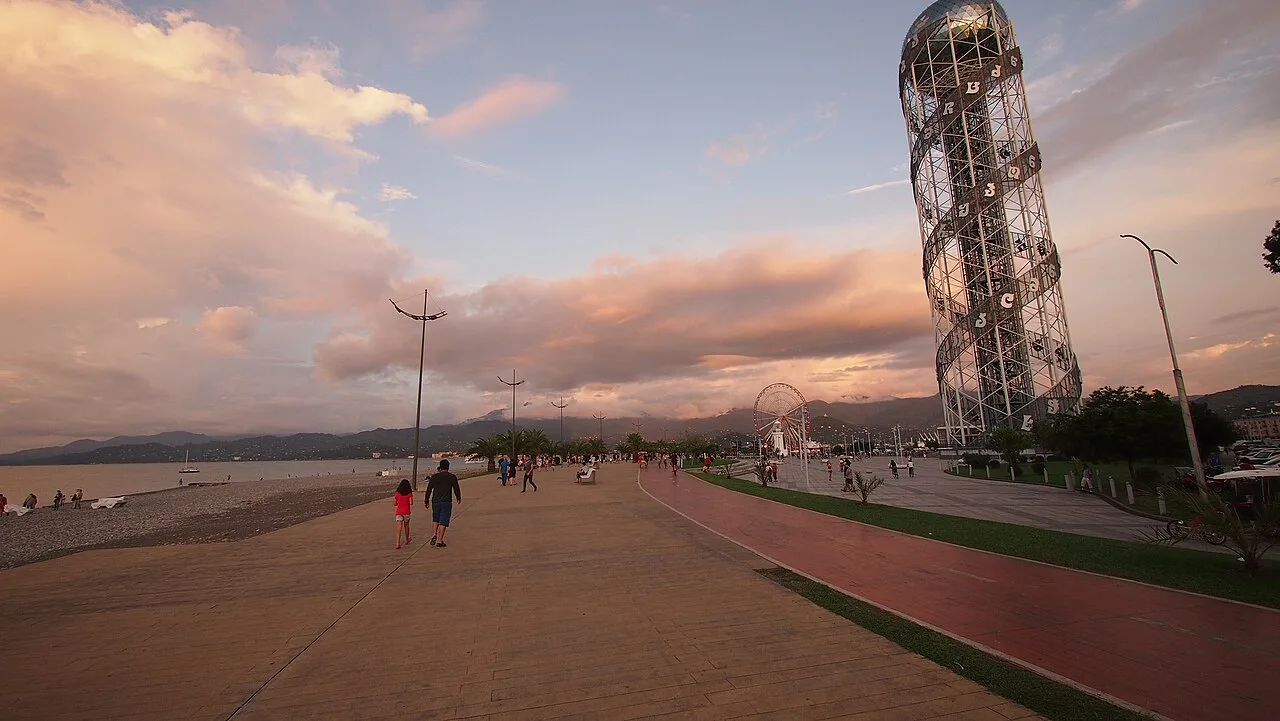
Short answer: if your trip is shorter than five days, it’s usually smarter to pick one city, not both. Tbilisi works for history, food and wine year-round; Batumi is about the sea and about nights - waterfront club life led by Batumi’s flagship club Teatro - but only from June through September, and even then you need a rain plan. On a week or longer you don’t have to choose: the two cities sit about 4 hours apart by train, and it’s reasonable to do both, a few days in the capital and the rest on the coast.
The choice usually comes down to two numbers, not taste. Batumi is the rainiest city in the Caucasus, with about 2,435 mm of rain a year, and even in May, its driest month, the coast gets more rain than Tbilisi does in June, its wettest. If you carry an umbrella “just in case” on Georgia trips, in Tbilisi it’ll probably sit unused at the bottom of your bag - in Batumi it won’t. That’s a gap worth planning around before you book, not after.
Checked 19.08.2026. Climate figures are from the climatestotravel.com 1991-2020 normal for both cities. The Tbilisi-Batumi train got noticeably faster in August 2026 after track work. Lodging, dolphinarium and ticket prices are approximate and seasonal - check them on the linked guides and operator sites before you travel.
Quick answer: which one to pick
| Factor | Tbilisi | Batumi |
|---|---|---|
| Best season | year-round | June to September |
| What you’ll do | history, wine, restaurants, mountains nearby | beach, seafront, nightlife |
| Rain per year | ~510 mm | ~2,435 mm |
| Same-tier lodging | cheaper on the left bank | pricier on the boulevard |
| A rainy day | barely changes your plans | forces a rethink |
| Traveling with kids | museums and parks year-round | beach and dolphinarium, summer only |
Climate and season: when each city works best
Tbilisi and Batumi are only about 360 km apart by road, but the climate is nothing alike. Tbilisi is continental: a dry, hot summer and a cool, dry winter, plus an adult evening year-round - from wine bars to Tbilisi casinos. Batumi is humid subtropical: muggy in summer, wet in winter.
Tbilisi runs hot in summer, daytime highs around 28-32°C, occasionally past 35°C. The rain doesn’t follow a straight line, though: June is Tbilisi’s wettest month of the year, 84 mm, while July and August are actually among its driest, 42 mm and 39 mm, less than even April gets. So Tbilisi’s rainy stretch wraps up right as the heat peaks. Batumi’s air is milder over the same three months, 24-28°C, and the sea warms to 26-27°C, but August alone brings the year’s heaviest rain, 205 mm and around 11-12 rainy days, and the humidity off the sea makes it feel muggier than Tbilisi’s dry heat.
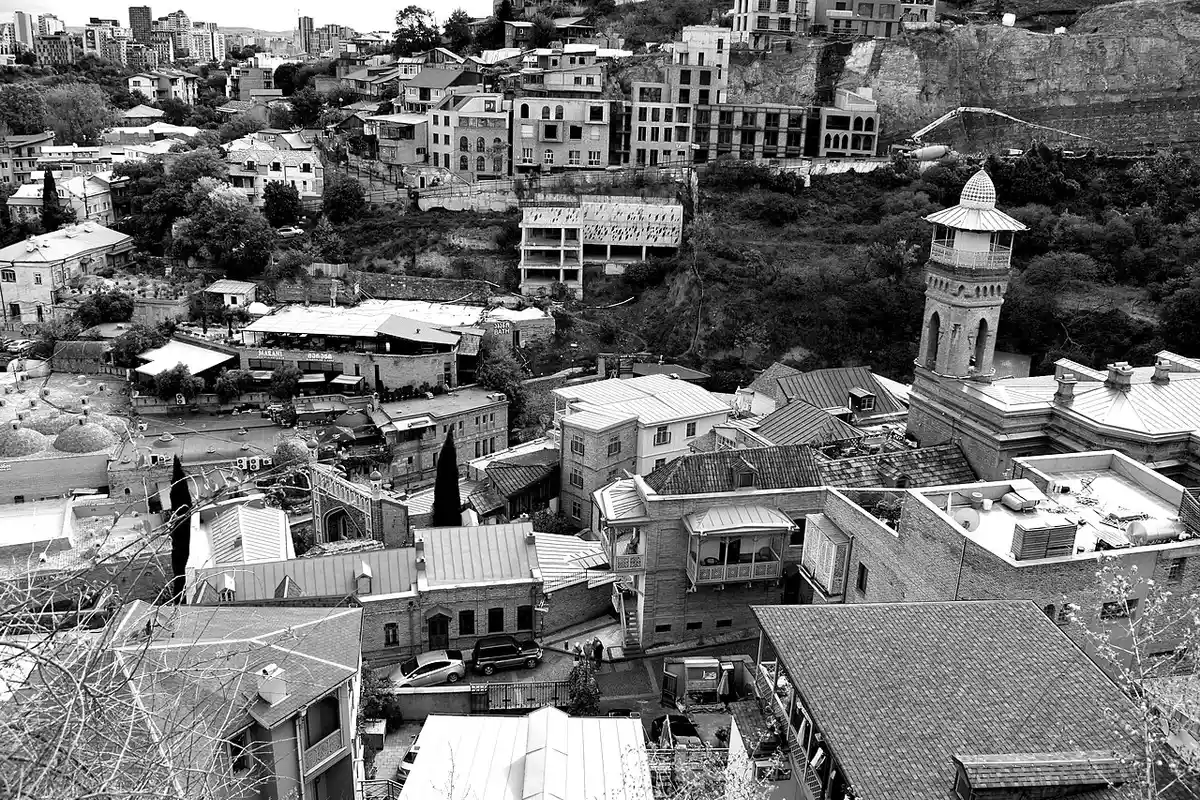
That June peak, 84 mm, is Tbilisi’s wettest month, full stop. Batumi’s driest month, by comparison, is May, at 108 mm. So even at its best for weather, the coast still gets more rain than the capital does at its worst. Over a full year the contrast is sharper still: about 2,435 mm against 510 mm, nearly five times more. Plan a trip around “average temperature” alone and you’ll miss exactly this.
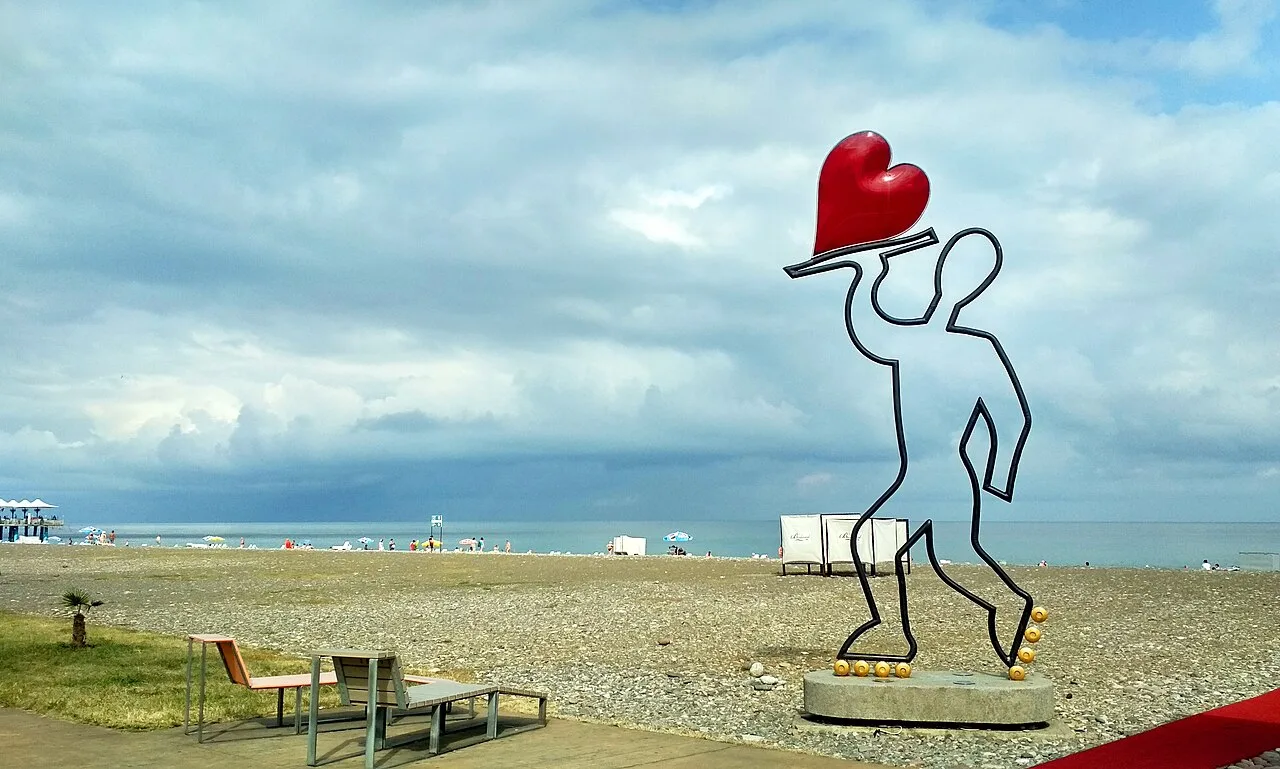
In autumn, September and October, Tbilisi cools to a comfortable 20-27°C and stays dry, the best window for city walks and wine trips to Kakheti. At the coast, the sea still holds around 25°C in early September and the crowds thin out, but the rain picks up again by the end of the month. Winter keeps Tbilisi cool and largely dry: January and February are the driest months of the year. Batumi slides into the low season at the same time: rain, almost no tourists, beach infrastructure closed. For the full month-by-month picture, see our guides to the best time to visit Georgia and when to swim in Georgia.
Sea or city: what a day actually looks like
The real difference between the two isn’t the temperature, it’s how the day itself unfolds. A typical day in Tbilisi starts with the climb up to Narikala before the heat sets in, lunch in an old-town basement restaurant, a museum or the sulphur baths through the middle of the day, and an evening by the river or in a wine bar in Sololaki. The city’s program barely depends on the weather; at worst you push a walk back an hour.
A day in Batumi is built around the seafront: an early swim while the beach is still empty, lunch at a boulevard cafe, the Argo cable car up to the viewpoint, then Piazza Square and Europe Square in the evening, a casino if that’s your thing. But the plan leans on the weather much harder: strong wind is what actually pauses the cable car (light rain usually doesn’t bother it), while low cloud or a downpour kills the swim and the view alike - Batumi has fewer backups for a day like that than Tbilisi does.
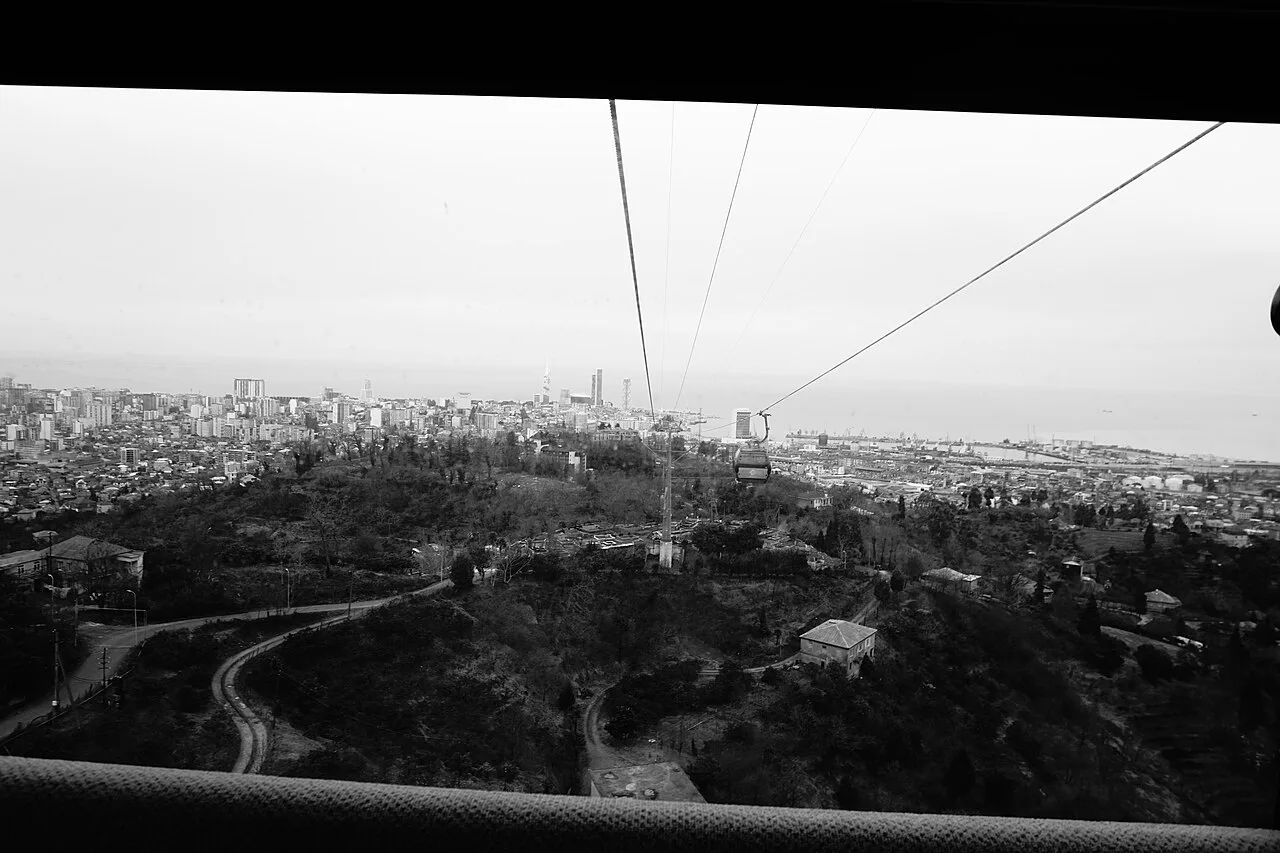
Tbilisi forgives bad weather, Batumi doesn’t. That’s not an argument against the sea - it’s an argument for keeping a backup plan in your pocket for every day you spend in Batumi.
Where to stay and what it costs
Money doesn’t really separate the two cities; it’s the neighborhood and the season within each one that do. The same tier of lodging, a guesthouse, an apartment, a 3-4 star hotel, costs about the same whether you’re in Tbilisi or Batumi. The comparison worth making isn’t city versus city, it’s address versus address within your own city.
In Batumi, a room on the boulevard or in New Batumi, with skyscraper and sea views, costs noticeably more than the same quality in Makhinjauri, 15-20 minutes away by bus. Tbilisi works the same way: the Old Town and Sololaki cost more, the left bank and Saburtalo cost less, and the gap between the same hotel in July and in November is often bigger than the gap between neighborhoods. For the district-by-district breakdown, see where to stay in Batumi and where to stay in Tbilisi.
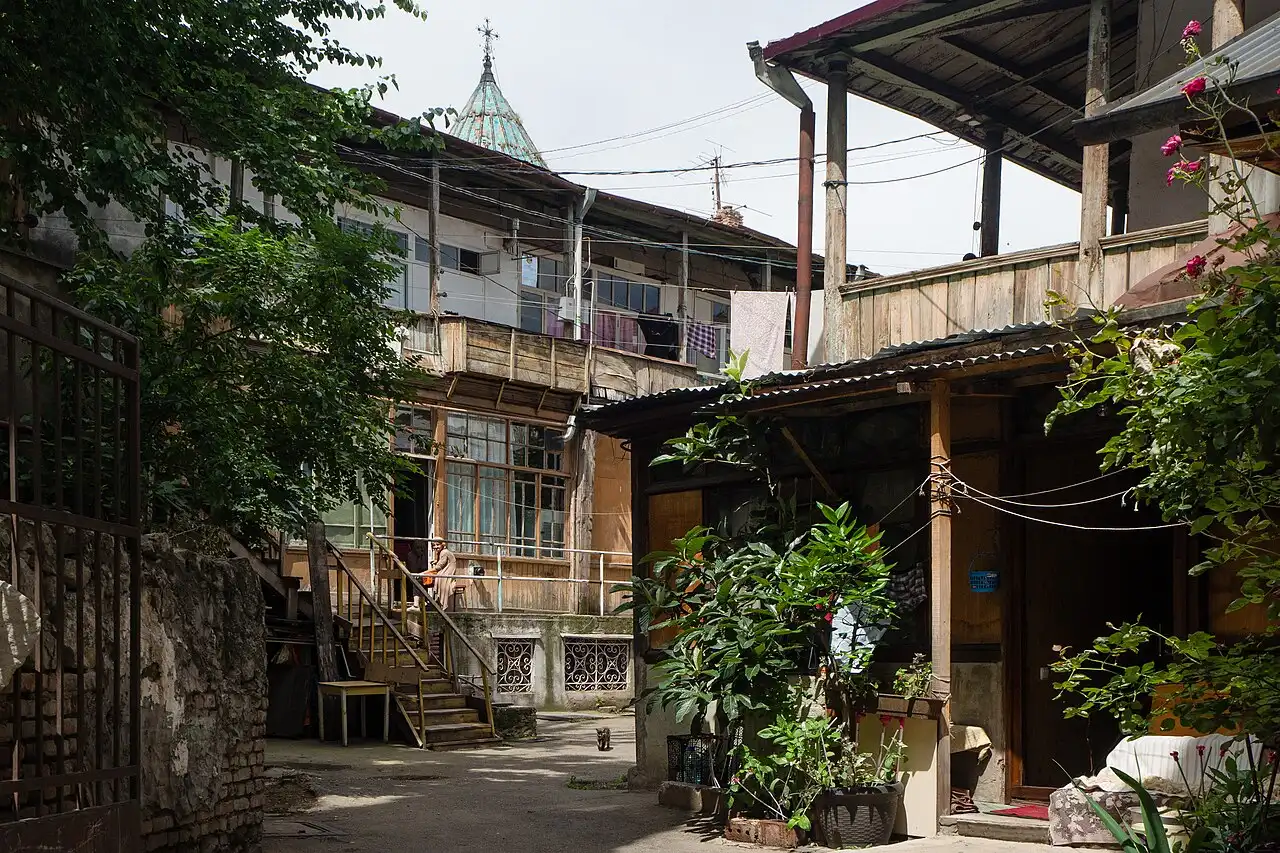
If budget is what decides it, the same trick works in both cities: book 10-15 minutes from the main square and travel in the shoulder season, April to June or September to October. For current amounts by category, see how much a Georgia trip costs.
If it rains
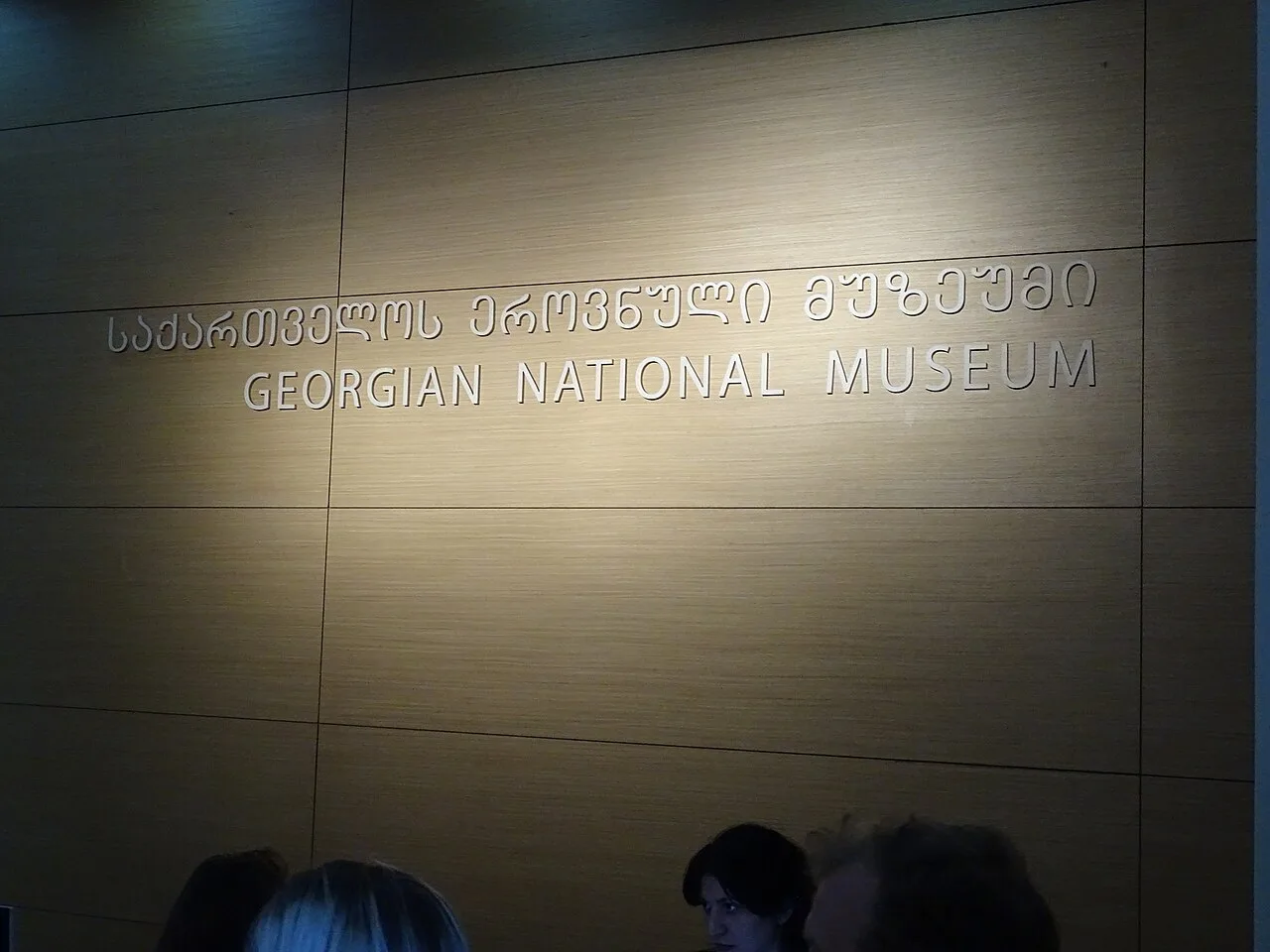
In Tbilisi, a rainy day gets absorbed without much effort by museums, the Abanotubani sulphur baths and covered markets; there’s enough here that you barely notice a lost day outdoors. The Georgian National Museum on Rustaveli Avenue alone has several floors of permanent exhibits in its main building.
Batumi’s backup plan is shorter: the aquarium and dolphinarium on the boulevard (as of 10.08.2026, shows from 30 GEL, the aquarium 5 GEL, kids under 6 free; for current sessions and prices see our guide to Batumi with kids), shopping centers and cafes. If the storm hits in the evening rather than the morning, it’s not a disaster - subtropical rain here tends to arrive as short, heavy bursts rather than an all-day drizzle: an hour or so of a downpour, then sun again. Still, building a short trip around one single beach day with no backup plan is a real risk: if it falls through, Batumi doesn’t have an equally good substitute, while a spare day in Tbilisi almost always fills itself.
Who each city suits
- A couple on 3-4 days in summer (June-September). There’s no single right answer, just two priorities. Need a guarantee the weather won’t wreck your plans? Take Tbilisi, it barely has a bad day. Care more about the warm sea and can risk one rainy day out of four? Take Batumi, the rain here tends to be short.
- A couple on 3-4 days outside that window (October-May). Tbilisi, no contest: the coast is cold, empty and wet at that time of year, and there isn’t much to see there anyway.
- A family with kids. In summer, Batumi: the dolphinarium, the aquarium and the beach fill a day without long transfers, and the Old Town or quiet Makhinjauri work better than the casino strip on the boulevard. Outside the beach season, Tbilisi, where kids have plenty to do indoors too.
- A winter trip. Tbilisi, for its mild, dry winter and Gudauri nearby (about 120 km, roughly two hours up the Georgian Military Highway) if you want to ski; the season usually runs from late December into April, but check the exact dates before you go. Batumi in winter is the low season: cheap, quiet and wet, worth it only if you’re after empty streets and low prices rather than the sea.
- A week or more, June-September. Don’t choose, do both, and split the time roughly evenly: the train between the cities now takes about 4 hours.
- A week or more outside that window. Build the trip around Tbilisi and add Batumi only if you want to see the resort town empty and cheap - don’t treat it as your beach time once the season’s over.
The road between them, and which airport to fly into
If you’re flying in from abroad, part of the choice comes down to where you land - see the full breakdown in our Georgia airports guide. Batumi has its own international airport (BUS), 7 km from the center, but it gets far fewer flights than Tbilisi, and the international schedule thins out noticeably in winter. Kutaisi (KUT) is the Wizz Air budget hub, but it doesn’t sit next to either city: about 230 km and 3.5 hours by bus to Tbilisi, about 140 km and 2 hours 15 minutes to Batumi. If a cheaper Kutaisi fare comes with a transfer that eats half a day and another 25-30 GEL, the saving can disappear fast - price out the whole trip before you book on airfare alone.
The two cities sit about 360 km apart by road, with four practical ways to close that gap - full details, prices and timetables live in our dedicated Tbilisi to Batumi transport guide. The short version: the Stadler train is quickest, now at roughly 4 hours since a 2026 track upgrade replaced the old 5.5-hour schedule, and it’s worth booking ahead since seats often sell out in season. Road transport is slower but far more flexible - marshrutkas from Didube take 5-6 hours and coaches up to 6, and driving yourself over the Rikoti Pass makes this a realistic 5-6 hours, plus the freedom to stop at Gori, Borjomi or Kutaisi. Domestic flights cover the ground in roughly an hour, but sparse, seasonal timetables and airport transfers on both ends often erase the time saved.
For the schedule and approximate fares, see our full breakdown of getting from Tbilisi to Batumi. If you’re splitting a week between the two, start with 3-4 days in the capital and take the morning train to the coast; you’ll still catch the sunset on the boulevard that same evening.
Read also

Before you go · 8 min read
Georgia in winter: weather, cities and ski season
Updated · September 3, 2026Winter in Georgia: Tbilisi averages 3.4 °C in January, days run nine hours, ski season from late December, sulphur baths and cheaper city rooms.

Before you go · 9 min read
Georgia vs Armenia: Where Should You Fly?
Updated · September 3, 2026Georgia or Armenia in 2026: visas, flights, Black Sea vs Sevan, published tariffs side by side, and when both countries beat picking one.

Before you go · 11 min read
Rtveli 2026: when to harvest grapes in Georgia
Verified · August 17, 2026Kakheti harvest peaks mid-September to mid-October 2026. Where to base, which wineries named dates, and how to join without a ticketed festival.

Before you go · 9 min read
Kakheti region guide: Telavi, Sighnaghi, monasteries
Verified · August 15, 2026Kakheti mapped: Telavi vs Sighnaghi as bases, Alaverdi, Bodbe and Gremi, season, and how a day trip or 2-day wine route fits.