
Money in Georgia: lari, exchange and cards
Money in Georgia: the lari (GEL), where to exchange cash at good rates, card and ATM tips, tipping, and how much cash to carry.
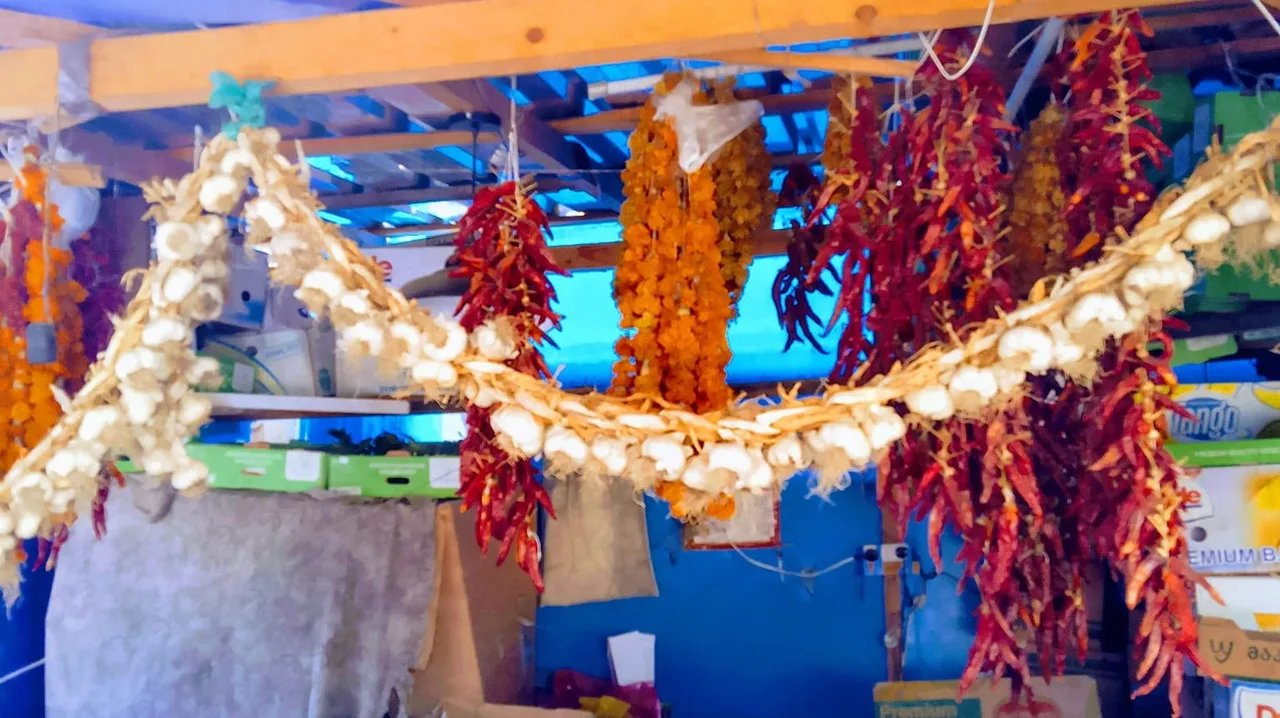
Georgia’s currency is the Georgian lari (currency code GEL, symbol ₾). One lari is 100 tetri; banknotes come in 5, 10, 20, 50, 100 and 200 lari, with 1 and 2 lari coins plus smaller tetri. The key thing for a traveller: you pay in lari almost everywhere - paying in dollars or euros isn’t accepted in most places, so changing money is your first step on arrival. Cards work better and better in the cities, but you’ll still need cash.
A little about the lari itself
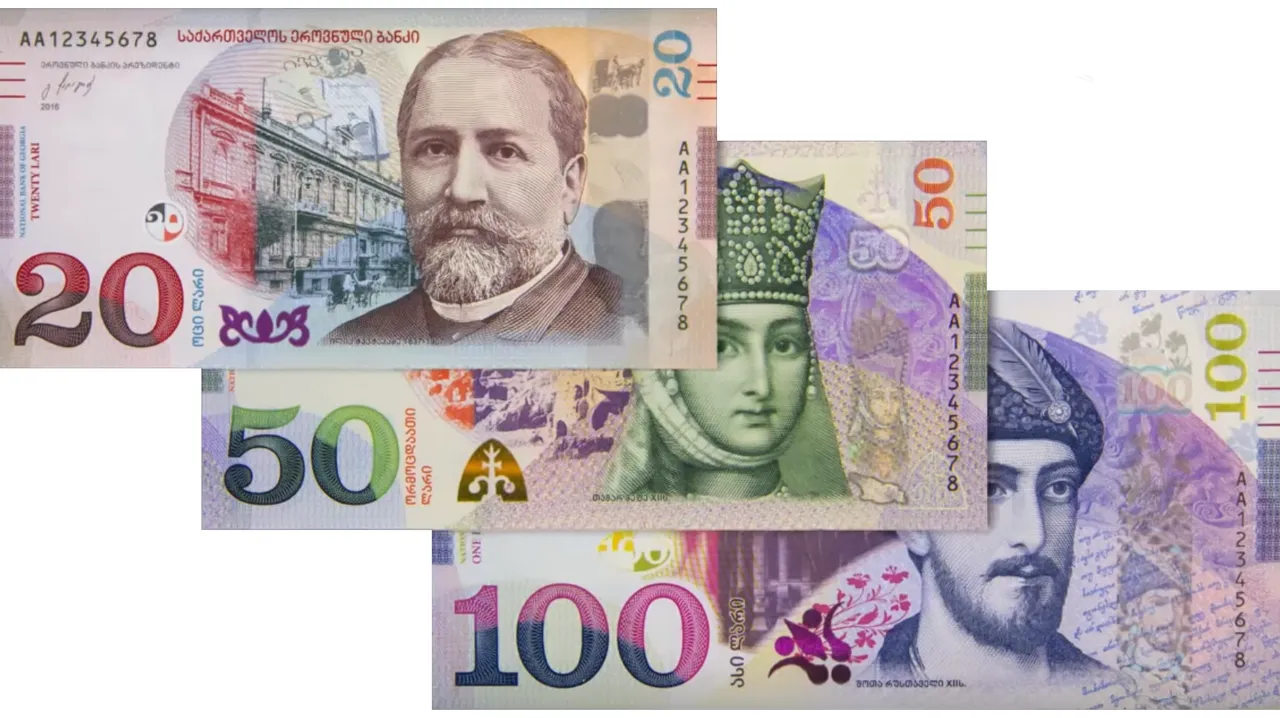
The lari is a young currency: it was introduced on 25 September 1995, replacing a temporary coupon at a rate of one lari for a million coupons. Its distinctive ₾ symbol appeared only in 2014 - it’s based on a letter of the Georgian mkhedruli alphabet. The small change is called tetri: one lari is 100 tetri, and in your wallet you’ll have 1 and 2 lari coins plus 50, 20 and 10 tetri. The notes carry Georgian cultural figures and landscapes - the 100-lari note, for instance, shows the poet Shota Rustaveli, while newer notes feature the work of the painter Niko Pirosmani. You don’t have to know any of this, but it makes the denominations easier to tell apart.
A note on the banknotes themselves. Two generations are in circulation - older notes from the early 2000s and the updated 2016-2017 series; both are accepted. Badly torn, scribbled-on or tape-repaired notes, however, may be refused at an exchange booth or shop, so glance over what you’re handed when you change money and don’t accept ragged bills.
What it’s worth
The rate floats: on 1 August 2026 the official National Bank rate was 2.63 ₾ to the US dollar and 3.02 ₾ to the euro (the figures move daily). We show the live lari rate against the dollar, euro and other currencies in the top bar of the site - on every page - and the source is the National Bank of Georgia (nbg.gov.ge). Before changing a large sum, it’s worth checking the official rate so you know how good an exchange booth’s rate really is.
Cash or card
In the big cities - Tbilisi, Batumi, Kutaisi - Visa and Mastercard are accepted almost everywhere: restaurants, cafes, supermarkets, hotels and shops, with contactless long the norm. Apple Pay and Google Pay work too, so your phone is often enough. But cash is still needed: at markets and bazaars, with small vendors, in taxis and marshrutka minibuses, in mountain villages and family guesthouses, cash is often the only option. There can be a threshold, too: for a very small purchase a card may be declined or you may be asked to top up, and a terminal in a small place sometimes “isn’t working” - and then cash saves the day. A good rule of thumb is to keep at least 100 ₾ in small notes on you, and double that out in the regions.
Where to exchange money at a good rate
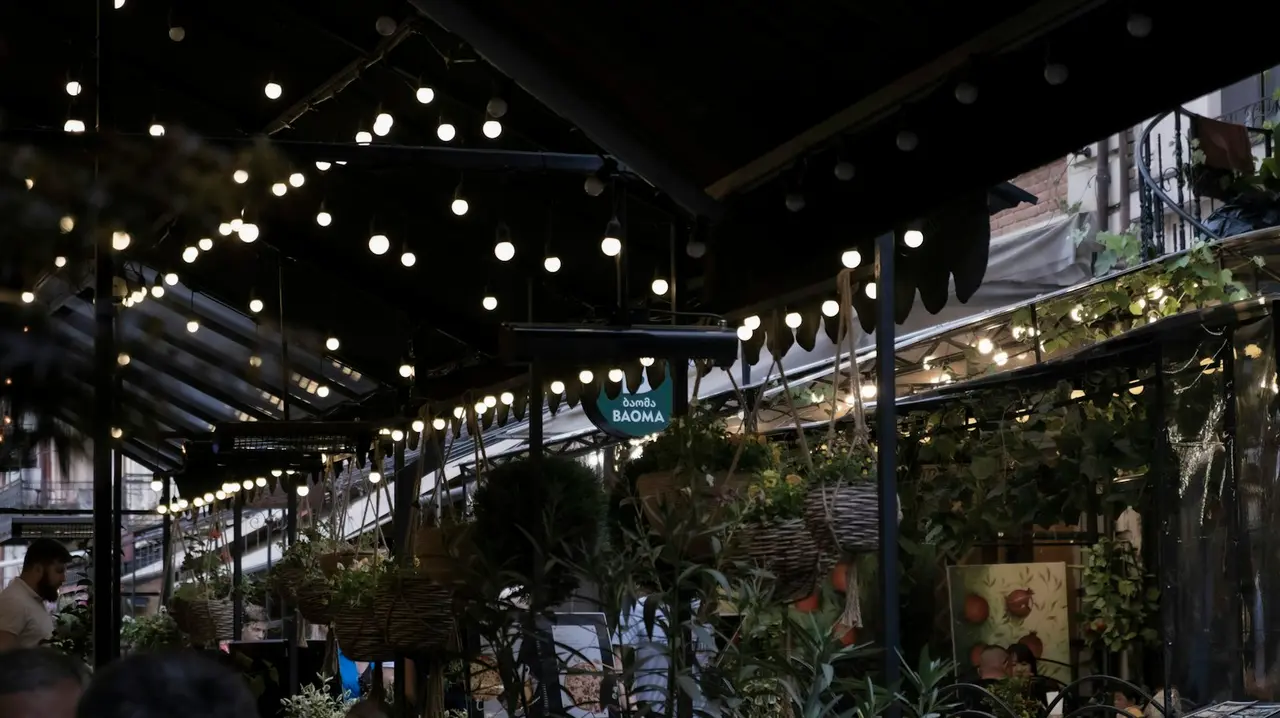
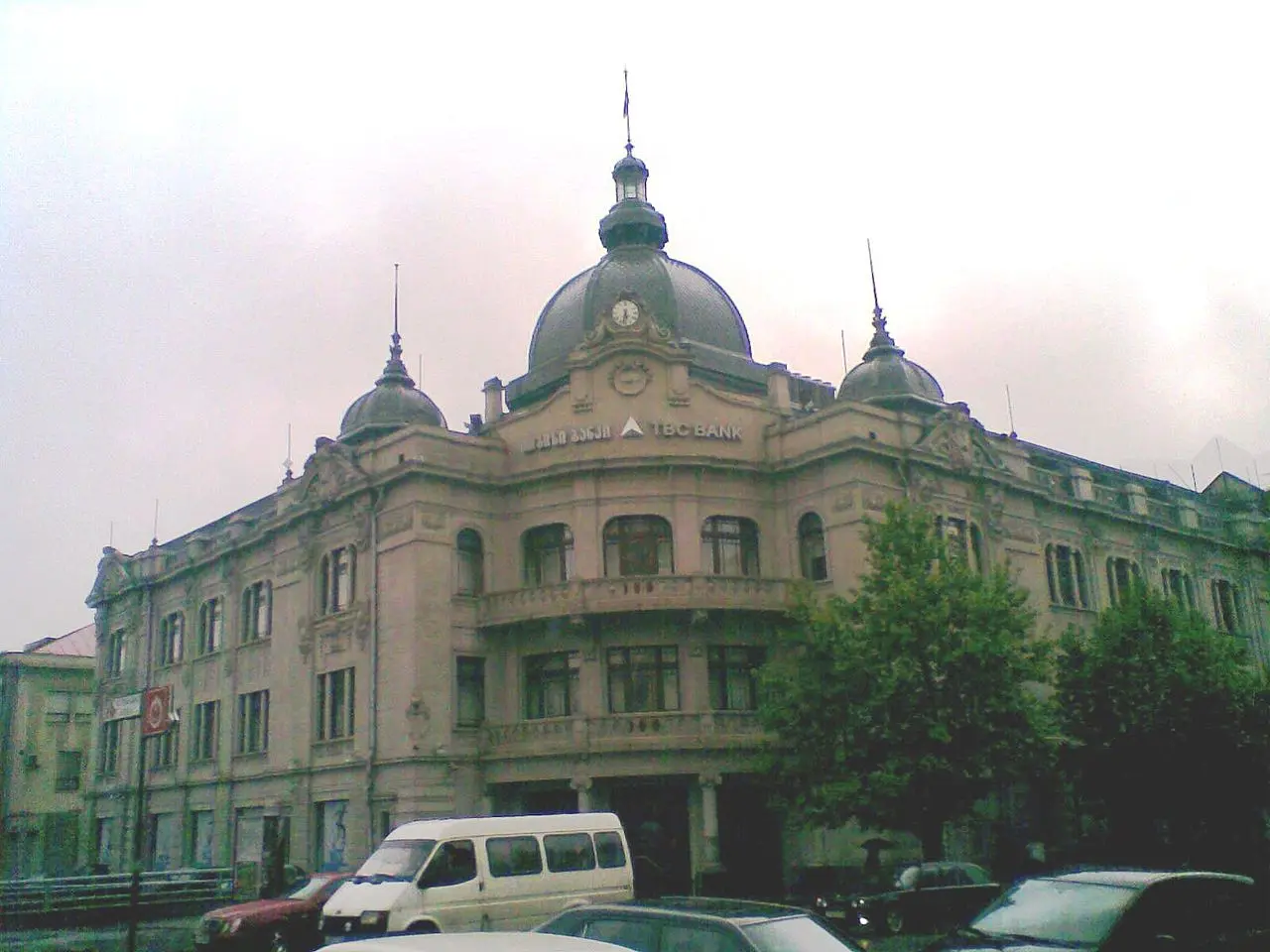
Change at exchange booths (look for “Valuta” / «გადაცვლა» signs) - they’re on almost every corner in the city centre; their spread is typically better than the banks’, and many charge no commission at all. The most expensive place to change money is not the airport, as people assume, but a big bank’s counter: on 1 August 2026 the booths were buying dollars at 2.623 ₾ while the TBC counter paid 2.574. US dollars and euros are accepted everywhere; other currencies are taken less widely and at poorer rates. Tip: compare the rate at two or three nearby booths and ask whether there’s any commission before you hand over your money. The full breakdown with figures is in our guide to changing money in Georgia.
A couple of common mistakes cost people money. First, a booth’s board often shows two columns - “buy” and “sell”; read the side that applies to your transaction, not the one that looks better. Second, “zero commission” is sometimes baked into the rate - which is exactly why it pays to compare a couple of booths side by side. Third, don’t change money “off the street” with people offering a great rate: legal booths are everywhere and there’s no reason to take the risk. And count what you’re given right at the window, before you walk away.
There’s also the question of simply paying in dollars or euros. In tourist spots a price is sometimes quoted in dollars, or dollars are accepted, but the rate is almost always poor and your change comes back in lari. So the working rule is simple: keep your spending in lari and change your currency ahead of time.
Which currency is best to bring for exchange? Dollars and euros are the go-to - accepted at any booth and at the best rate. Rates for other currencies aren’t offered everywhere and are usually worse, so if you plan to exchange, dollars or euros are the more predictable choice. Between cities there’s little difference: Tbilisi, Batumi and Kutaisi all have plenty of central booths whose rates differ by pennies, and the same chains post the same numbers in all three cities. Smaller towns have fewer booths, so it’s best to bring a stock of lari there from a larger city.
ATMs and withdrawing cash
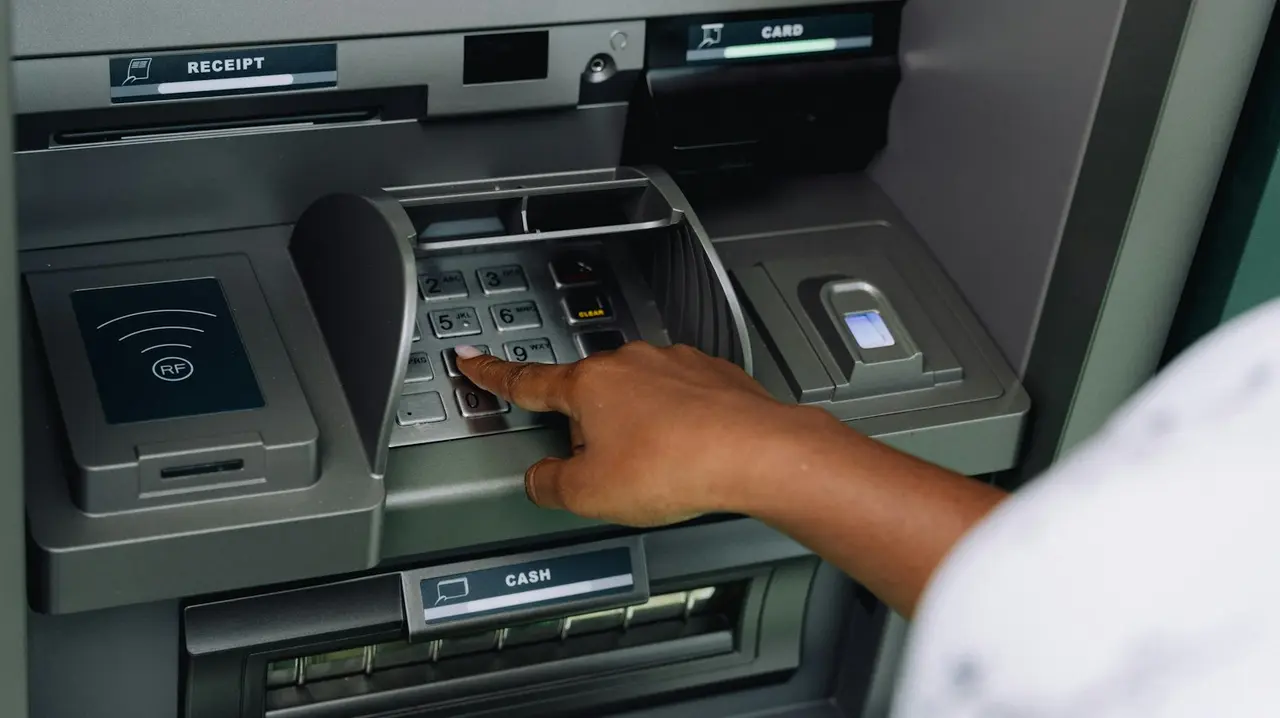
ATMs are plentiful and take Visa, Mastercard and Maestro (some take UnionPay). At the big two, TBC Bank and Bank of Georgia, the ATM’s own fee is usually 1-5 GEL per withdrawal, while Basisbank and Cartu more often charge nothing (your own bank may still add its own fee on top). The big money-saver is about DCC (dynamic currency conversion): if an ATM or terminal offers to charge you “in your home currency,” always choose to pay in lari (GEL) - the machine’s conversion rate is almost never in your favour. For which banks charge the least, withdrawal limits and how much to tip, see the full guide to changing money and ATMs.
Tipping
Tipping in Georgia isn’t a strict obligation: there’s no US-style tipping culture here, and no one will chase you down over a tip you didn’t leave. But wages in the service trade are low, so a small gesture is always welcome. Many cafes and restaurants already add a service charge (around 10%) to the bill - check it before leaving extra, and if you’re unsure, ask your server whether the charge is included. If there’s no charge and you enjoyed the meal, round up or leave about 10-15%, ideally in cash, so the tip reaches the server directly. In taxis a tip isn’t usually expected - just round up or add 1-2 ₾, especially if the driver helped with luggage. At a hotel it’s customary to leave a couple of lari for a porter or housekeeper, but that too is up to you.

How much cash to keep on hand
How much cash to carry depends on how you travel. If you’re in Tbilisi or Batumi living the “hotel - cafe - museums” routine, a small amount for taxis, the market and little purchases is enough - you’ll pay for almost everything else by card. Trips into the mountains and the regions are another matter: in Svaneti, Tusheti, mountain villages and out on the highway there’s often nowhere to take a card, ATMs are scarce, and the signal for a QR payment doesn’t always reach. For a trip like that it’s wise to take a stock of lari in cash in advance, budgeted for all your days, rather than counting on withdrawing money on the spot.
It also helps to keep small notes and coins handy: on a marshrutka, at the market or in a small shop there may be no change for a large note. A supermarket or a big cafe is a good place to break a 100-lari note. To follow the rate on the road, the top bar of our site is handy - it pulls National Bank data and updates automatically, so a separate converter app usually isn’t needed.
How much to bring, and the declaration rule
It’s handy to bring some cash dollars or euros for the first exchange, then withdraw lari from ATMs as you go. Large amounts of cash must be declared at customs: cash, cheques and securities worth more than 30,000 lari (or the equivalent) are declared on entry and on exit, with a document showing where the money comes from, and an undeclared sum can cost a fine of 3,000 lari or more, or the cash itself. Check the procedure on rs.ge (the Georgian Revenue Service) before you cross with a large sum. An ordinary tourist with a couple of hundred dollars for the first exchange has nothing to worry about.
In short
- Currency - the lari (₾, GEL); you pay in lari almost everywhere.
- Cards - work in the cities; cash - for markets, taxis, villages.
- Exchange - at booths, not at a bank counter; compare a couple of rates.
- ATMs - TBC and Bank of Georgia; when withdrawing, choose GEL, not your own currency.
- Tipping - check whether 10% is already on the bill.
Next in planning: decide when to visit, estimate how much a Georgia holiday costs for 3, 5 and 7 days, check whether you need a visa and insurance, and for a longer stay, a Georgian bank account comes in handy.
Read also

Before you go · 8 min read
Georgia in winter: weather, cities and ski season
Updated · September 3, 2026Winter in Georgia: Tbilisi averages 3.4 °C in January, days run nine hours, ski season from late December, sulphur baths and cheaper city rooms.

Before you go · 9 min read
Georgia vs Armenia: Where Should You Fly?
Updated · September 3, 2026Georgia or Armenia in 2026: visas, flights, Black Sea vs Sevan, published tariffs side by side, and when both countries beat picking one.

Before you go · 11 min read
Tbilisi or Batumi: Which One Should You Visit
Updated · September 11, 2026Tbilisi or Batumi: climate, rain, lodging and who each city suits. Batumi gets five times more rain than Tbilisi a year - it changes the choice.

Before you go · 12 min read
Rtveli 2026: when to harvest grapes in Georgia
Verified · August 17, 2026Kakheti's 2026 harvest peaked late September to mid-October. Where to base, which wineries named dates, and how to join without a ticketed festival.